Seasons
Kochi in the rain: what actually works on a wet day
Kerala's monsoon does not close Kochi, it changes it. The indoor rooms, covered streets and short walks that survive heavy rain, and the plans that fall apart.
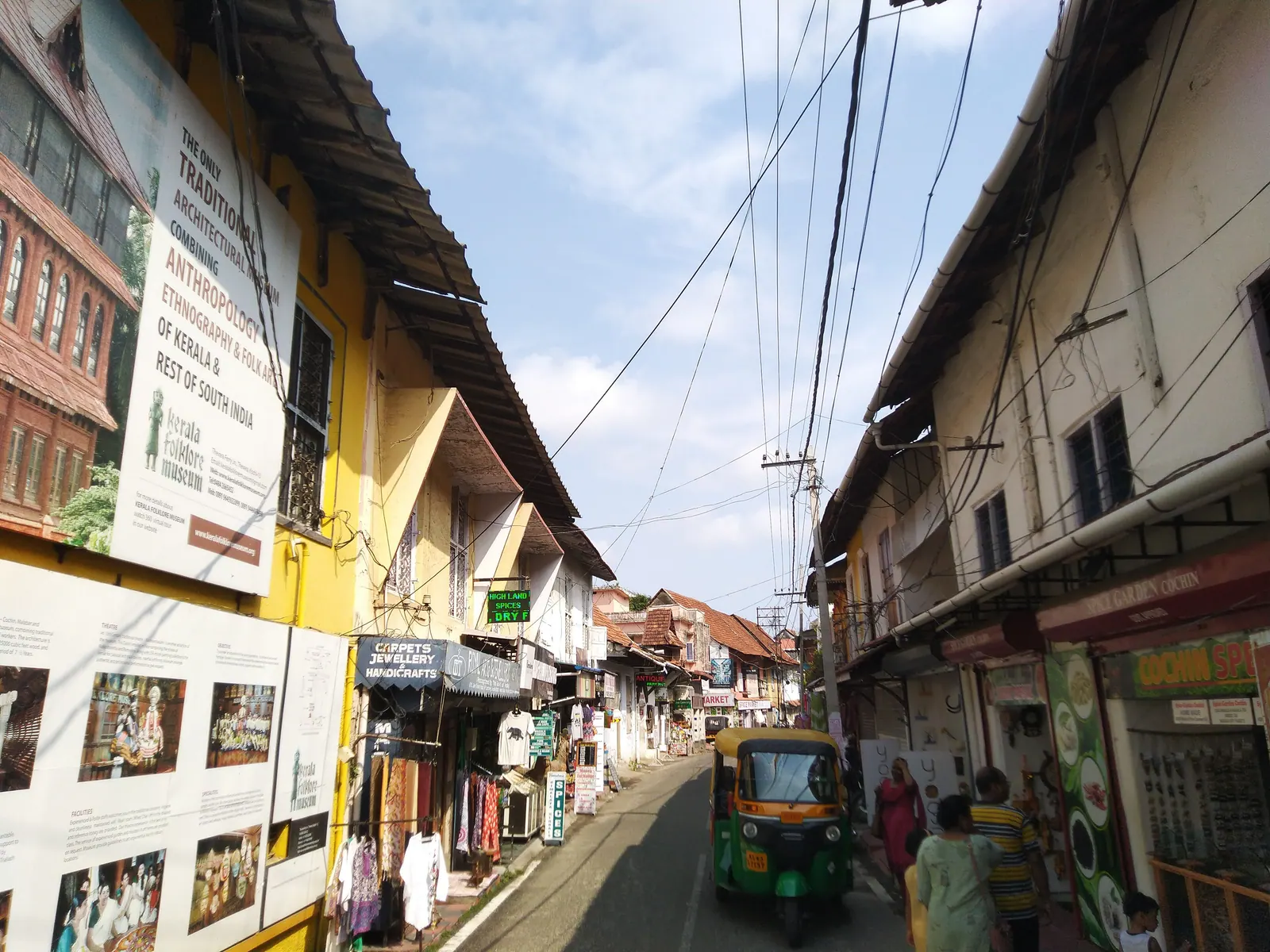
Photograph: Ranjithsiji / CC BY-SA 4.0, via Wikimedia Commons
Rain is the normal, not the exception
Kochi gets rain for a large part of the year: the southwest monsoon from June, a break, then the northeast monsoon from October into November, with thunderstorms in between. A visitor who writes off the wet months loses the emptiest, greenest and cheapest season in the city.
What changes is the shape of the day, not the possibility of one. Fort Kochi and Mattancherry are dense and walkable, with covered colonnades, shopfronts and interiors close together. The trick is to plan in short hops of ten or fifteen minutes rather than a single long walk.
Destination in this story
 HeritageFort KochiErnakulam
The rooms that reward a wet hour
Start with the collections. The Mattancherry Palace murals, the Paradesi synagogue, the Indo-Portuguese Museum and St Francis Church are all interior visits within a few minutes of each other, and all are better with fewer people in them, which is exactly what a rainy morning gives you.
The smaller museums and galleries are the other option. Kochi has a working contemporary art scene with commercial galleries and project spaces that keep normal hours through the monsoon, and the biennale, when it runs, fills warehouses that were built to be waterproof.
A café is not a defeat. The heritage-quarter cafés and the old tea shops are where the city waits out a downpour, and a long lunch with a book is a legitimate Kochi afternoon in July.
Walking without getting soaked
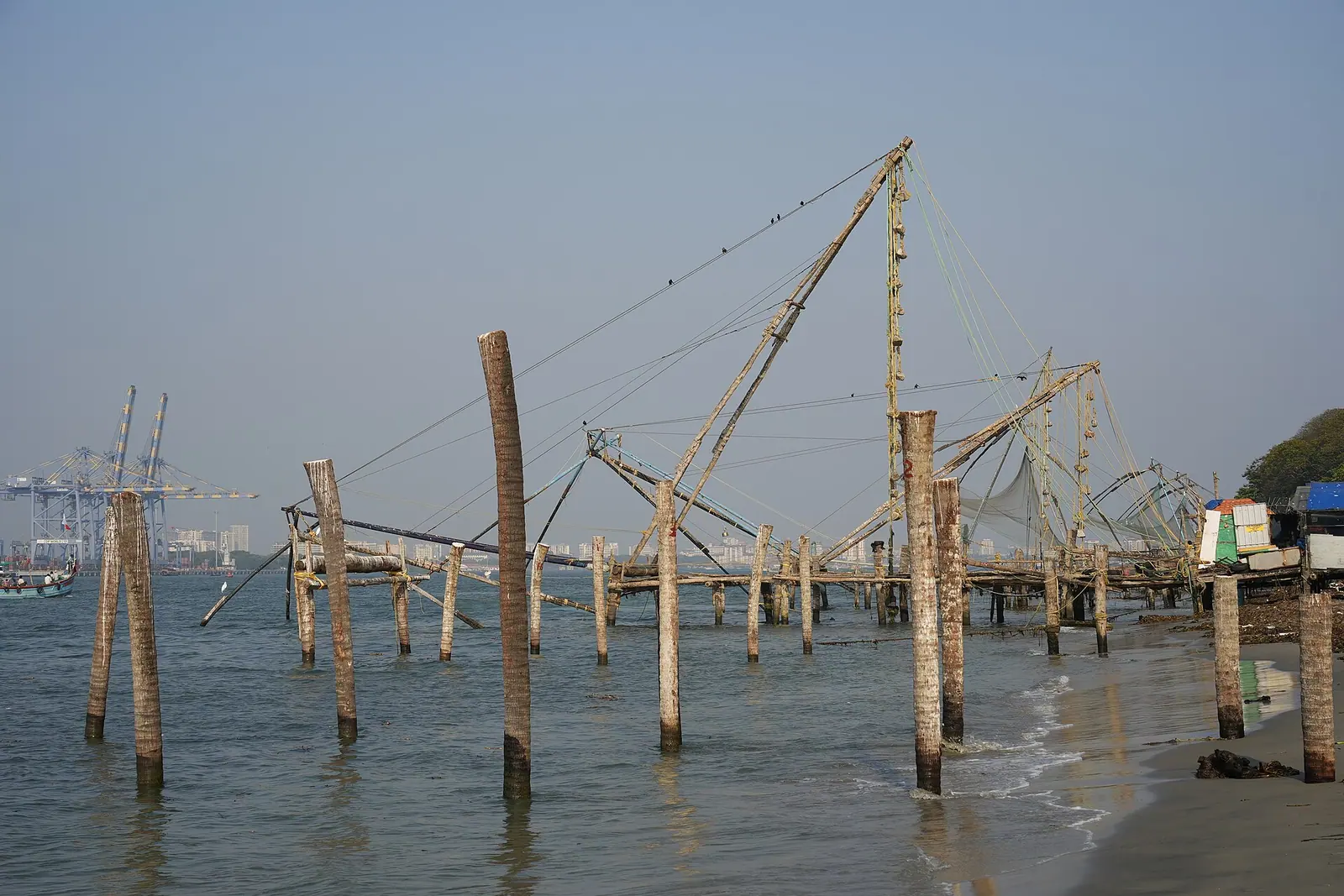
The usable technique in a tropical downpour is the short loop: pick a lane, walk it, and take shelter at the far end before turning back. Mattancherry's spice streets and Jew Town work this way, as does the Fort Kochi waterfront, where the walls and the net platforms give some cover.
Carry a light rain jacket rather than an umbrella if you are walking between boats, and sandals rather than shoes you care about. The water on the road is not clean, and the puddles hide drainage gaps.
Skip the beach plan. Cherai and the Vypin shore are unpleasant in heavy rain, the sea is rough, and there is nothing to shelter behind. The water Metro and the ferries still run, but crossings get bumpy and the views disappear.
What to expect from the season
The southwest monsoon is the heavier and longer of the two, with days of steady rain rather than a single storm. The northeast monsoon is shorter and more erratic — intense evening downpours with bright mornings either side, which is often the better travel window if you can pick.
Prices and crowds both drop, and the light is extraordinary when the rain stops: wet laterite, green everywhere, and a harbour that photographs well in flat grey. What you lose is the sunset and the beach.
Build in slack. A ferry that is cancelled, a road that floods for an hour, a flight delayed by weather: none of these are unusual, and none of them ruin a trip if the plan has room in it.
Getting there
The nearest airport and railhead: Cochin International Airport (COK), ~40 km · Ernakulam Junction (ERS), ~12 km plus ferry or road.
- By air: Cochin International Airport is about 40 km away, roughly 1–1.5 hours by taxi.
- By rail: Ernakulam Junction and Ernakulam Town are on the mainland; continue by ferry, taxi or metro.
- By road: Taxis and buses cross to Fort Kochi; the trip from Ernakulam takes 20–40 minutes depending on traffic.
Once there, Walking is best in Fort Kochi. Bicycles, autos and the Kochi Water Metro connect the mainland and nearby islands.
What to do while you are there
- Walk the waterfront at sunrise to see the Chinese fishing nets being worked
- Visit St Francis Church, Santa Cruz Basilica and the Dutch Cemetery
- Explore Mattancherry's spice lanes and the Paradesi Synagogue
- See contemporary art at the biennale venues or private galleries
- Take the ferry to Willingdon Island or the Water Metro to Vypin
- Eat Kerala seafood and Indo-Portuguese dishes in the old town
Eating
Fish moilee, prawn curry, appam and stew, beef ularthiyathu, and a strong cafe and bakery scene. Ask about the day's catch.
Local customs and manners
The old town is home to long-established communities and working warehouses. Dress modestly in churches and synagogues, and ask before photographing fishing crews.
Access, safety and health
Moderate. Main streets are flat but pavements are uneven; many heritage hotels lack lifts. Check access before booking. Watch for traffic on narrow lanes and keep bags secure in crowded market areas. The sea wall is unguarded in places.
Fees, hours and permits on record
Streets are free. Churches, the synagogue and museums may charge small entry fees; confirm current rates.
Outdoor sights are accessible all day. Churches, museums and the synagogue keep limited hours and close on some days.
Nearby, less obviously
- Mattancherry spice warehouses
- Thevara and Ernakulam market
Practical notes
- Plan in short hops with a shelter at each end rather than one long walk.
- Do the palace and synagogue on a wet morning, when the queues are gone.
- Take a light rain jacket; umbrellas are awkward on ferries and in narrow lanes.
- Wear sandals you do not mind soaking; the roadside water is not clean.
- Drop the beach plan in heavy rain and keep the harbour-side instead.
- Leave slack in the day for a flooded road or a cancelled crossing.
Common questions
- Is Kochi worth visiting in the monsoon? Yes, if you want interiors, food and empty streets rather than beaches. The heritage quarter works well in rain; the coast does not.
- Which monsoon is worse? The southwest monsoon from June is longer and wetter. The northeast monsoon from October brings shorter, heavier downpours with brighter gaps.
- Do ferries stop in the rain? They can be suspended in heavy weather. Crossings resume when conditions allow, so ask at the terminal rather than assuming a timetable.
- How do I get from Kochi airport to Fort Kochi? Take a pre-paid taxi or app cab, or go to Aluva metro and continue to Ernakulam, then ferry or taxi. A direct taxi is simplest with luggage.
- Is Fort Kochi walkable? Yes, the historic core is compact and best explored on foot or by bicycle. Use autos for Mattancherry if it is hot.
Plan this trip
Planning a trip to Fort Kochi, Ernakulam?
Nearby places around Fort Kochi with real road distances, listed stays, and a route you build yourself.
PLAN TRIP HERE CONTACT US TO ARRANGE THIS TRIPA trip-arrangement request, not a booking. Nothing is confirmed or charged here.
The full place guideFort KochiErnakulam · how to get there, when to go, what it costsSources & notes
- Kerala Tourism — official state tourism portal · checked 2026-10-22
- Wikipedia — place and history reference · checked 2026-10-22
- Kerala Tourism — Ernakulam district · checked 2026-10-22
Last updated 2 November 2026. Prices, opening hours and transport should be confirmed with official sources before travel.
Hello Kerala Publisher
Hello Kerala's editorial desk.
Found an error or an outdated detail?
Tell us