Culture
Kochi's art district between biennales
The Kochi-Muziris Biennale turned a set of old warehouses into one of Asia's most interesting art venues. Between editions, the district keeps working — if you know where to look.
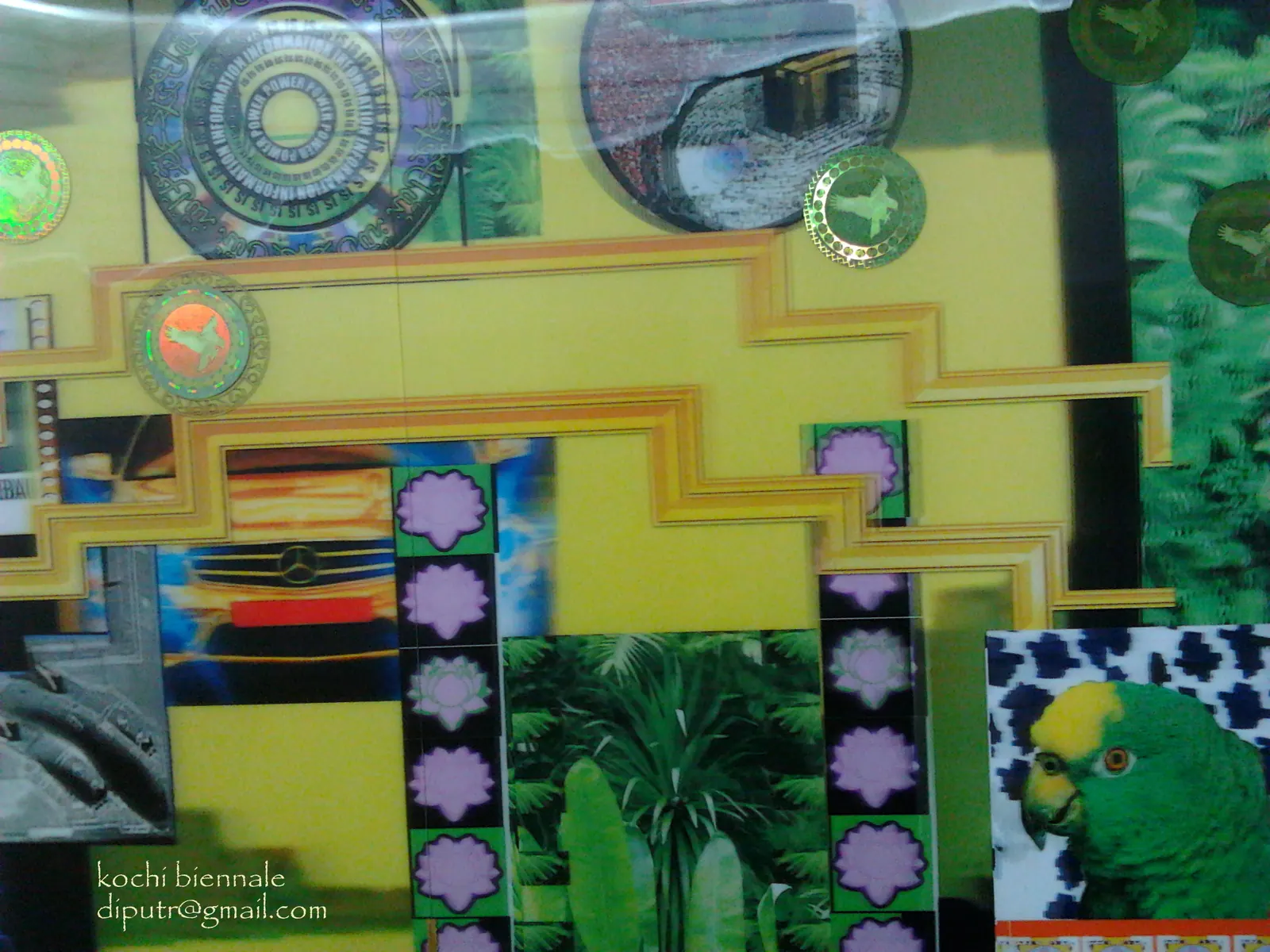
The Kochi-Muziris Biennale began in 2012, founded by artists Riyas Komu and Bose Krishnamachari, and it did something unusual: it put contemporary art in a port town best known for colonial heritage and fishing nets, and it used the town's own warehouses and godowns as the venue. The result was a biennale with a distinct sense of place rather than a white cube dropped into a city.
Editions are periodic and the programme changes, so it is not something you can reliably plan a trip around without checking dates. What remains between editions is a small but persistent art ecology: galleries, project spaces, residencies and a handful of venues that stay open year-round. If you arrive in an off year, you can still see good work; you just have to look for it.
The venues
The biennale's main sites are in Fort Kochi and Mattancherry: Aspinwall House, a former trading warehouse on the waterfront; Pepper House, a restored spice warehouse with a courtyard; Cabral Yard; and a shifting set of smaller venues in the lanes around them. The buildings are part of the experience — laterite walls, timber beams, sea air — and the best installations respond to them rather than ignoring them.
Between editions, Pepper House and a few nearby spaces continue to host exhibitions, talks and residencies. Kashi Art Gallery and David Hall are long-standing Fort Kochi venues with changing programmes. The Durbar Hall Art Gallery in Ernakulam is the city's main public gallery and shows a broad mix of local and national work. Check each venue's current programme before making a trip.
How to see it well
Contemporary art in a heritage warehouse can be demanding: video works in dark rooms, sound pieces, installations that require you to slow down. Give yourself a half day for two or three venues rather than trying to cover everything. Read the wall text, but do not feel obliged to understand every piece; the experience is allowed to be uneven.
- Do not touch the work or lean on plinths, even when a piece looks robust.
- Ask before photographing people, and check whether photography is allowed at all.
- Keep voices low in video and sound rooms; other visitors are listening.
- A day pass or combined ticket may be available during the biennale; check at the main venue.
- The venues are spread across two neighbourhoods; wear comfortable shoes and plan for heat.
The art is not the whole story
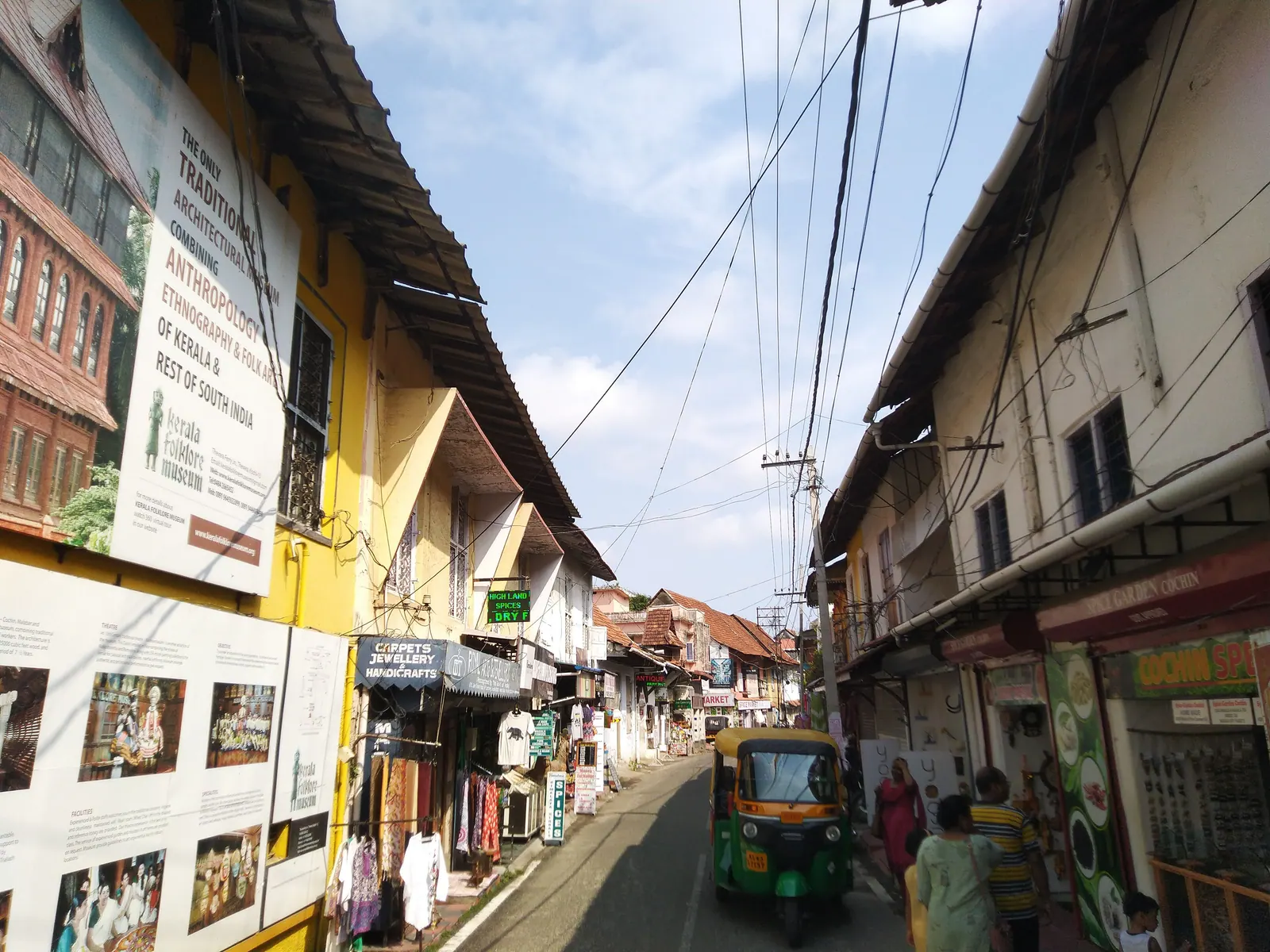
Fort Kochi and Mattancherry are themselves part of the exhibition: the fishing nets, the spice warehouses, the colonial churches and the layered street life. A good day combines a venue or two with a walk along Bazaar Road and a meal in a local restaurant. The contrast between the art and the working port is the point, not a distraction.
If you are visiting during the biennale, expect crowds, higher room rates and a lively programme of talks and performances. If you are visiting outside it, expect a quieter experience and fewer openings; a phone call or a look at social media before you go will save you a closed door.
Sources & notes
- Kerala Tourism — official state tourism portal · checked 2026-10-22
- Wikipedia — place and history reference · checked 2026-10-22
Last updated 24 October 2026. Prices, opening hours and transport should be confirmed with official sources before travel.
Hello Kerala Publisher
Hello Kerala's editorial desk.
Found an error or an outdated detail?
Tell us