Wildlife
Parambikulam: the tiger reserve next to Silent Valley
Parambikulam is a tiger reserve of grassland, teak and reservoirs in eastern Palakkad, contiguous with Tamil Nadu's Anamalai hills. What a visit involves.
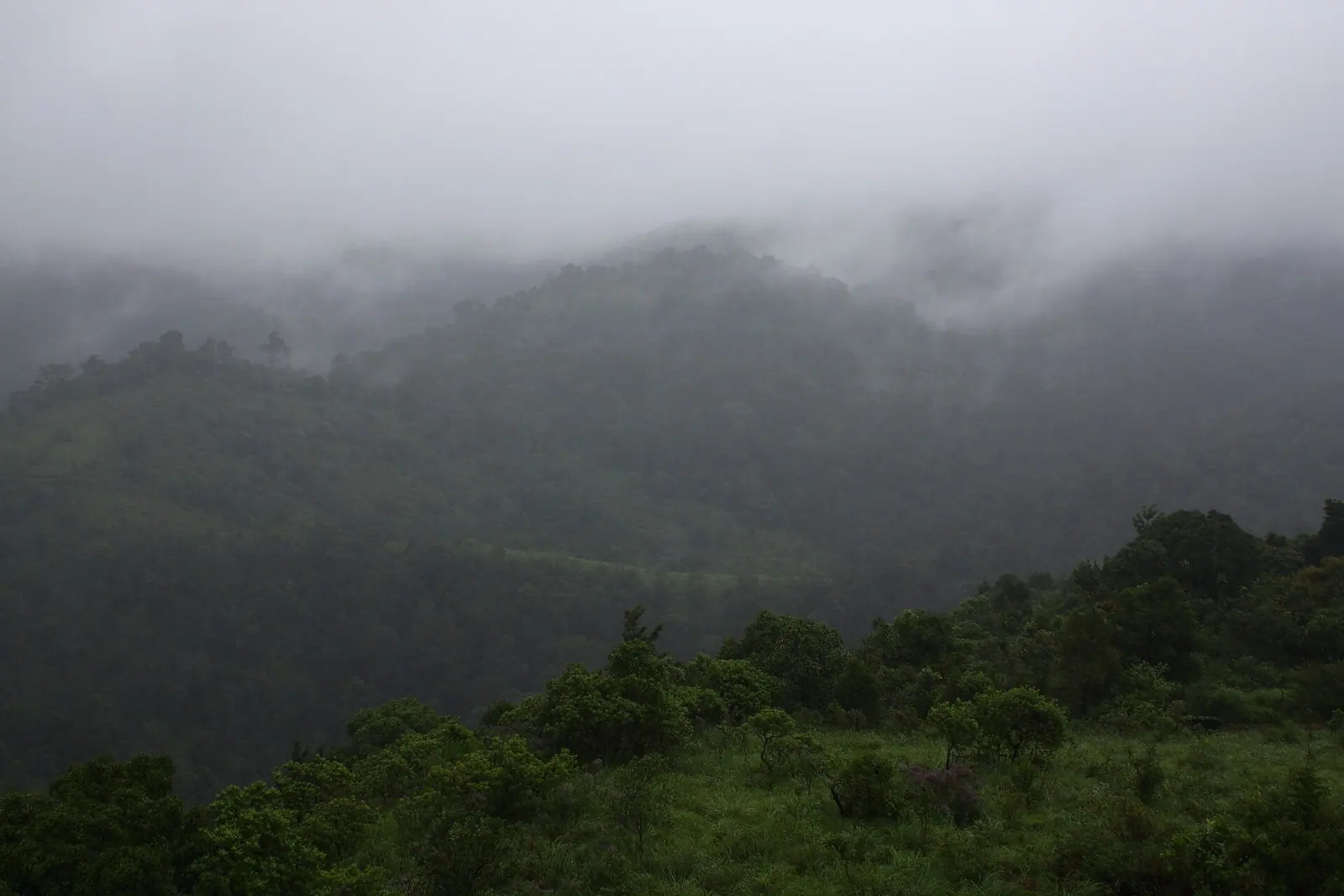
Photograph: Ferozkal / CC BY 3.0, via Wikimedia Commons
A reserve that straddles a state border
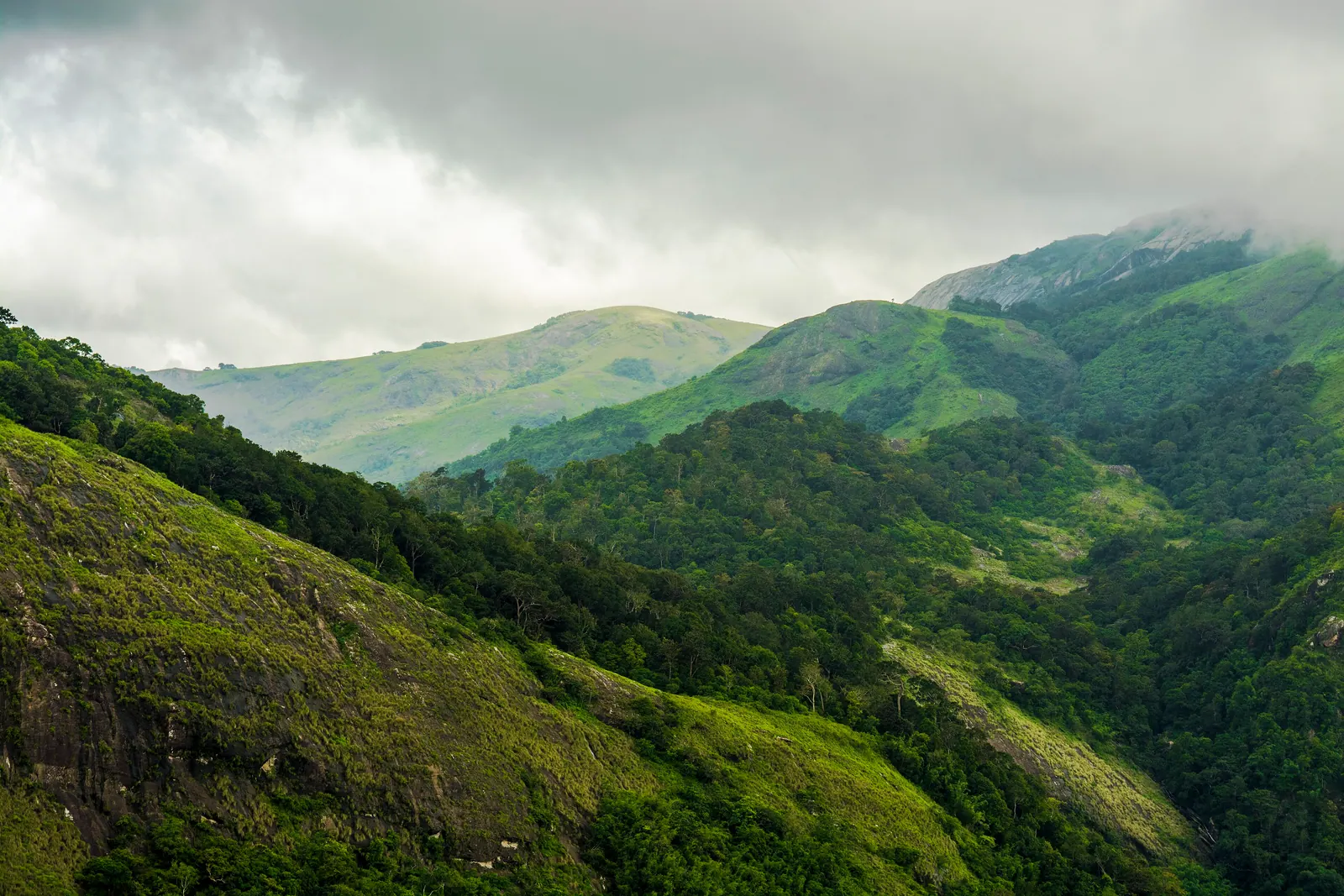
Parambikulam sits in the far east of Palakkad district, where Kerala narrows to a ridge of hills and the Western Ghats continue into Tamil Nadu without a pause. The reserve is contiguous with the Anamalai Tiger Reserve on the other side of the state line, which means the animals it protects do not recognise the border and neither does the ecology.
That border is the first practical thing to understand about a visit. Parambikulam is not a park you drive into and out of on a whim; it is a protected area administered by the Kerala forest department, sitting inside a larger landscape that is managed jointly for conservation rather than for tourism receipts.
Grassland, teak and a chain of reservoirs
The landscape is not the dark rainforest that people imagine when they hear Western Ghats. Parambikulam is a mosaic: open grassland on the valley floors, evergreen and semi-evergreen patches on the slopes, and areas of teak that were planted and then left to grow into something close to forest.
Water defines the reserve. A chain of reservoirs fills the valleys, created by dams on the rivers that drain these hills, and their shorelines are where a great deal of the wildlife is seen. The reserve also protects a teak tree it treats as a landmark in its own right — a reminder that this forest has been worked, and then allowed to return.
What lives in the reserve
Parambikulam is part of one of the most important elephant landscapes in southern India, and herds move through it between Kerala and Tamil Nadu. Gaur, sambar, spotted deer, wild boar and the usual cast of hill wildlife are present, along with a long bird list that includes hornbills and a great many species that prefer the canopy to the ground.
Tigers are here too. That sentence needs a qualifier, because it is the one most visitors build a trip around: a tiger reserve is a place where tigers live, not a place where tigers are produced on request. The forest is thick, the animals are shy, and a sighting is a piece of luck rather than a deliverable.
How a visit is arranged
Access is by permission, in groups, with routes and hours set by the forest department rather than by the visitor. Some parts of the reserve are seen on foot with a guide, some by vehicle on forest roads, and some from the water. The arrangements change with the season and with the condition of the roads, so the only sensible approach is to book through the official channel well ahead and to treat the itinerary you are given as final.
The reserve is also small in accommodation terms. Staying inside or at its edge is limited, and most visitors come in for a day from Palakkad or from the Tamil Nadu side. That limit is deliberate: it is what keeps the place quiet enough to be worth visiting.
Why it is not a zoo
The single most useful thing to adjust before arriving is expectation. Parambikulam is managed for conservation first, and tourism is a secondary activity that pays for some of the protection. Nobody there is under any obligation to put an animal in front of you, and the guides who know the forest best are usually the least willing to promise one.
What the reserve does offer reliably is the thing that makes the Ghats worth protecting: silence, scale, and the sense of a landscape that is not arranged around you. A slow morning on a forest road, with the mist lifting off a reservoir and no other vehicle in sight, is the actual product.
The approach through Attappady
Most approaches from the Kerala side run through Mannarkkad and then across the Attappady plateau, which is a story in itself: a high, dry, sparsely settled country of millet fields and hill slopes, quite unlike the wet lowlands an hour behind you. The drive is part of the trip, and it is worth leaving time for rather than treating as transport.
The last stretch is slow. Roads narrow, the forest closes in, and the check post does not care that you were on time when you left. Build slack into the day, carry water, and do not plan a long drive back after dark on hill roads you do not know.
The district in brief
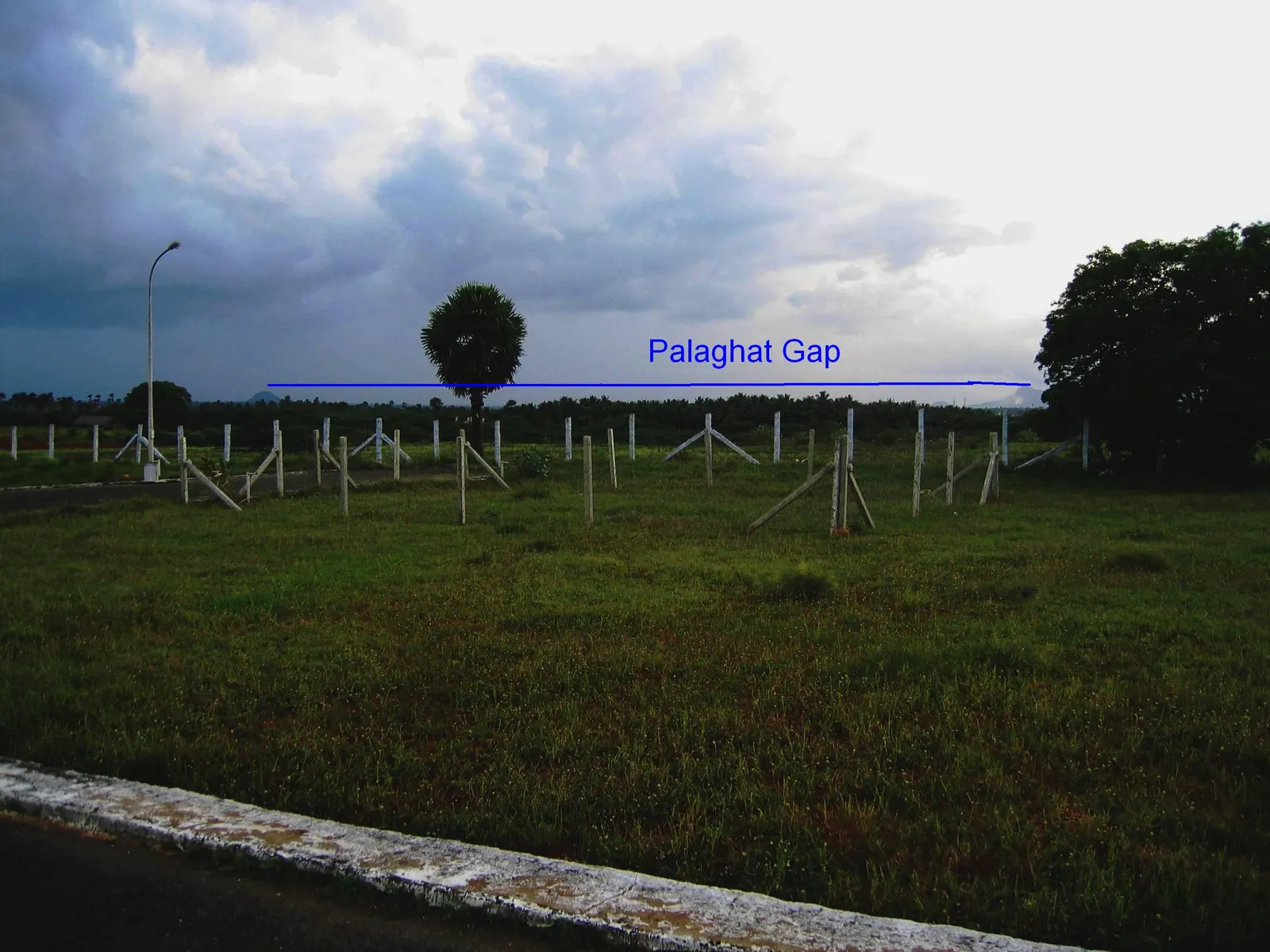
The Palakkad Gap is the great natural doorway between Kerala and Tamil Nadu, and the district around it is drier, wider and more agricultural than the coast. Its fort, reservoirs and the raw forest of Silent Valley sit within a day of each other.
Elsewhere in Palakkad
Palakkad Fort. An 18th-century stone fort with moat and ramparts, at the centre of the Palakkad Gap.
Destination in this story
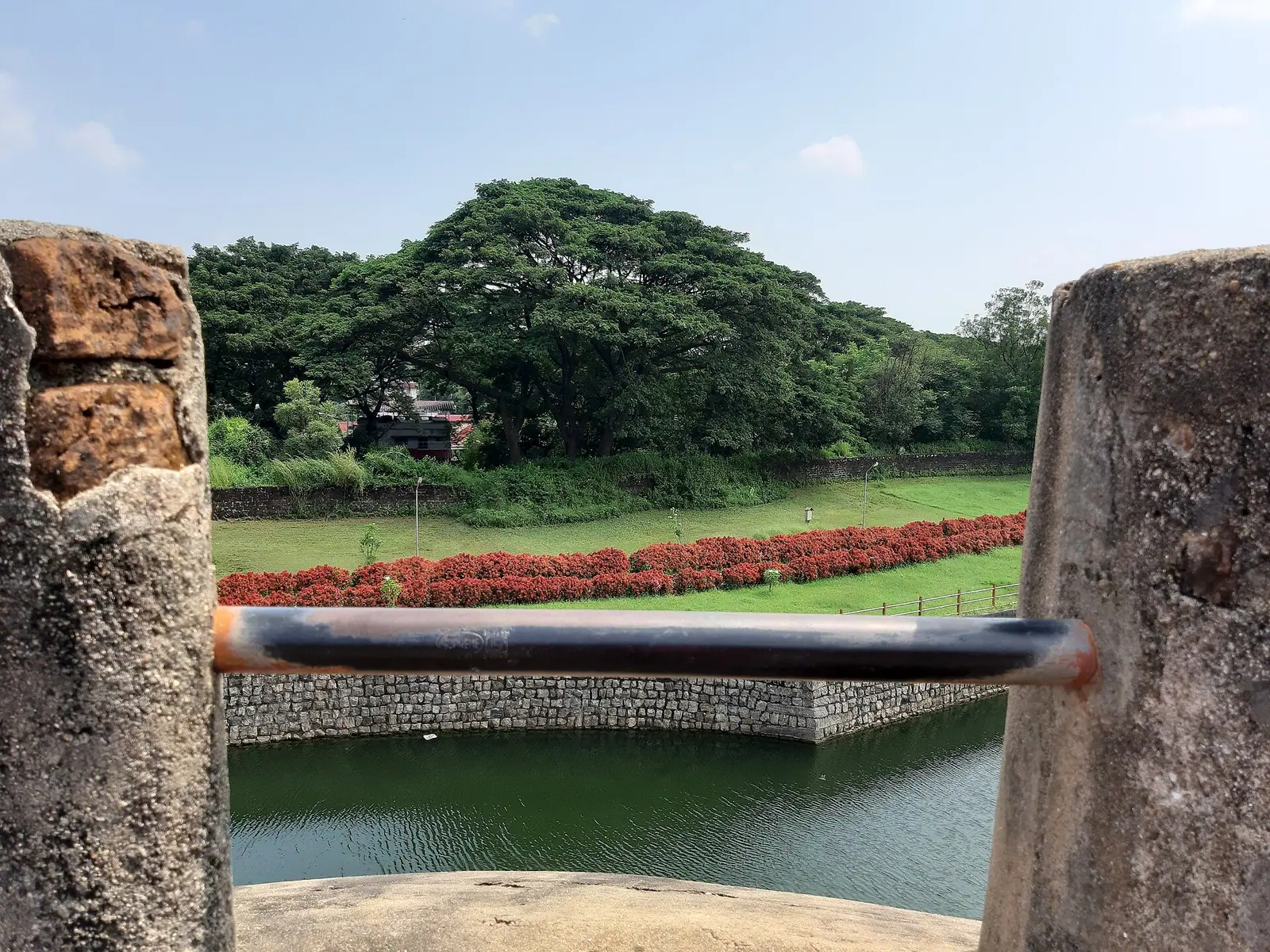 HeritagePalakkad FortPalakkad
Silent Valley National Park. A remote, protected rainforest in the Nilgiri Biosphere, visited only by permit and on foot.
Destination in this story
WildlifeSilent Valley National ParkPalakkadMalampuzha Dam and Gardens. A reservoir and terraced garden at the foot of the Western Ghats, popular with families.
Destination in this story
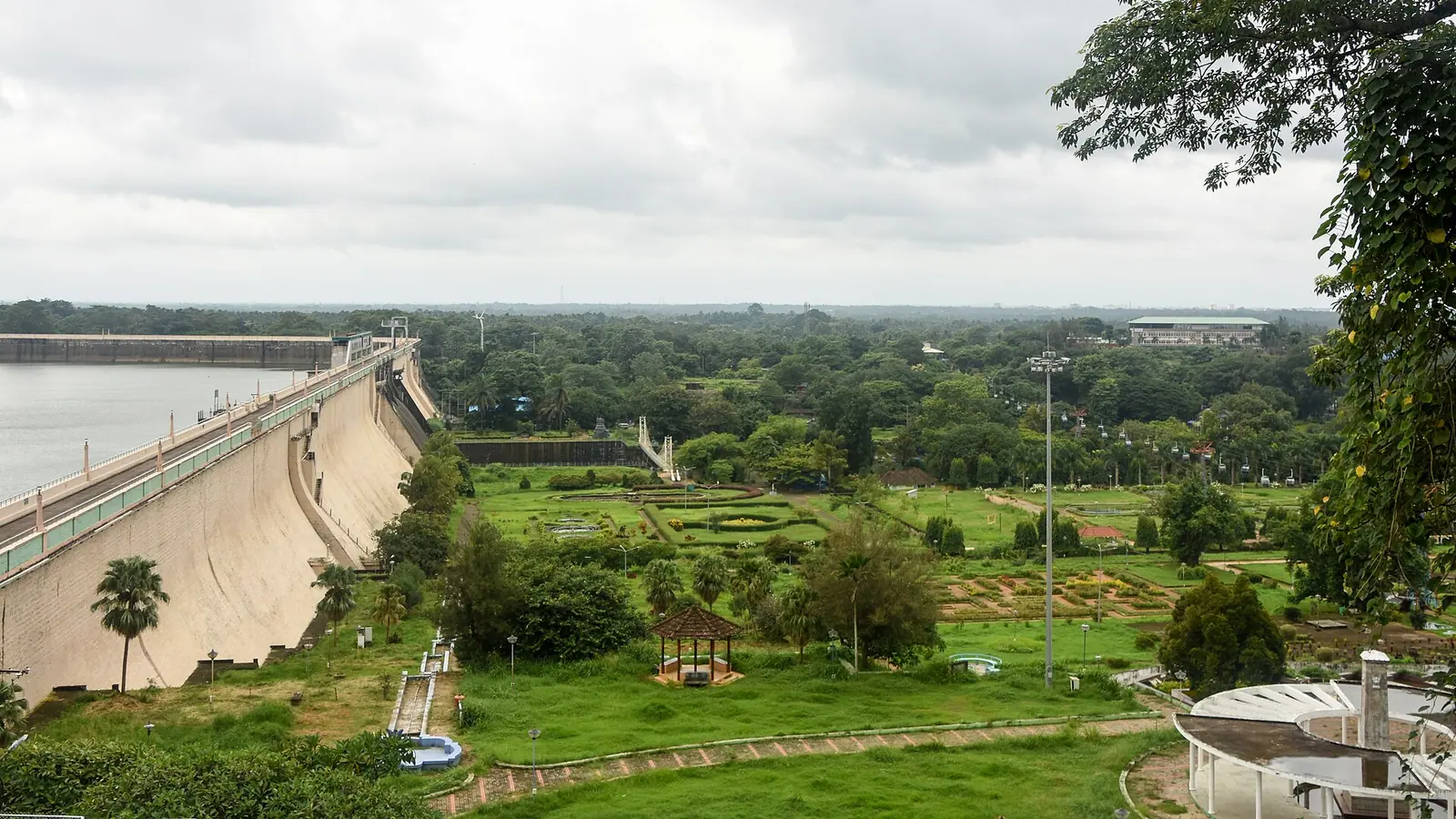 ViewpointMalampuzha Dam and GardensPalakkad
Practical notes
- Book through the official forest department channel, not a reseller promising guaranteed sightings.
- Carry warm layers; the reservoirs and valleys are cool at dawn even when Palakkad is hot.
- Binoculars change the visit more than any other piece of kit.
- Keep voices low and stay with the guide; the reserve is a working protected area.
- Allow slack in the schedule for the check post and the last slow kilometres.
Common questions
- Do I need permission to enter Parambikulam? Yes. Access is controlled by the forest department and arranged in advance, in groups, with routes set for the day.
- Will I see a tiger? Probably not. Tigers live in the reserve, but the forest is dense and the animals avoid people. Treat a sighting as luck.
- Is Parambikulam the same as Silent Valley? No. They are neighbouring protected areas in the same Ghats landscape, but separate reserves with separate access arrangements.
- When is the best time to visit? The drier months from late November to February are easiest for roads and visibility. The monsoon closes or restricts access.
Plan this trip
Planning a trip to Parambikulam, Palakkad?
There is no mapped record for Parambikulam yet, so no route is drawn. The planner opens with Parambikulam named, and a person can check what is actually there.
PLAN TRIP HERE CONTACT US TO ARRANGE THIS TRIPA trip-arrangement request, not a booking. Nothing is confirmed or charged here.
Sources & notes
- Kerala Forest Department — protected areas, permits and ecotourism · checked 2026-10-22
- Kerala Tourism — official state tourism portal · checked 2026-10-22
- Wikipedia — place and history reference · checked 2026-10-22
- Kerala Tourism — Palakkad district · checked 2026-10-22
Last updated 30 October 2026. Prices, opening hours and transport should be confirmed with official sources before travel.
Hello Kerala Publisher
Hello Kerala's editorial desk.
Found an error or an outdated detail?
Tell us