Hidden gems
Kollengode and the Valluvanad country: Palakkad's green western edge
At the foot of the Nelliampathy hills, Kollengode and the old Valluvanad belt are paddy, palmyra, a spectacular temple festival and a road that climbs into the Ghats.
Photograph: Shagil Kannur / CC BY-SA 4.0, via Wikimedia Commons
The town at the foot of the climb
Kollengode sits where the Palakkad plain begins to buckle into the hills, on the road that eventually climbs to Nelliampathy. It is a small town with an outsized history: an old palace, a market that still serves the farms around it, and a main street that has not been rebuilt around tourism because tourism has not arrived.
Most visitors pass through on the way up the hill and never stop. That is a mistake, because the belt around Kollengode is the most attractive ordinary landscape in the district: paddy on the flat, areca and coconut on the slopes, palmyra on the dry ground, and the Ghats closing the view to the south and east.
Valluvanad
This part of Palakkad belonged to the old region of Valluvanad, one of the small kingdoms that made up pre-modern Kerala. Its shape is easier to feel than to map: a belt of paddy and temple land running west from Palakkad, with its own festivals, its own families and its own version of the local calendar.
The old order left little in the way of monuments. What it left is a pattern of settlement — the temple at the centre, the agraharam or the market street beside it, the paddy around both — that you can still read from the road. That pattern is the reason the belt feels different from the eastern part of the district, where the Tamil country begins.
Nemmara and the Vela
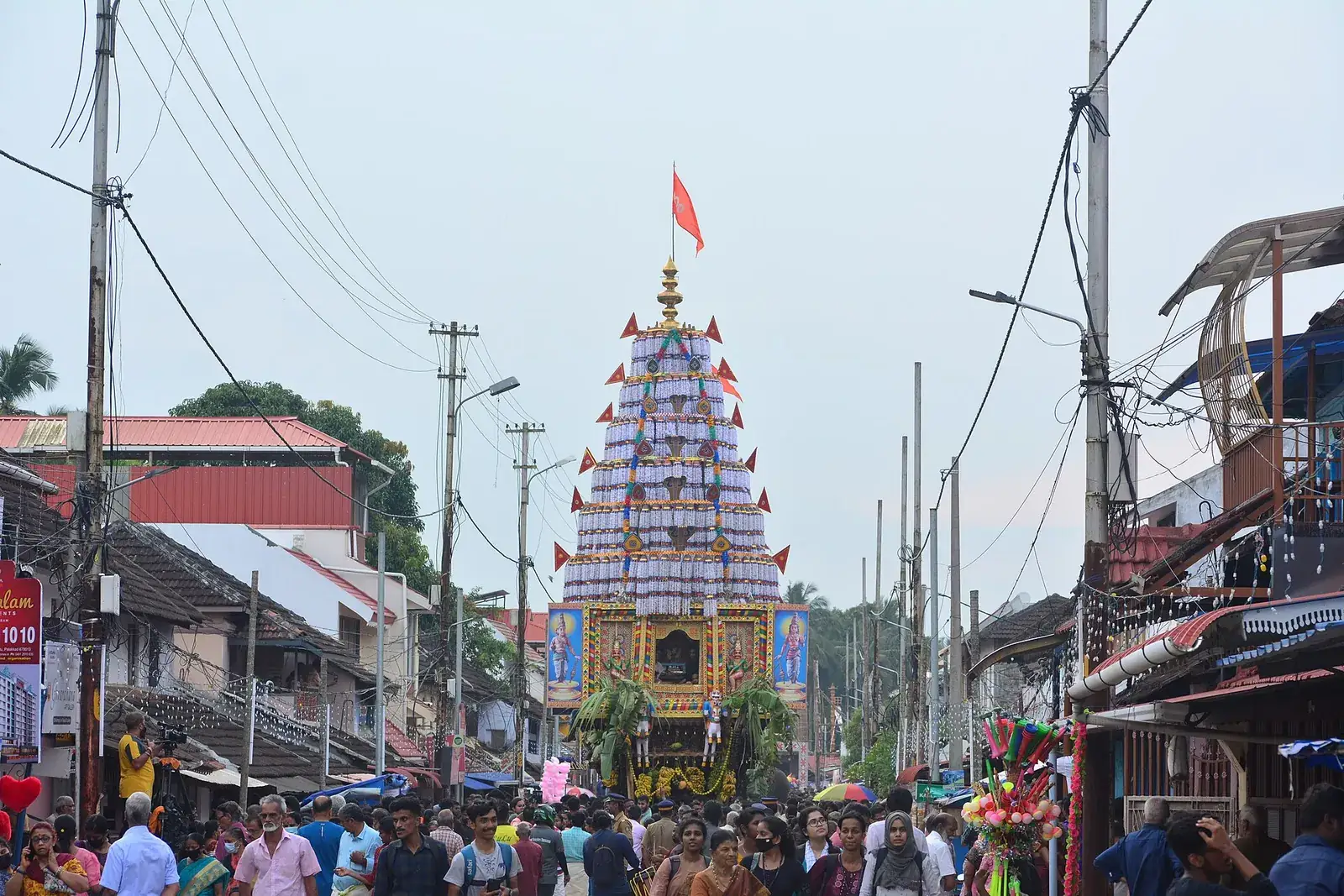
The festival most associated with this country is the Nemmara–Vallangi Vela, held at Nemmara on the road south towards Nelliampathy. It is a temple festival of the pooram type, with caparisoned elephants, drums and a crowd that fills the town, and it is one of the biggest events in Palakkad district.
It is a local event rather than a tourist one, which is exactly why it is worth attending properly: as a guest, at the edge, without pushing in or blocking a procession. The dates follow the ritual calendar and shift from year to year, so confirm them locally before planning a trip around one.
The Vela is also a reminder of how much of this district's public life happens in temple grounds rather than in advertised attractions. If you are in Palakkad in the season and hear drums, follow the sound rather than a listing.
Paddy, palmyra and areca
This is working farmland, and the crops tell you what the land can do. Paddy on the flats, coconut and areca on the rises, palmyra where it is drier, bananas and vegetables on the field edges, and cattle on the stubble. The palmyra is worth noticing: it is a tree of the dry belt, used for toddy, for jaggery and for its timber, and it is far less common on the wet coast.
The farms are small and mostly family-run, and the pressures are the same as elsewhere in Kerala: labour, price, water and the temptation to sell a field. A visitor who buys from a roadside stall or eats in a local tea shop is contributing more directly than one who photographs a field and drives on.
The climb to Nelliampathy
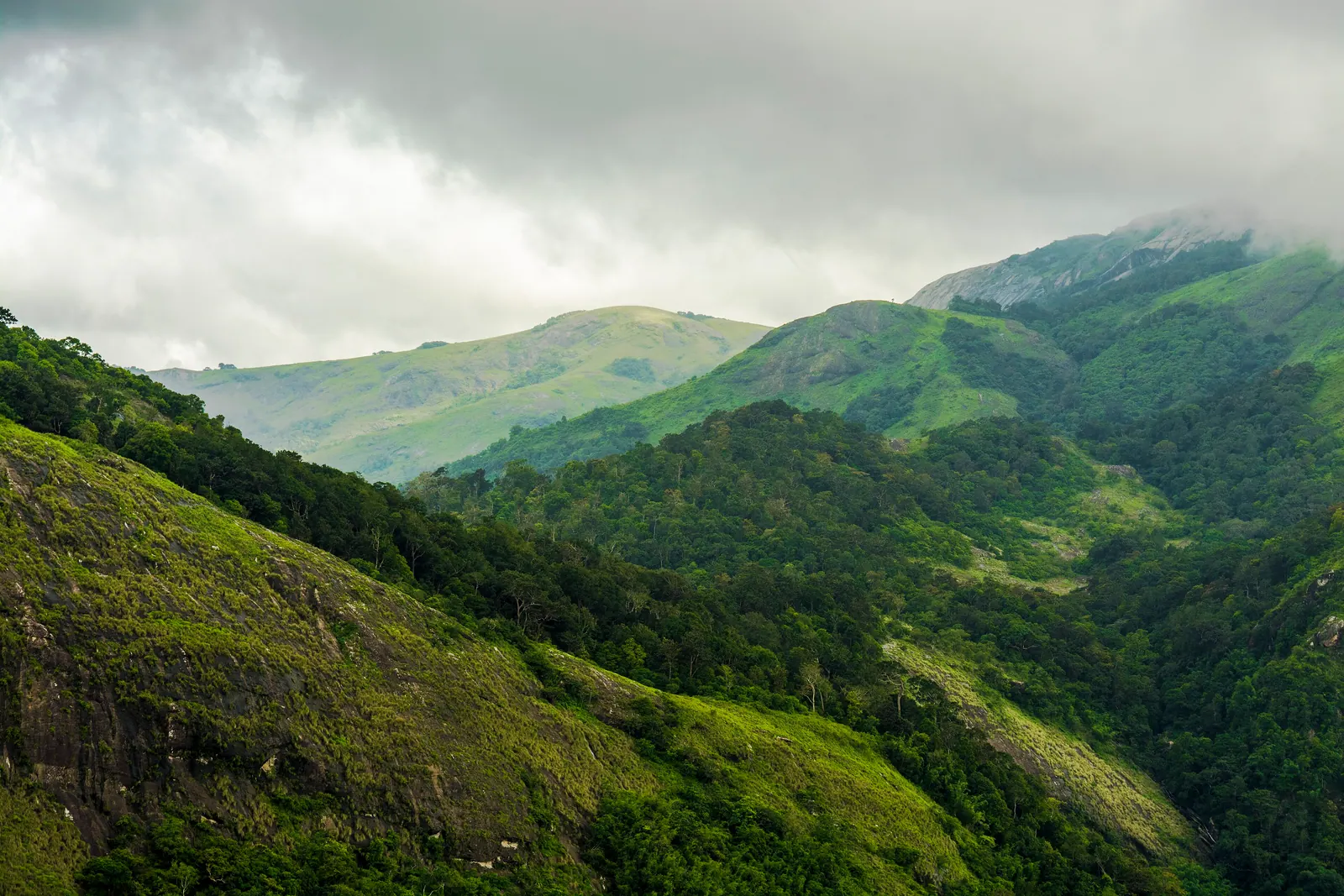
From Kollengode the road runs south through Nemmara and then begins to climb, up a series of hairpins into the Nelliampathy hills. The climb is the attraction: the plain falls away, the tea and coffee begin, and the air changes within a few kilometres.
The road is narrow, steep in places and used by local traffic, so it is not a road for a hurry. Mist, rain and the occasional landslide close it in the monsoon, and the upper stretches can be slow even in good weather. Go early, drive carefully, and do not attempt the descent after dark.
The district in brief
The Palakkad Gap is the great natural doorway between Kerala and Tamil Nadu, and the district around it is drier, wider and more agricultural than the coast. Its fort, reservoirs and the raw forest of Silent Valley sit within a day of each other.
Elsewhere in Palakkad
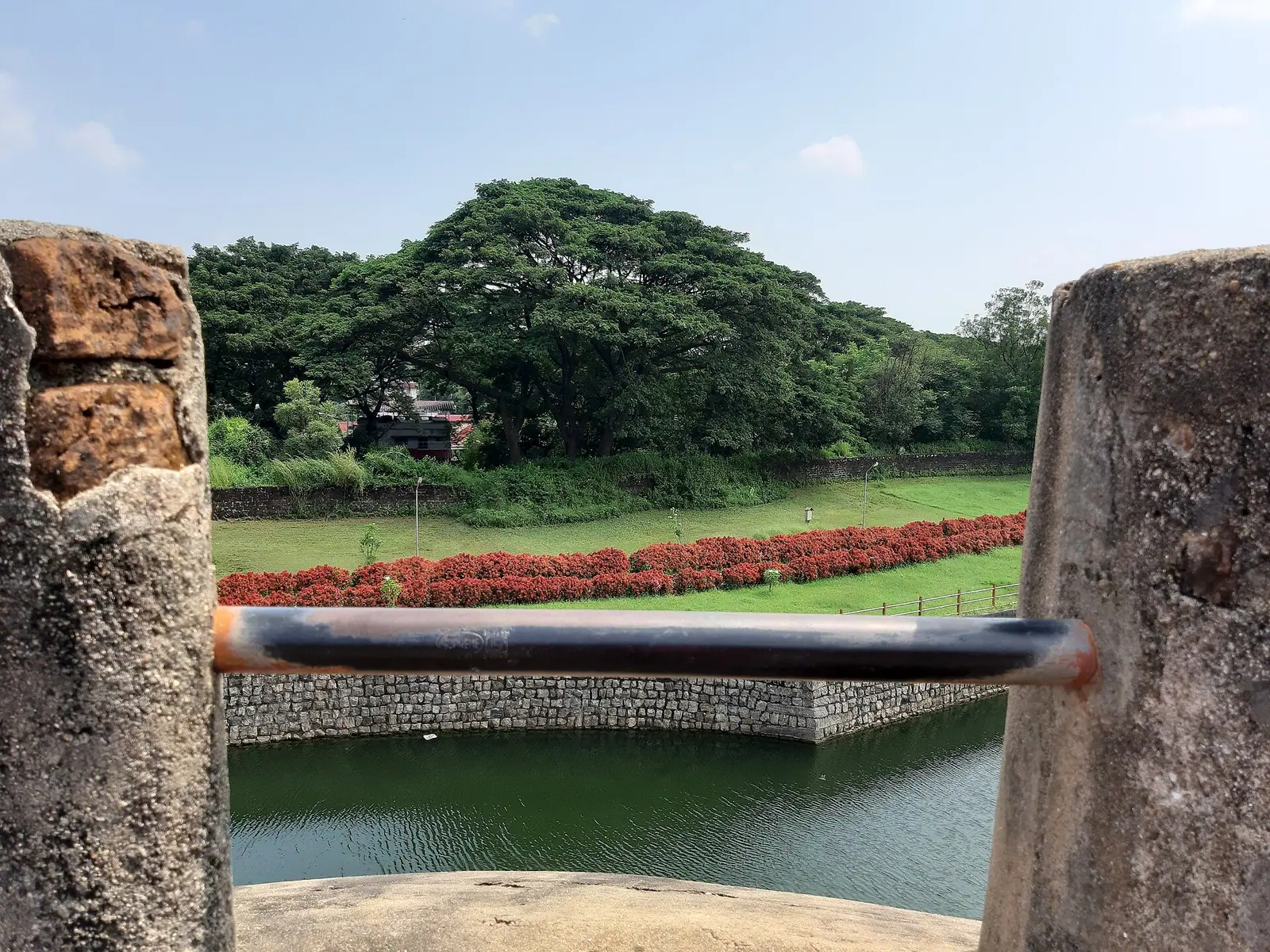
Palakkad Fort. An 18th-century stone fort with moat and ramparts, at the centre of the Palakkad Gap.
Destination in this story
 HeritagePalakkad FortPalakkad
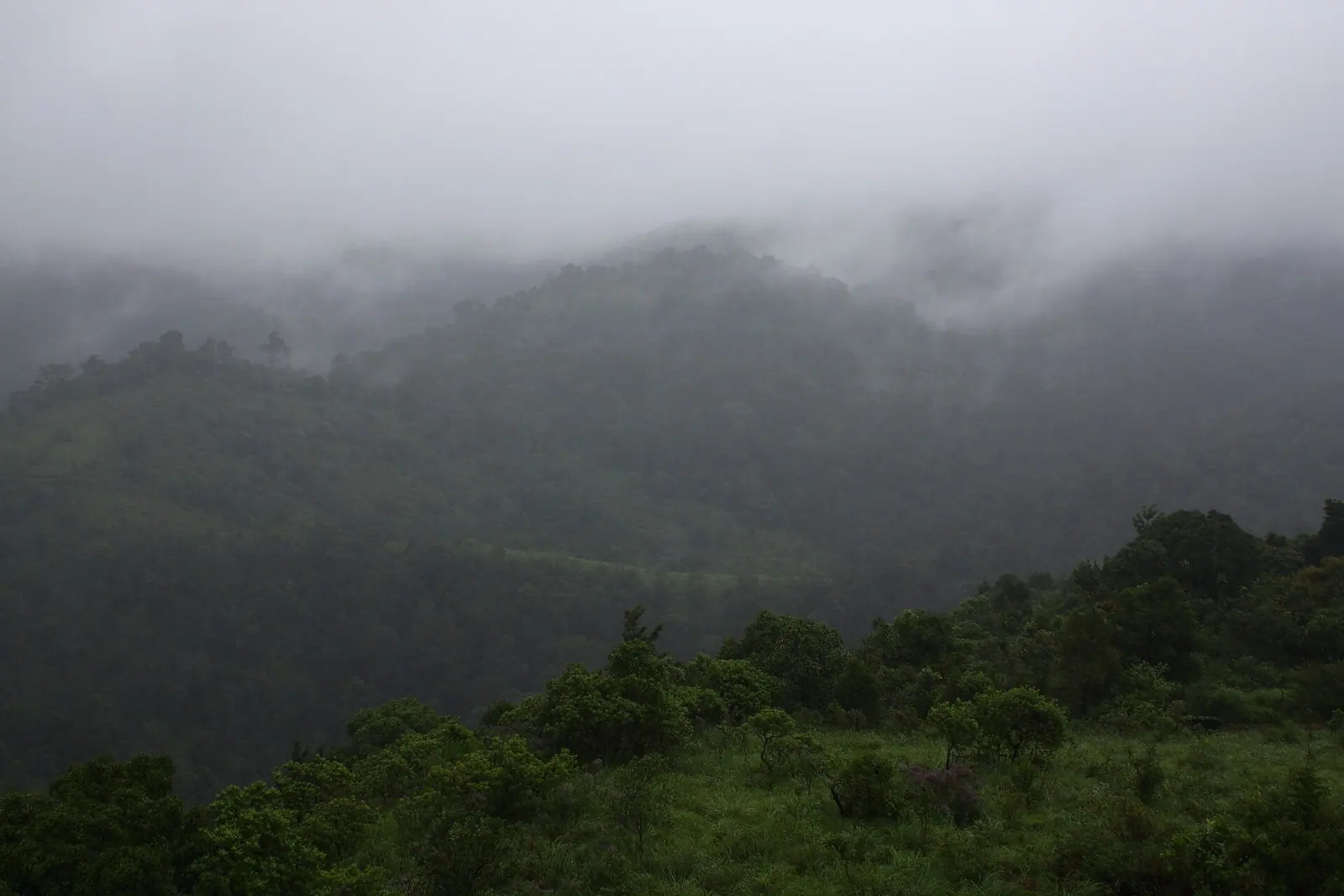
Silent Valley National Park. A remote, protected rainforest in the Nilgiri Biosphere, visited only by permit and on foot.
Destination in this story
 WildlifeSilent Valley National ParkPalakkad
Malampuzha Dam and Gardens. A reservoir and terraced garden at the foot of the Western Ghats, popular with families.
Destination in this story
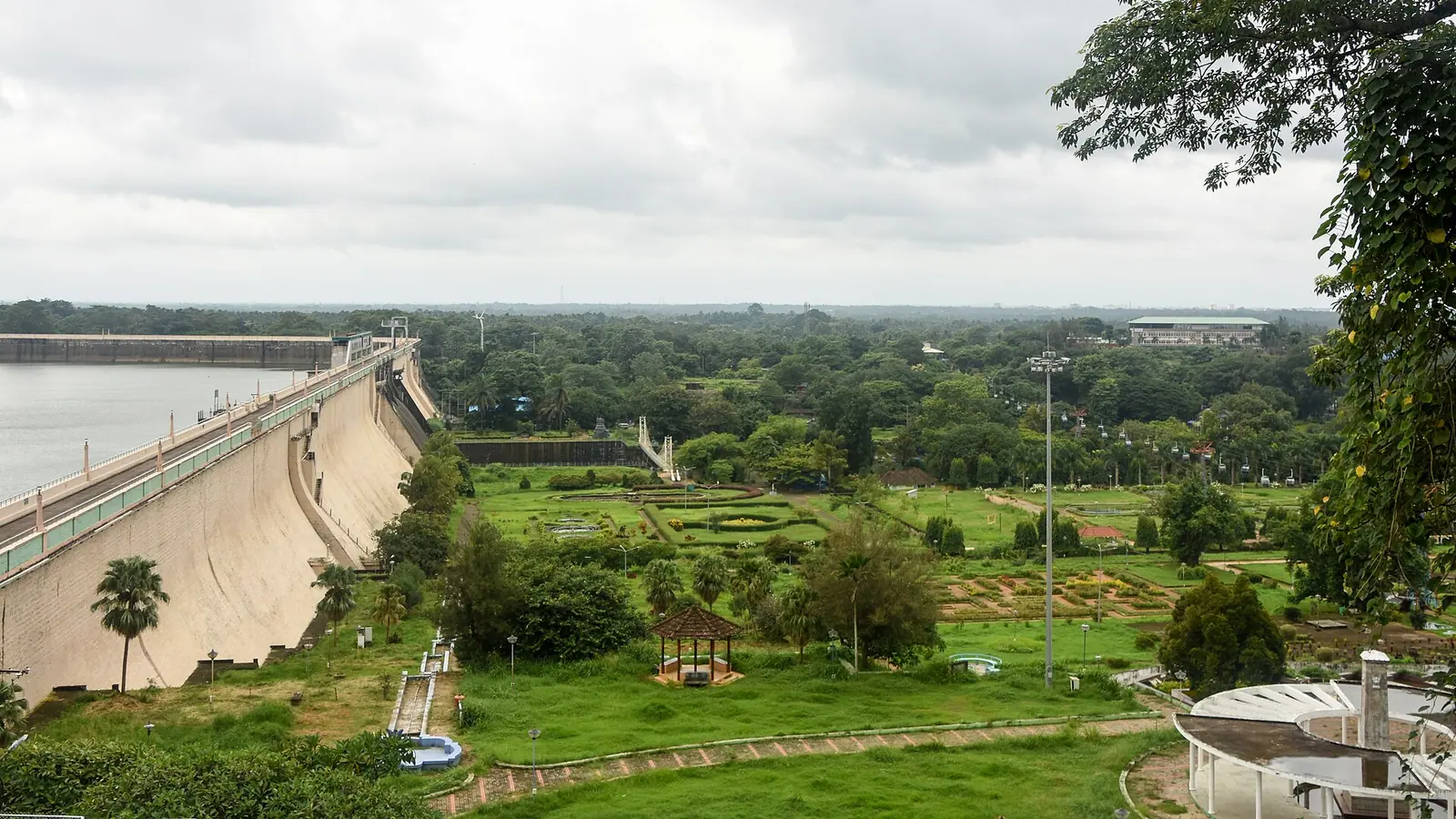 ViewpointMalampuzha Dam and GardensPalakkad
Practical notes
- Stop in Kollengode rather than driving straight through to the hills.
- Confirm festival dates locally; they follow the ritual calendar and shift annually.
- Drive the Nelliampathy climb in daylight and give way to local traffic.
- Avoid the ghat road in heavy monsoon rain, when slips are common.
- Buy from roadside stalls and eat locally; it is the most direct contribution you can make.
Common questions
- Is Kollengode worth stopping for? Yes, if you are heading to Nelliampathy. The town and the farmland around it are a better introduction to the district than the climb alone.
- What is the Nemmara–Vallangi Vela? A major temple festival at Nemmara, near Kollengode, with caparisoned elephants, drums and very large local crowds. Dates follow the ritual calendar.
- How difficult is the Nelliampathy road? It is narrow and steep with hairpins, and it is slow rather than technical. Avoid it after dark and during heavy rain.
- What is Valluvanad? One of the small kingdoms of pre-modern Kerala, covering this belt of Palakkad. Little of it survives as monuments; the settlement pattern does.
Plan this trip
Planning a trip to Kollengode and the Valluvanad country, Palakkad?
There is no mapped record for Kollengode and the Valluvanad country yet, so no route is drawn. The planner opens with Kollengode and the Valluvanad country named, and a person can check what is actually there.
PLAN TRIP HERE CONTACT US TO ARRANGE THIS TRIPA trip-arrangement request, not a booking. Nothing is confirmed or charged here.
Sources & notes
- Kerala Tourism — official state tourism portal · checked 2026-10-22
- Wikipedia — place and history reference · checked 2026-10-22
- Kerala Tourism — Palakkad district · checked 2026-10-22
Last updated 1 November 2026. Prices, opening hours and transport should be confirmed with official sources before travel.
Hello Kerala Publisher
Hello Kerala's editorial desk.
Found an error or an outdated detail?
Tell us