Wildlife
Wayanad Wildlife Sanctuary: jeeps, elephants and expectations
Part of the Nilgiri Biosphere Reserve, this is elephant country with a safari circuit. What the jeep can show you, what it cannot, and why the animals are not on a schedule.
Wayanad Wildlife Sanctuary is not a single gate and a loop road. It is a large protected area spread across the plateau, part of the Nilgiri Biosphere Reserve and connected to forests in Karnataka and Tamil Nadu. That connectivity is why the district still has elephants, tigers, gaur and dholes at all. The safari is a small window into a much larger landscape, and the quality of the visit depends on understanding how small that window is.
The sanctuary was notified in the early 1970s, but the forest here is older than any designation. It sits at the junction of the Western Ghats and the Nilgiris, with moist deciduous and semi-evergreen patches, bamboo, grassland and reservoirs. The wildlife moves across boundaries that humans draw on maps. A tiger photographed near Muthanga may spend part of its year in Karnataka.
What the sanctuary is
The sanctuary is divided into ranges, and visitor access is concentrated at a few gates, notably Muthanga and Tholpetty. The safari is usually a jeep drive on forest tracks with a forest guide or driver, lasting a couple of hours depending on the route and the day. There is no guarantee of seeing anything large. The forest is dense in places, the tracks are limited, and the animals are wild.
What you can reasonably expect is a sense of the habitat: bamboo clumps, tall deciduous trees, open patches, birds, deer, monkeys and the occasional gaur. Elephants are common in the landscape and often seen, but a sighting is not a promise. Tigers are present and rarely seen. Anyone who guarantees a tiger is describing a zoo, not a sanctuary.
The safari
Bookings are usually made through the Forest Department, either in advance or at the gate on the day, and the number of jeeps is limited. The process changes with the season and with online systems, so confirm before you build a day around it. Morning slots tend to be cooler and better for movement; afternoon slots can be quiet and hot. The light is better in the morning, too.
A jeep is not a private vehicle. You may share with other visitors, and the guide sets the pace. Keep your voice low, keep your arms inside, and do not stand up for a photograph. If an animal is close to the track, the correct response is stillness, not a better angle. The forest department can and does close routes when animals are stressed or when conditions are unsafe.
- Wear muted colours and avoid strong perfume or insect spray with a heavy scent.
- Carry binoculars if you have them; they turn a distant shape into a sighting.
- Do not feed, call, whistle at or chase animals.
- Do not ask the driver to leave the track or to get closer than the guide allows.
- Keep children seated and quiet.
- Take your litter out; do not leave it in the jeep or at the gate.
Elephants and expectations
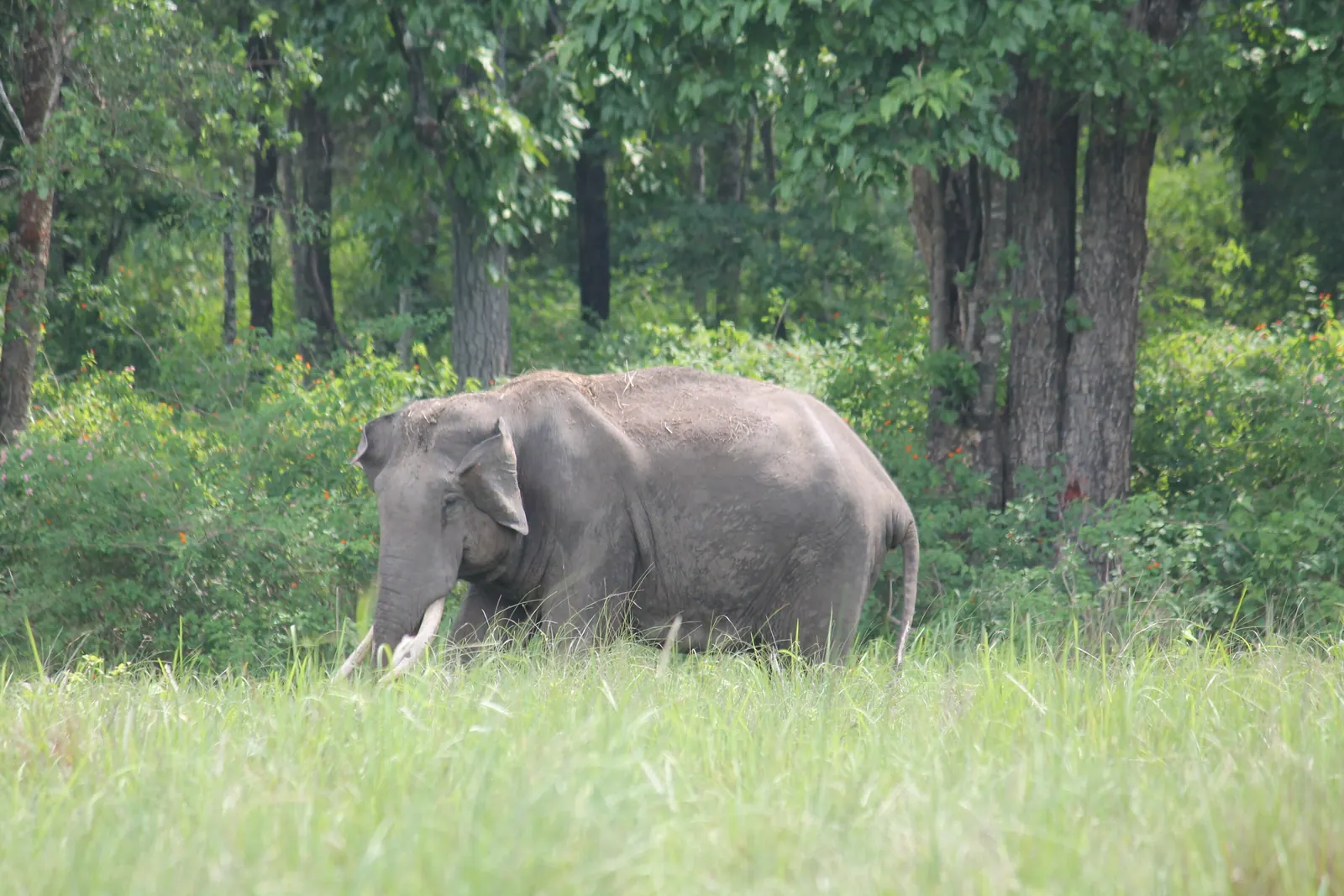
Wayanad is one of the most important elephant landscapes in southern India, and the relationship between elephants and farmers is tense. Elephants move through plantations, cross roads and sometimes enter settlements. A safari is a chance to see them in their own range, not an entitlement. If an elephant is blocking the track, the driver will wait or turn back. That is the correct behaviour, even if it shortens your trip.
The same caution applies outside the sanctuary. Do not stop on a highway to photograph an elephant, do not walk into a tea estate at dusk, and do not assume that a calm animal is a safe one. Local people know the corridors; follow their advice. Night driving in Wayanad is best avoided for this reason as much as for the roads.
Better ways to travel
If wildlife is the main reason for your trip, consider staying two nights near a gate rather than doing a single safari between other sights. Early mornings and late afternoons are the best windows, and a slower stay gives you a second chance if the first drive is quiet. It also puts more of your money into local guiding and homestays rather than a day trip from a distant resort.
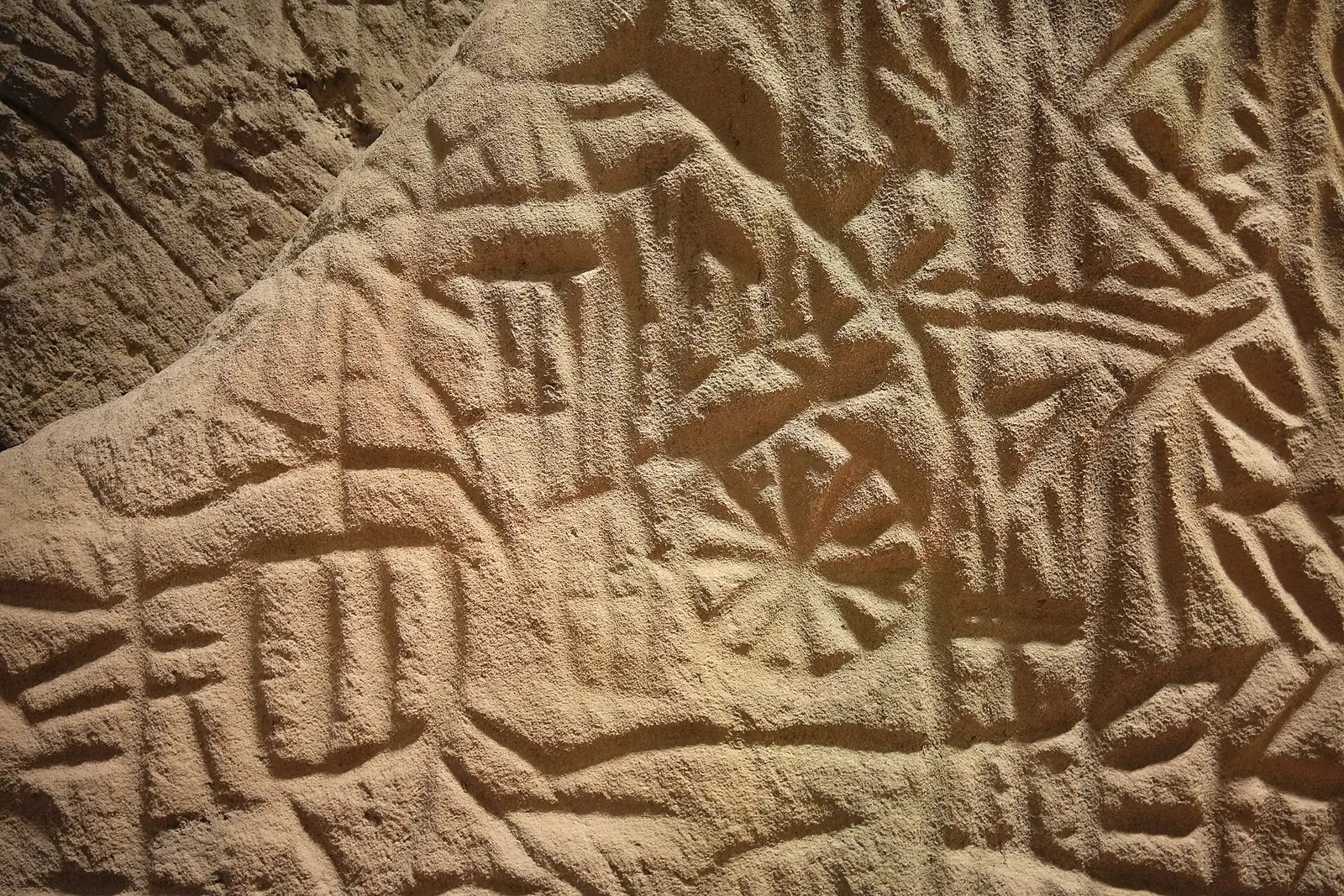
Combine the sanctuary with the surrounding landscape rather than treating it as a tick-box: the tea and coffee estates, the paddy fields, the small towns and the rock art at Edakkal all belong to the same place. The sanctuary is the wildest part of Wayanad, but it is not the whole of it.
Sources & notes
- Kerala Tourism — official state tourism portal · checked 2026-10-22
- Wikipedia — place and history reference · checked 2026-10-22
- Kerala Forest Department — protected areas, permits and ecotourism · checked 2026-10-22
Last updated 24 October 2026. Prices, opening hours and transport should be confirmed with official sources before travel.
Hello Kerala Publisher
Hello Kerala's editorial desk.
Found an error or an outdated detail?
Tell us