Nature
Kuruva Island: a river island with rules worth respecting
A bamboo-covered island in the Kabini river, reached by a short boat ride and managed as a low-impact visit. The rules are not there to spoil the trip; they are the reason it still feels like an island.
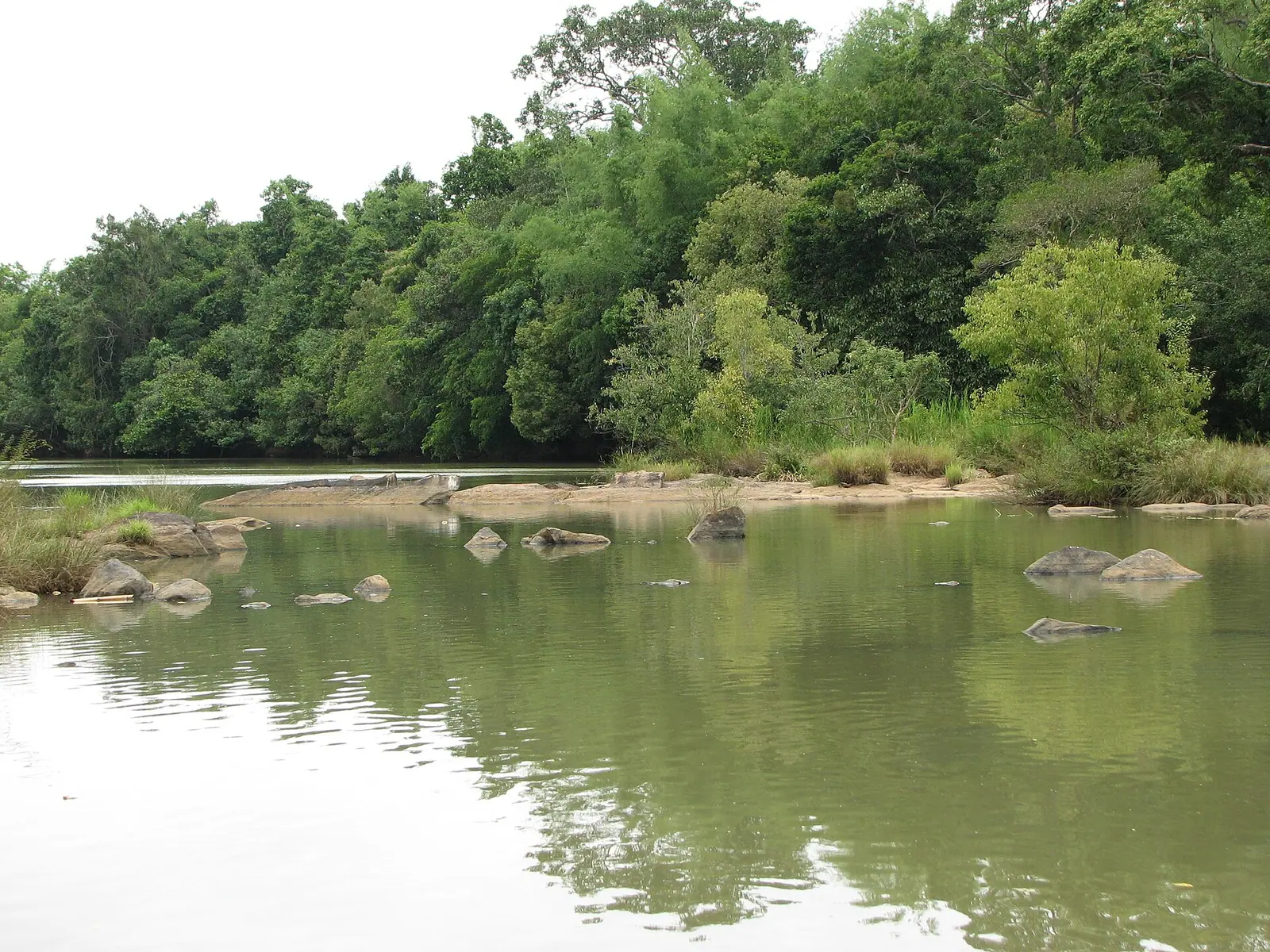
Kuruva is a delta of small islands where the Kabini river splits and braids through bamboo and deciduous forest. It is not a theme park or a beach, and it does not pretend to be. You leave the road, take a short boat or raft across, and walk on an island that is managed to stay quiet. The appeal is shade, water, birdsong and the unusual sensation of being on land that the river can reclaim.
The island sits in Wayanad district, near the border with Karnataka, and the surrounding forest is part of a larger wildlife landscape. That matters for how you behave. This is not a manicured garden with a path around every tree; it is a natural area with limits on numbers, noise and what you carry in.
The island
The vegetation is the first thing you notice: tall bamboo, riverine trees, vines and a canopy that filters the light. The ground is uneven, with roots and leaf litter, and the river is never far away. Depending on the season and the water level, some paths may be closed or the boat landing may move. The island changes with the river, which is part of its character.
Wildlife is present but not performative. You may see birds, butterflies, monkeys and the occasional small mammal; you are unlikely to see a large animal in the middle of a visited island. Do not feed anything, do not chase photographs and do not assume that a quiet patch of forest is empty. Keep children close and do not let anyone wander off the marked route.
How a visit works
Access is controlled at the river crossing. Visitors usually park on the road side, buy an entry arrangement at the counter and cross by boat or raft with a group. Numbers may be capped, and the last crossing back may be earlier than you expect. Ask about the return time when you arrive, not when you are ready to leave.
Facilities are basic. There may be toilets and a small shop near the entrance, but do not count on food, drinking water or card payments inside. Carry what you need in a small bag and take everything out again. The island has no bins for good reason: waste that leaves with you cannot end up in the river.
- Carry a reusable water bottle; avoid buying bottled water on the island.
- Do not bring plastic bags, wrappers or single-use cutlery.
- Wear shoes that can get wet and grip roots and mud.
- Swimming is not the point of the visit and may not be permitted; follow local instructions.
- Keep noise down. The island's value is the quiet.
- Check whether the island is open before making the drive, especially in the monsoon.
Rules that matter
The plastic-free rule is the best-known one, and it is enforced at the crossing in various ways. It is also the one visitors most often try to negotiate. Do not. A river island downstream of farmland and forest is exactly the wrong place for a discarded bottle. The same applies to speakers, drones and anything that changes the soundscape for other visitors and wildlife.
Seasonal closure is the other rule to plan around. Heavy rain can raise the river, make the crossing unsafe and close the island. The forest department may also close it for wildlife or maintenance reasons. A closed Kuruva is not a wasted day: the surrounding Wayanad countryside, the Kabini bridge and the small towns nearby are worth the drive on their own.
Beyond the island
Kuruva is usually visited from Mananthavady or Kartikulam, and it combines well with a drive through the plantations and paddy fields of the northern part of the district. The Thirunelli temple and the Brahmagiri hills are further south, and the wildlife sanctuary gates are in the same broad landscape. Do not try to fit all of it into one day; the roads are slower than the map suggests.
The best visit is short and unhurried: cross early, walk the island for an hour or two, sit by the water, and leave before the afternoon heat and the largest groups arrive. Kuruva does not need to be a full-day attraction. It needs to be left as you found it.
Sources & notes
- Kerala Tourism — official state tourism portal · checked 2026-10-22
- Wikipedia — place and history reference · checked 2026-10-22
- Kerala Forest Department — protected areas, permits and ecotourism · checked 2026-10-22
Last updated 24 October 2026. Prices, opening hours and transport should be confirmed with official sources before travel.
Hello Kerala Publisher
Hello Kerala's editorial desk.
Found an error or an outdated detail?
Tell us