Waterfalls
The other waterfalls of Wayanad
Kanthanpara, the Meppadi cascades and the streams that only run in the rain: how to tell a safe viewpoint from a dangerous one.
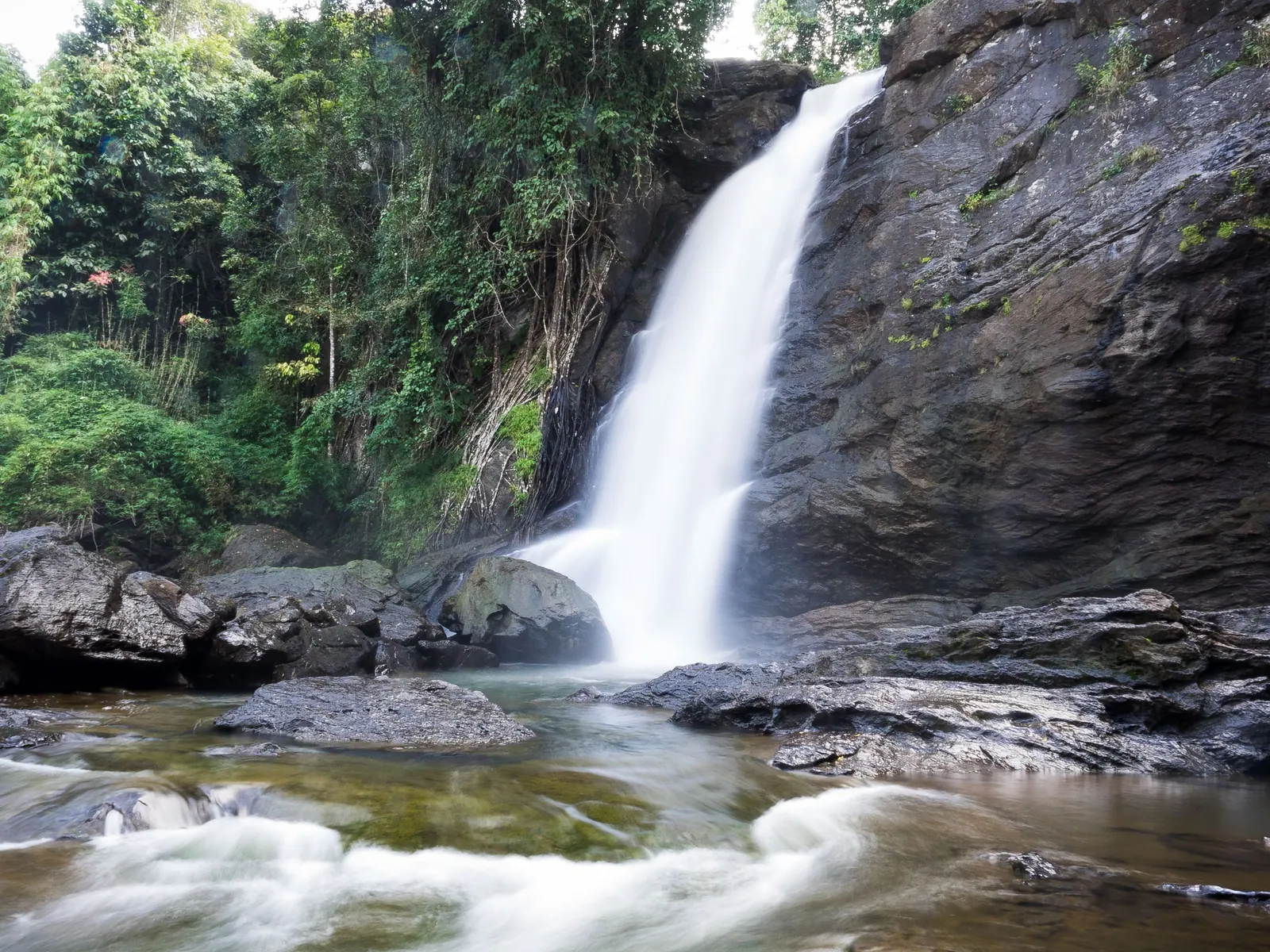
Photograph: Dumphasizer / CC BY-SA 2.0, via Wikimedia Commons
Wayanad's waterfalls have a hierarchy. Soochipara is the one with the ticket counter and the crowd, and it deserves its reputation. But the district has a second tier — Kanthanpara, the cascades around Meppadi, and the roadside streams that appear for a few months a year — which is where a quieter day is found.
The catch is that the smaller ones are also the least managed. There is often no railing, no sign and nobody watching, which changes what is safe.
The falls people know
Kanthanpara, on the road towards Meppadi, is a two-step fall in a wooded valley with a short walk down from the road. It is smaller than Soochipara and correspondingly quieter, and the pool below is the kind of place people sit rather than swim.
Around Meppadi there are several more, some on private estate land and some reached by tracks that are not on any map. The falls along the Kalarampuzha and the streams feeding the Chaliyar run hard in the monsoon and thin to nothing by March.
The ones that only exist in the rain
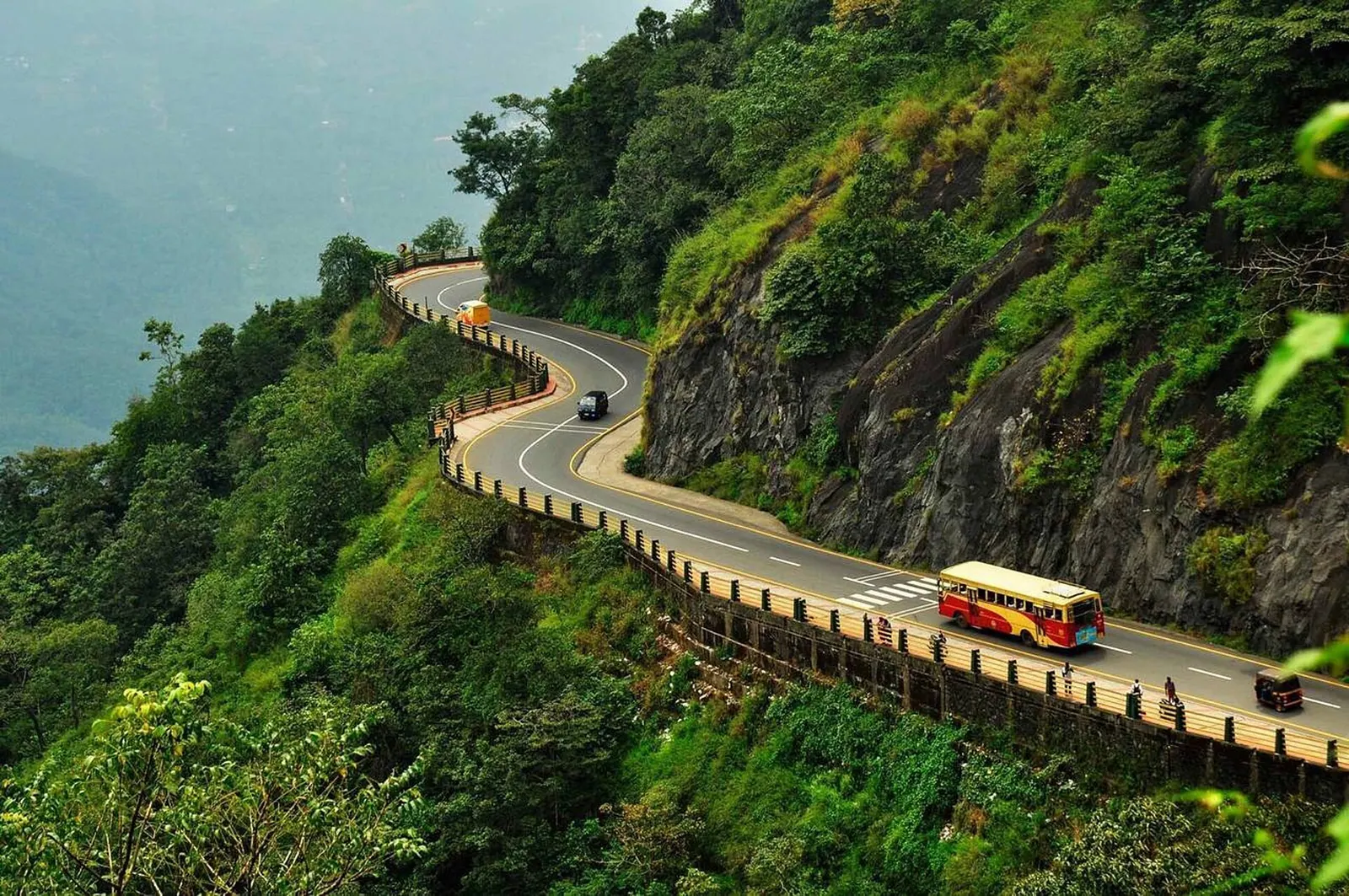
Drive the hill roads in July and you will pass water coming off the banks every few kilometres. These are ephemeral streams with no name and no infrastructure, and they are the most dangerous category precisely because they look harmless from a car.
A stream that is ankle-deep at the road can be a metre deep twenty metres upstream, and the rock beneath it is laterite that turns to grease when wet. If you stop, stop at a wide bend with a safe place to park, and do not climb the bank.
Reading the water
Before entering any pool, look upstream. Brown water, a rising line on the rocks, debris moving, or a sound that changes from a rush to a roar all mean get out and stay out. Rain can fall heavily a kilometre away and arrive here in minutes.
Laterite ledges are undercut, which means the rock you are standing on may have nothing beneath it. Waterfalls also carry rocks and branches in the monsoon. There are no lifeguards at any of these sites, and phone signal is unreliable in the valleys.
Access and permission
Some falls sit inside private estates or forest boundaries and require permission at a gate. Ask before walking in; a locked gate is not an invitation to climb it. Where a forest department sign restricts entry, the restriction is about wildlife and accidents, not about spoiling your day.
Parking is the other access issue. Roadside stops on a blind hill bend cause accidents; use the designated pull-offs where they exist, and walk the last stretch rather than stopping in the carriageway.
When to go, and what to wear
June to September gives the most water; October to December gives easier access and still-good flow. January to May is the dry season, when some falls are a trickle and the pools are shallow but the rocks are less treacherous.
Wear shoes with grip, carry a dry bag, and bring a change of clothes if you plan to stand near the spray. A rain shell is more useful than an umbrella on a forest path, and a torch is worth having if you start late.
The district in brief
A highland district of coffee, pepper and paddy, Wayanad sits where Kerala meets Karnataka and Tamil Nadu. It is tribal country with ancient rock art, elephant corridors and some of the best short treks in the state.
Elsewhere in Wayanad
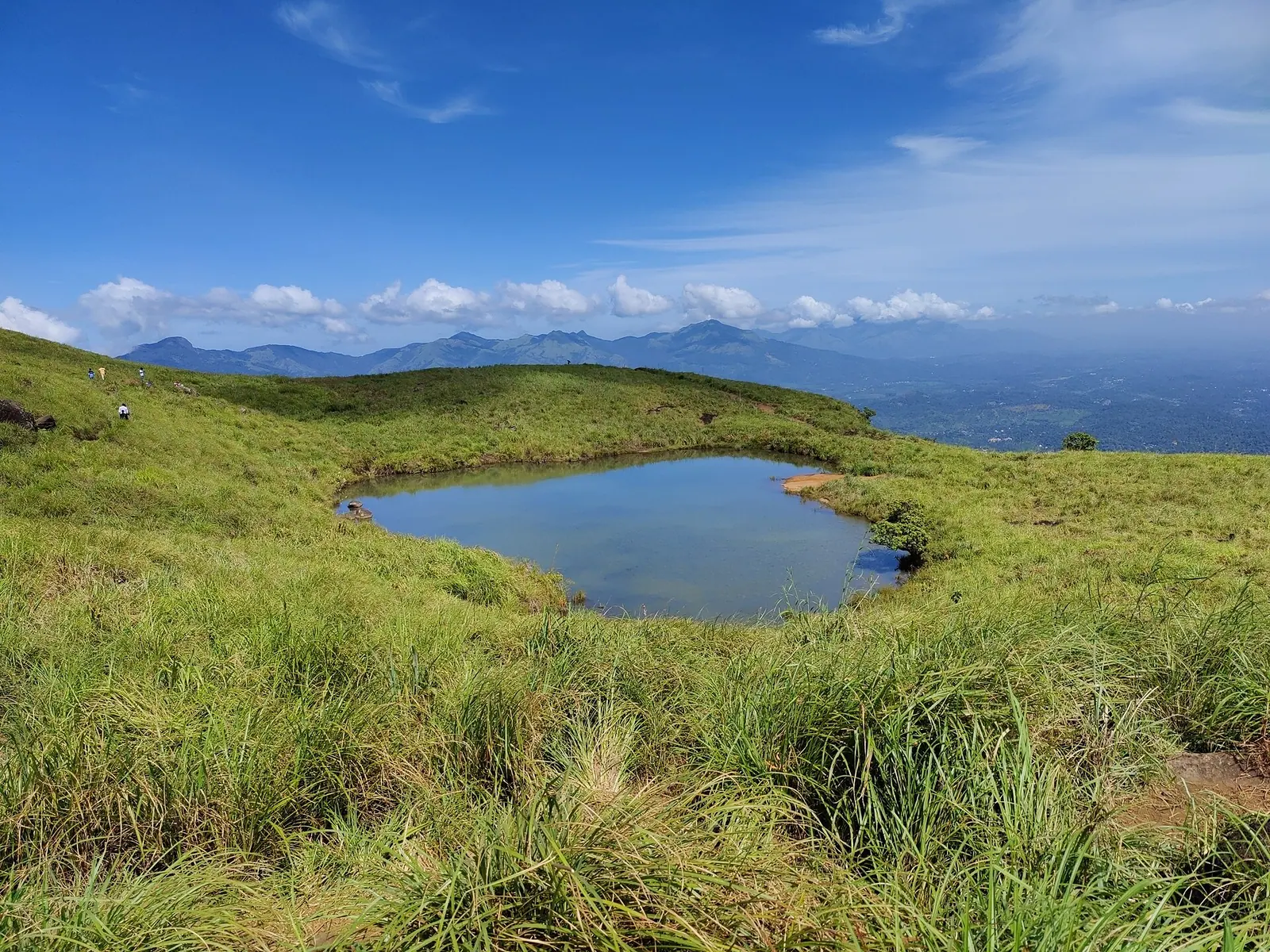
Chembra Peak. Wayanad's highest peak, with a heart-shaped lake and a steep, permit-controlled trek.
Destination in this story
 AdventureChembra PeakWayanad
Edakkal Caves. Neolithic rock carvings in a natural cleft high above the Wayanad plateau.
Destination in this story
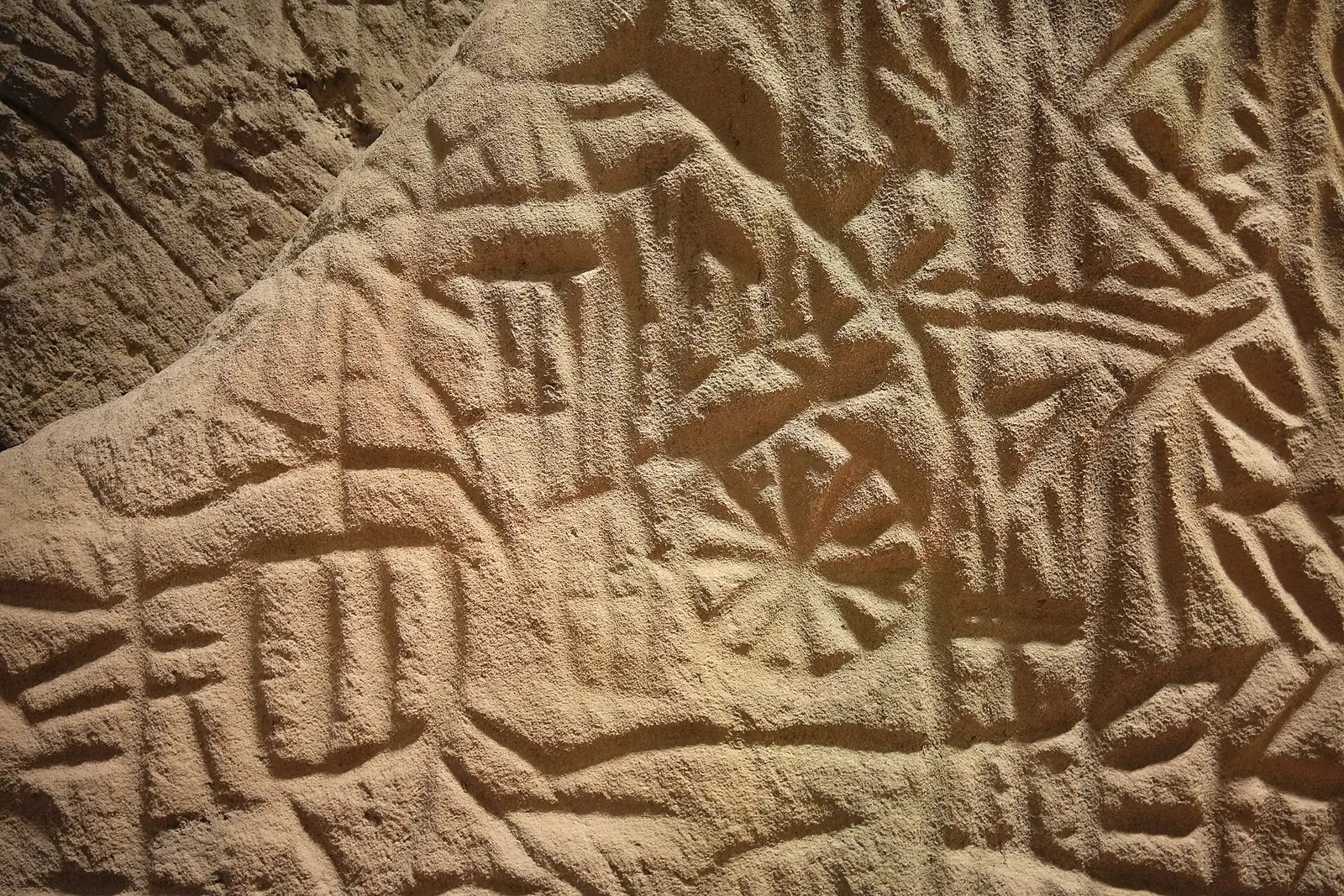 HeritageEdakkal CavesWayanad
Kuruva Island. A cluster of river islands in the Kabini, with bamboo groves and quiet water.
Destination in this story
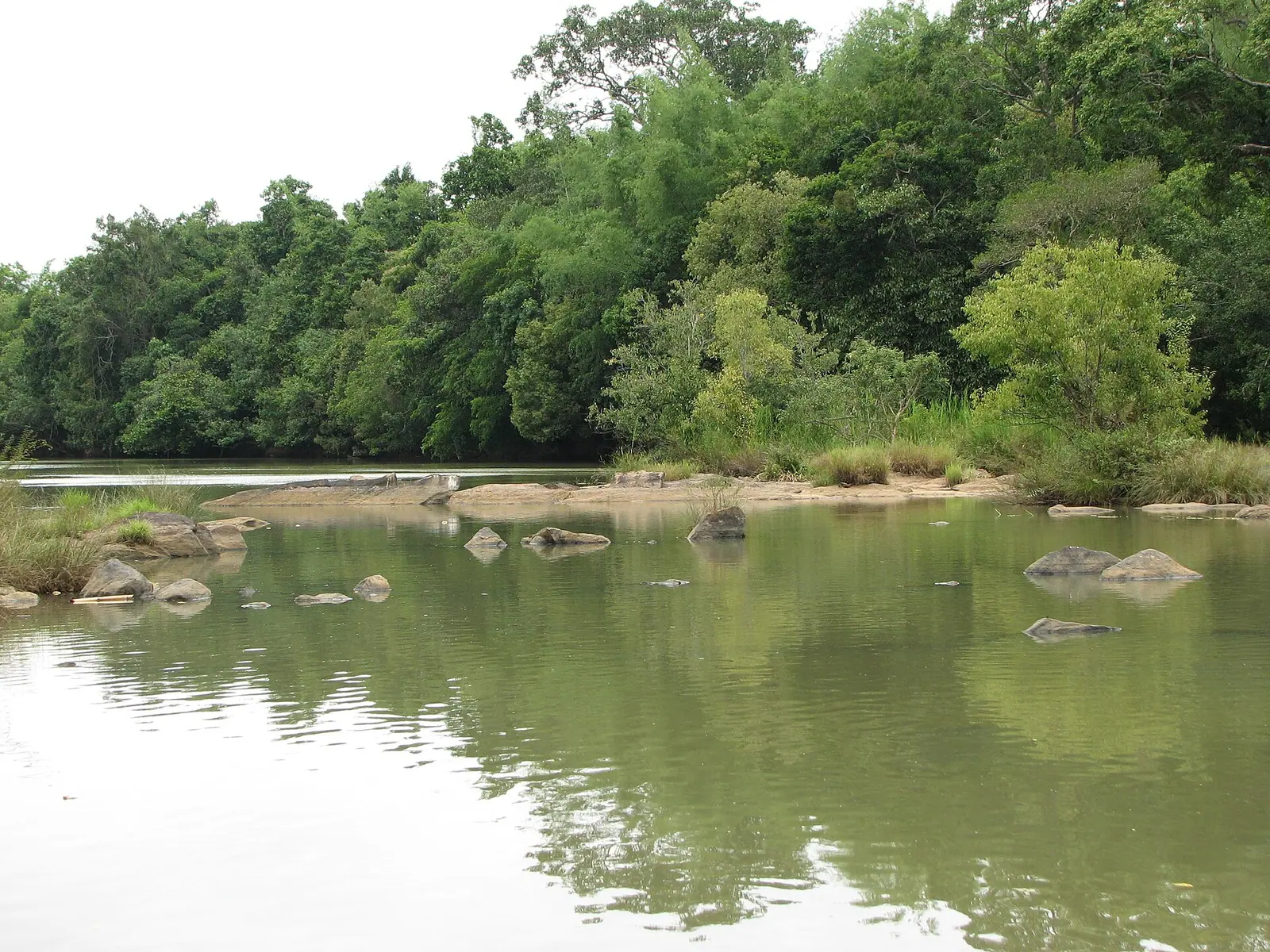 IslandKuruva IslandWayanad
Practical notes
- Check upstream for brown, rising water before going near a pool.
- Never swim below a fall in the monsoon; there are no lifeguards anywhere here.
- Stay on marked paths; laterite ledges are undercut and slippery.
- Ask at the gate before crossing private estate or forest land.
- Park in pull-offs, never on a blind bend.
- Carry a dry bag and shoes with grip; spray reaches further than you think.
Common questions
- Which Wayanad waterfall is quietest? Kanthanpara and the smaller falls around Meppadi see far fewer visitors than Soochipara, though access is less formal and you need to be more careful.
- Are the small roadside falls safe to stop at? Only where there is a safe place to park and no steep bank. The water can rise fast from rain upstream, and the rock is very slippery.
- Do you need permission to visit a waterfall on an estate? Yes. Ask at the gate or with your host; some are closed to visitors entirely.
Plan this trip
Planning a trip around Kerala?
A route with real road distances, seasons and a realistic pace.
PLAN TRIP HERE CONTACT US TO ARRANGE THIS TRIPA trip-arrangement request, not a booking. Nothing is confirmed or charged here.
Sources & notes
- Kerala Tourism — official state tourism portal · checked 2026-10-22
- Kerala Forest Department — protected areas, permits and ecotourism · checked 2026-10-22
- Kerala Tourism — Wayanad district · checked 2026-10-22
Last updated 3 November 2026. Prices, opening hours and transport should be confirmed with official sources before travel.
Hello Kerala Publisher
Hello Kerala's editorial desk.
Found an error or an outdated detail?
Tell us