Culture
Theyyam in Kasaragod: shrines, season and etiquette
In the far north of Kerala, Theyyam is not a performance for visitors. It is a ritual calendar, a village obligation and a form of worship. Here is how to attend without getting it wrong.
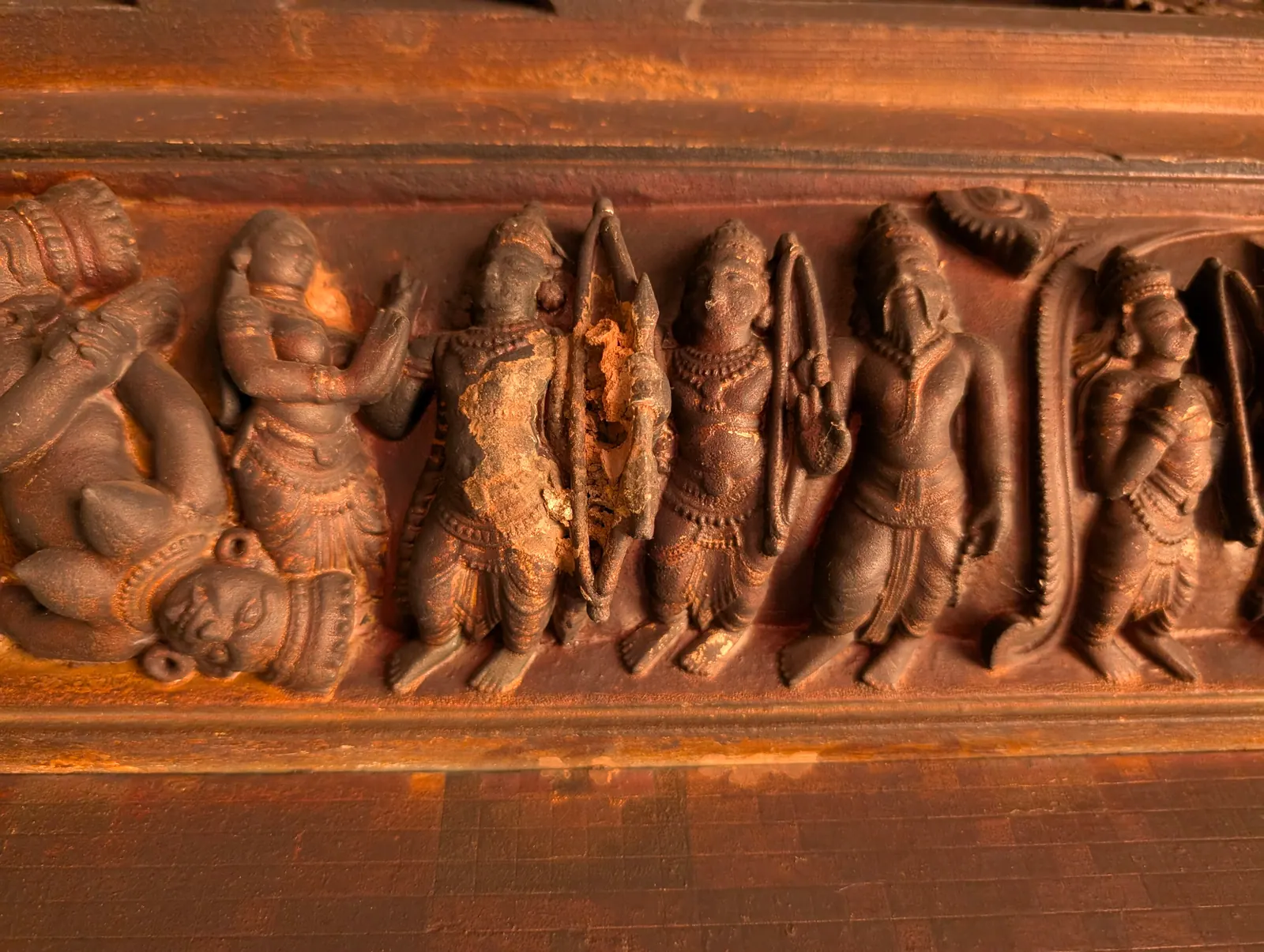
Theyyam is often described in tourist brochures as a dance form. It is closer to a possession ritual. In the shrines of northern Kerala, a performer is prepared through costume, make-up, drumming and hours of movement until the deity is understood to be present in him. The community receives that presence. The event happens because the shrine's calendar requires it, not because a visitor has bought a ticket. Understanding that difference is the beginning of attending well.
Where and when
Kasaragod is one of the heartlands of Theyyam, along with Kannur and parts of Kozhikode and Wayanad. The season broadly runs from the end of the monsoon through to the following summer, with the densest cluster of performances in the cooler months. Each shrine — a kavu or a small temple — has its own dates, deities and rules. There is no central box office and no reliable statewide calendar. Local knowledge is the only dependable guide.
Some performances are large, public and well known; others are small, local and not advertised at all. A shrine may be closed to outsiders for part of its ritual. That is not a slight, and it is not something to negotiate. If you are invited by a local family or guided by someone who knows the shrine, you will see more and understand more than any independent visitor can manage by turning up.
What happens
Expect drumming, elaborate headdresses, face paint in red and black, and long periods of movement around the shrine. Some performances involve fire; some involve the performer entering a trance state; some are quieter and more domestic than the photographs suggest. The audience is a congregation, not a crowd. People come and go through the night, bring offerings, talk, eat and sleep on the ground. You are a guest in that rhythm.
Performances often begin late and run until dawn. That is hard on a visitor's schedule, and it is the point: the ritual is not arranged around your comfort. Go for a few hours rather than the whole night if you need to, but arrive before the main sequence rather than in the middle of it. Ask your host when the important moments are likely to happen, and accept that the answer may be approximate.
How to behave
- Dress modestly, covering shoulders and knees. Remove shoes where others do.
- Do not touch the performer, the costume, the headdress or the offerings.
- Do not use flash photography, and ask before using a camera at all. Some shrines forbid it.
- Keep out of the way of drummers, fire and processions; sit where you are directed.
- Do not enter restricted areas or photograph women in seclusion or ritual spaces.
- If prasadam is offered, accept it with your right hand and eat it rather than pocketing it.
- Do not bring alcohol or behave as if this were a festival bar.
Practical planning
Base yourself in Kasaragod or Kanhangad, arrange a driver who knows the village roads, and eat before you go. Many shrines have no parking, seating or toilets, and phone signal can be patchy. Carry water and a light layer. A torch is useful. If you are staying out late, tell your accommodation when you expect to return and do not rely on finding a taxi at two in the morning.
The Madiyan Koolom shrine near Kanhangad is one of the better-known centres and is a useful starting point for understanding the tradition, but it is not a theatre and its calendar is its own. Treat any visit as an invitation into someone's religious life. The memory you take away will be stronger for it, and the community will be glad you came.
Sources & notes
- Kerala Tourism — official state tourism portal · checked 2026-10-22
- Wikipedia — place and history reference · checked 2026-10-22
Last updated 24 October 2026. Prices, opening hours and transport should be confirmed with official sources before travel.
Hello Kerala Publisher
Hello Kerala's editorial desk.
Found an error or an outdated detail?
Tell us