Heritage
Chandragiri: a river fort with a view south
Smaller and quieter than Bekal, Chandragiri watches over the river mouth that once carried the region's trade. It is a short visit with a long history.
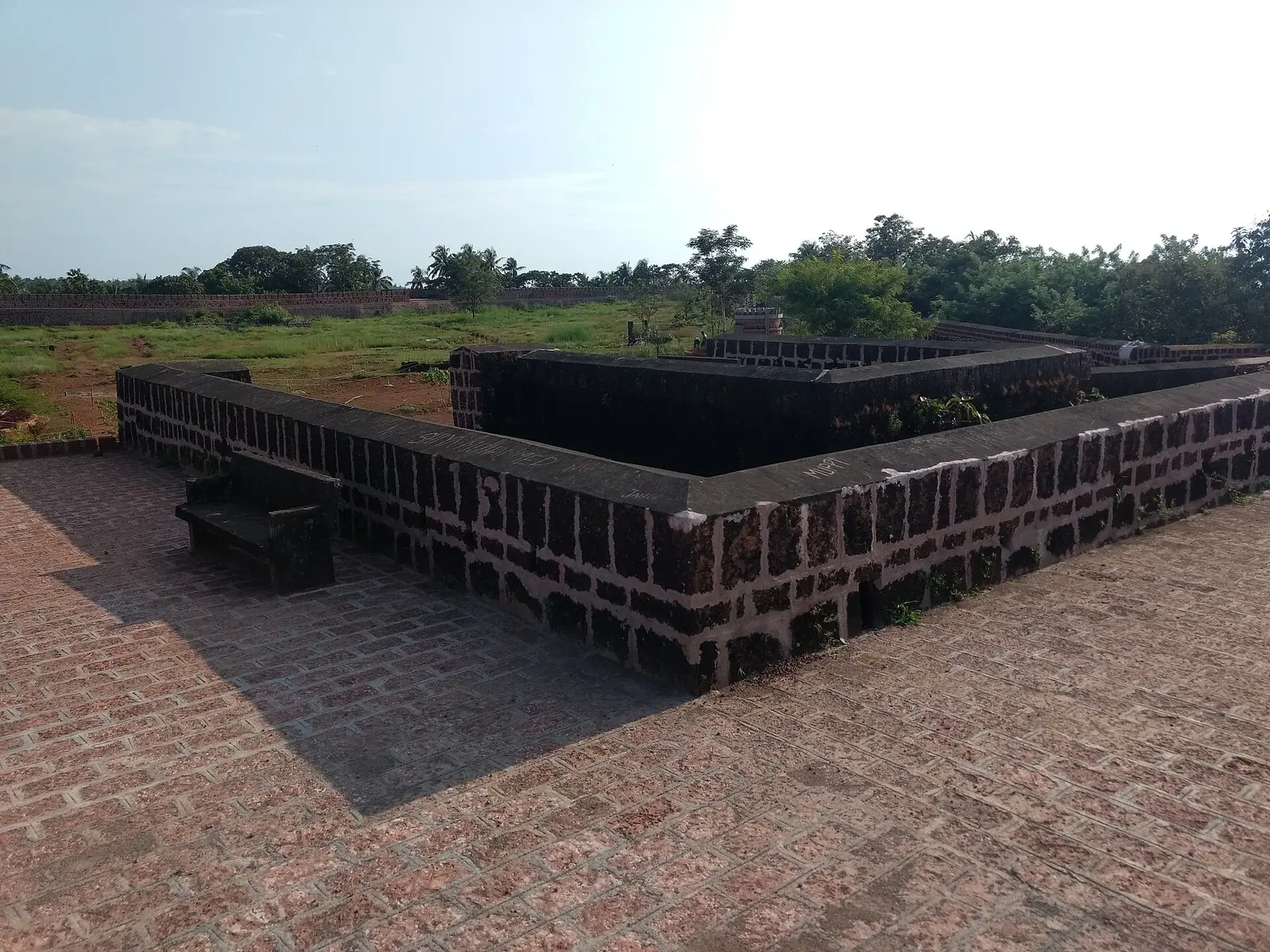
Chandragiri Fort sits above the mouth of the Chandragiri river, a few kilometres south of Kasaragod town. Most visitors pass it on the way to Bekal, which is larger, more photographed and easier to find on a map. That is a mistake, though a forgivable one. Chandragiri is small and quick to see, but its position explains more about the region than any single information board.
Why a fort here
A river mouth is a natural place to control trade. Goods coming down the Chandragiri from the hills met boats and coastal shipping here, and the fort above the bank could watch both. The structure is generally associated with the Keladi Nayakas in the seventeenth century, the same network of coastal strongholds that includes Bekal. It later passed into Mysore control and then to the British, changing hands as the balance of power in Malabar shifted.
The fort you see today is modest: a laterite enclosure, a gateway, some surviving walls and a garden-like open space. It has been restored in parts, and the line between original fabric and later repair is not always obvious. That is true of most working monuments. The pleasure is in the situation rather than in interpretive display: the river below, the bridge, the palms, and the sense of a crossing point that mattered.
The view and the river
The best reason to come is the view from the rampart. The river widens towards the sea, the bridge carries the coastal road across it, and the far bank is a line of coconut palms and low houses. In the late afternoon the water catches the light and the fort is quiet. It is a good place to sit for twenty minutes, which is not something you can often do at a busier monument.
Below the fort, the riverside is a working place: fishing boats, sand mining in places, small ferries and the everyday traffic of a river that still matters. Walk along the bank if you can, but treat it as a working waterfront rather than a promenade. Ask before photographing boats or people, and keep clear of any operation that looks like it is handling heavy equipment.
- Pair Chandragiri with Bekal Fort, which is a short drive north, rather than making a special journey for it alone.
- Come late in the day for the light and the cooler air; there is very little shade.
- The fort is a protected monument, so do not climb on loose masonry or enter closed sections.
- Carry water; the nearest shops are not inside the site.
- If you are interested in the history, read about the Nayakas and the Mysore period before you arrive; on-site interpretation is limited.
A useful stop, not a headline
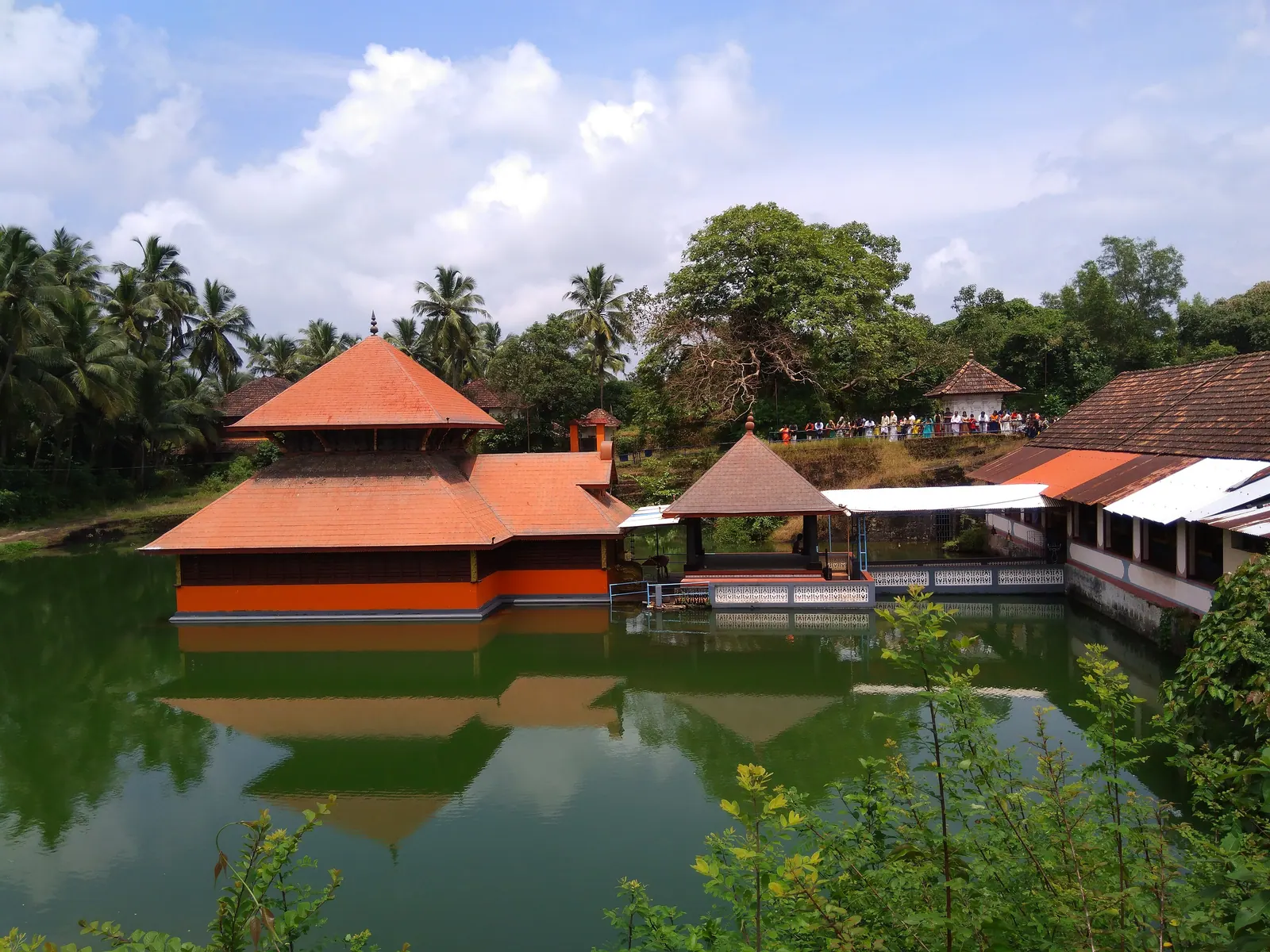
Chandragiri is not a place to build a day around. It is a place to stop, look, and understand the geography of the coast better. That is a modest ambition, and it is met. The fort's scale also makes it easy to combine with the Ananthapura lake temple, the Bekal beach and the backwaters, all within a short drive. In a district where the distances between sights are longer than they look, that compactness is worth something.
Sources & notes
- Kerala Tourism — official state tourism portal · checked 2026-10-22
- Wikipedia — place and history reference · checked 2026-10-22
Last updated 24 October 2026. Prices, opening hours and transport should be confirmed with official sources before travel.
Hello Kerala Publisher
Hello Kerala's editorial desk.
Found an error or an outdated detail?
Tell us