Responsible travel
Rubber country: how Pathanamthitta's smallholdings work
Most of India's natural rubber comes from smallholdings like the ones that cover this district — tapped before dawn, coagulated in a bucket and rolled into sheets that smell of smoke.
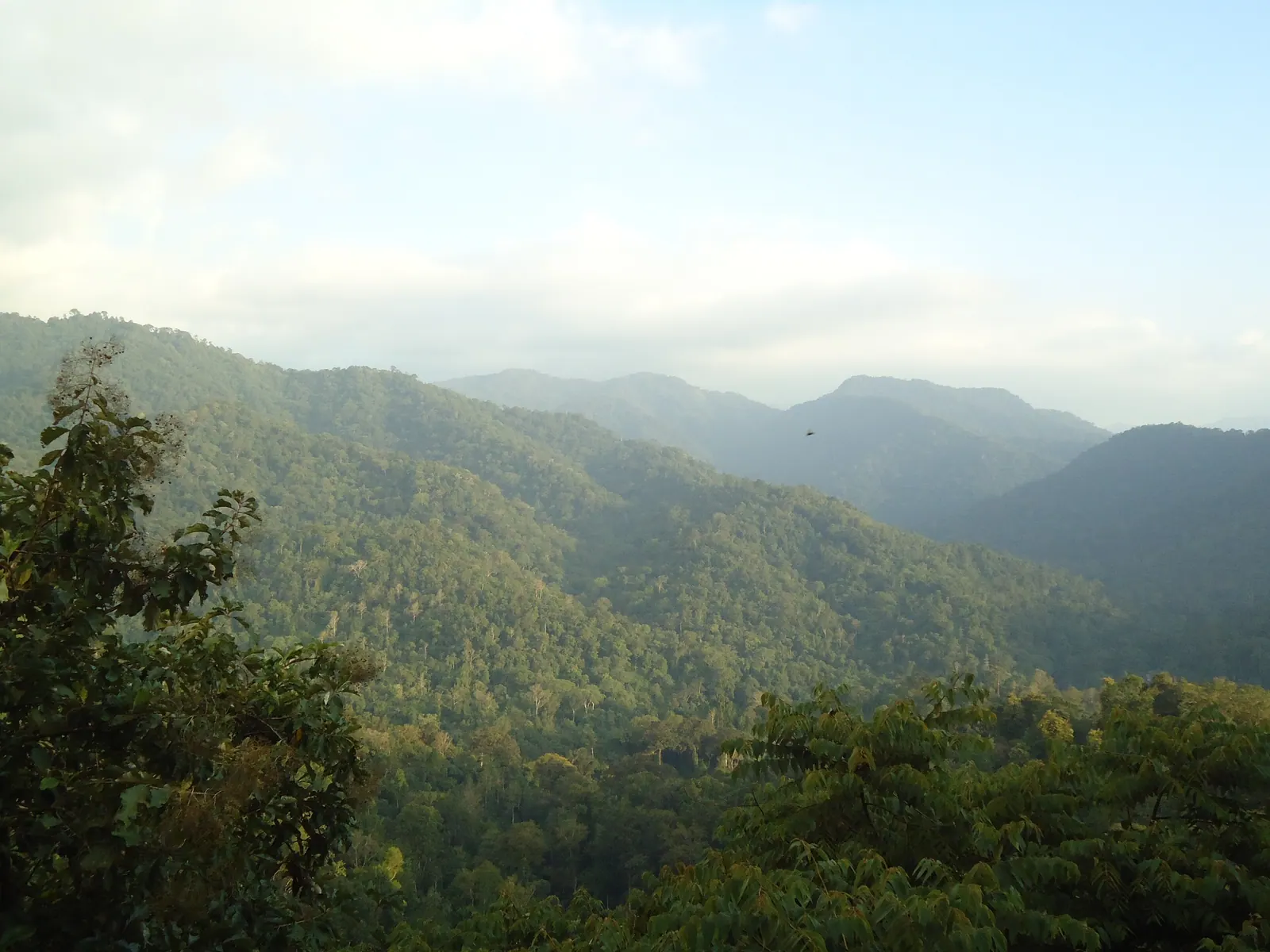
Photograph: rajaraman sundaram / CC BY 3.0, via Wikimedia Commons
A tree that arrived by way of Kew
Rubber is not native to India. The para rubber tree came from the Amazon basin, was carried to Asia through the botanical gardens of the British empire in the late nineteenth century, and found in Kerala the combination it needs: deep soil, heavy rainfall, warmth and no frost. The first plantations were made in the state at the turn of the twentieth century, and the industry's research and regulatory body has been headquartered in Kottayam ever since.
Pathanamthitta became rubber country later and faster than most of Kerala. The district's midlands and eastern slopes were opened up through the twentieth century by families moving in from the crowded parts of central Travancore, clearing land and planting rubber as the cash crop that could pay for a house, a school and a dowry. The landscape you drive through today is the result of that migration, not of an old estate economy.
The holding, not the estate
Most of Kerala's rubber, and most of this district's, comes from smallholdings of a few acres rather than from company estates. That changes everything about how the crop is worked. The family owns the trees, does the tapping, collects the latex, processes it and carries the sheets to a dealer. There is no manager and no workforce beyond the household and perhaps a hired tapper.
Tapping is skilled work and it is done early. A thin spiral is cut into the bark just deep enough to reach the latex vessels without wounding the tree, a cup is fixed below the cut, and the latex runs into it for a few hours before the heat of the day slows the flow. The same tree is tapped on a schedule that lets the cut recover, and a careless cut costs the tree years of production.
Rain decides the day
Tapping only works when the bark is dry. Rain running down the trunk carries the latex away and ruins the cut, so the monsoon is a shutdown rather than a busy season, and even in the dry months a shower at four in the morning can wipe out the day. This is why the district's rubber calendar is a conversation about weather before it is a conversation about price.
The latex collected in the cups is strained, mixed with a small amount of acid to make it coagulate, and left to set into a soft white slab. The slab is passed through a hand or power mangle to squeeze out water and press it into a ribbed sheet, and the sheets are then dried — traditionally over a smoking fire, which is where the smell comes from, and increasingly in airy sheds that produce a lighter, cleaner sheet for buyers who ask for it.
The price problem
Rubber is a commodity and the smallholder is a price taker. When international prices fall, the household cannot cut its costs much, because the labour is its own and the trees keep producing whether or not the price justifies the work. The result is a district that looks prosperous from the road and is often squeezed underneath, with holdings that are smaller than they were because land has been sold for houses and plots.
The response has been diversification rather than abandonment: intercropping with banana, cocoa, pepper and vegetables, keeping a few cows, and in some places renting rooms to travellers. The trees are still there, still tapped, still good for decades if they are looked after. But very few families now depend on rubber alone, and the roadside signs for land sale tell you as much about the crop's economics as any price chart.
What a visitor sees, and how to behave
From the road the plantation reads as orderly grey trunks in rows, with the pale diagonal scars of old cuts and the small cups wired in place. In the early morning you may see tappers moving between the rows with buckets, and later in the day you may smell a drying shed before you see it. The white streaks on the trunks and the ribbed sheets hanging to dry are the two images worth carrying away.
None of this is an attraction. The holdings are private working land and the tapper is on a schedule that does not survive interruption. If you are staying nearby and the host offers to show you the trees on their own land, that is a genuine introduction. Otherwise, look from the road, buy rubber-country produce where you can, and do not walk between the rows of a plantation you were not invited into.
The district in brief
This inland district is best known for the Sabarimala pilgrimage and for the forest around Gavi, reached by a winding road from Vandiperiyar. Aranmula's temple and its metal-mirror craft give the district a quieter cultural anchor.
Elsewhere in Pathanamthitta
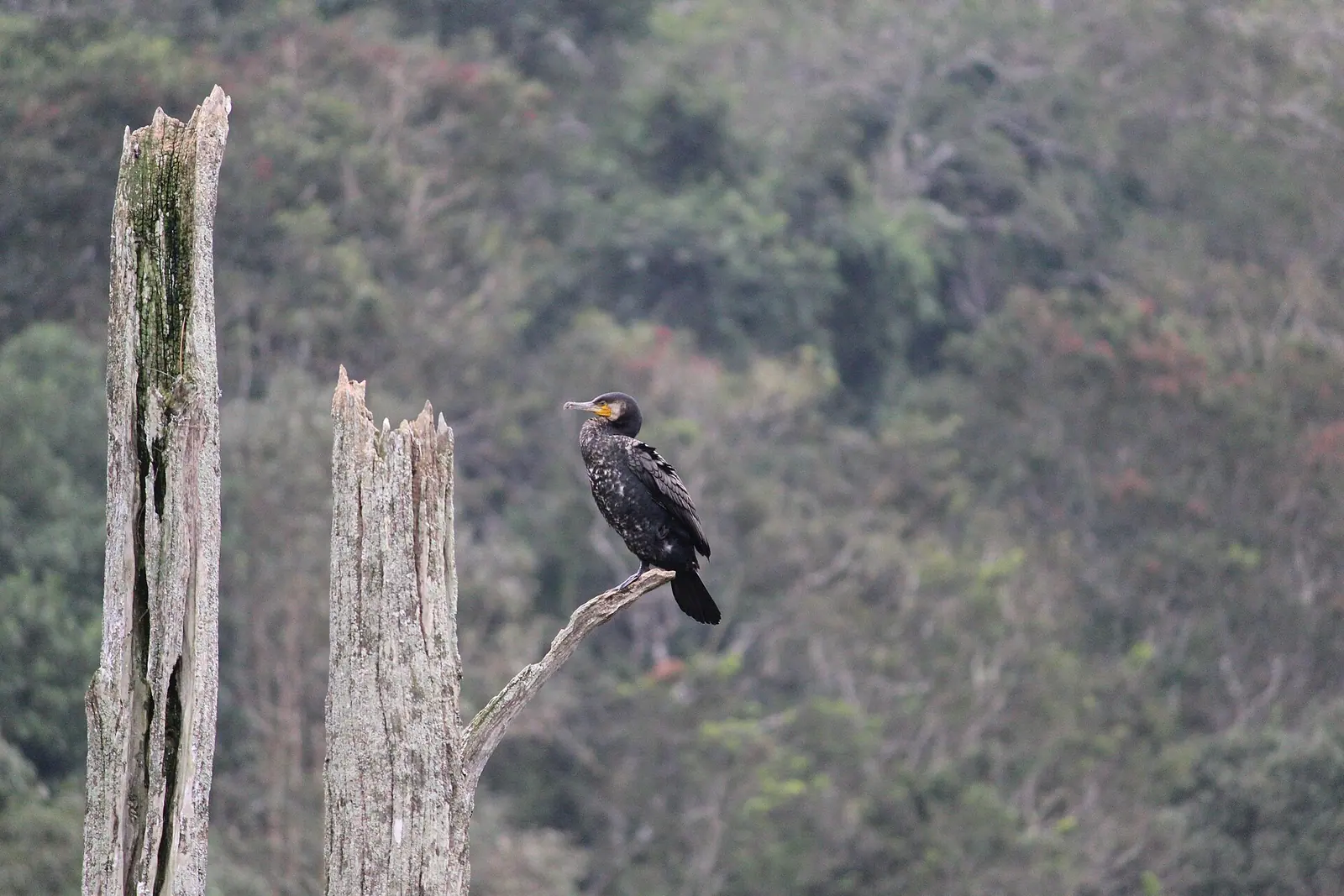
Gavi. A forest eco-camp on the edge of Periyar, reached by a winding road and limited by permit.
Destination in this story
 WildlifeGaviPathanamthitta
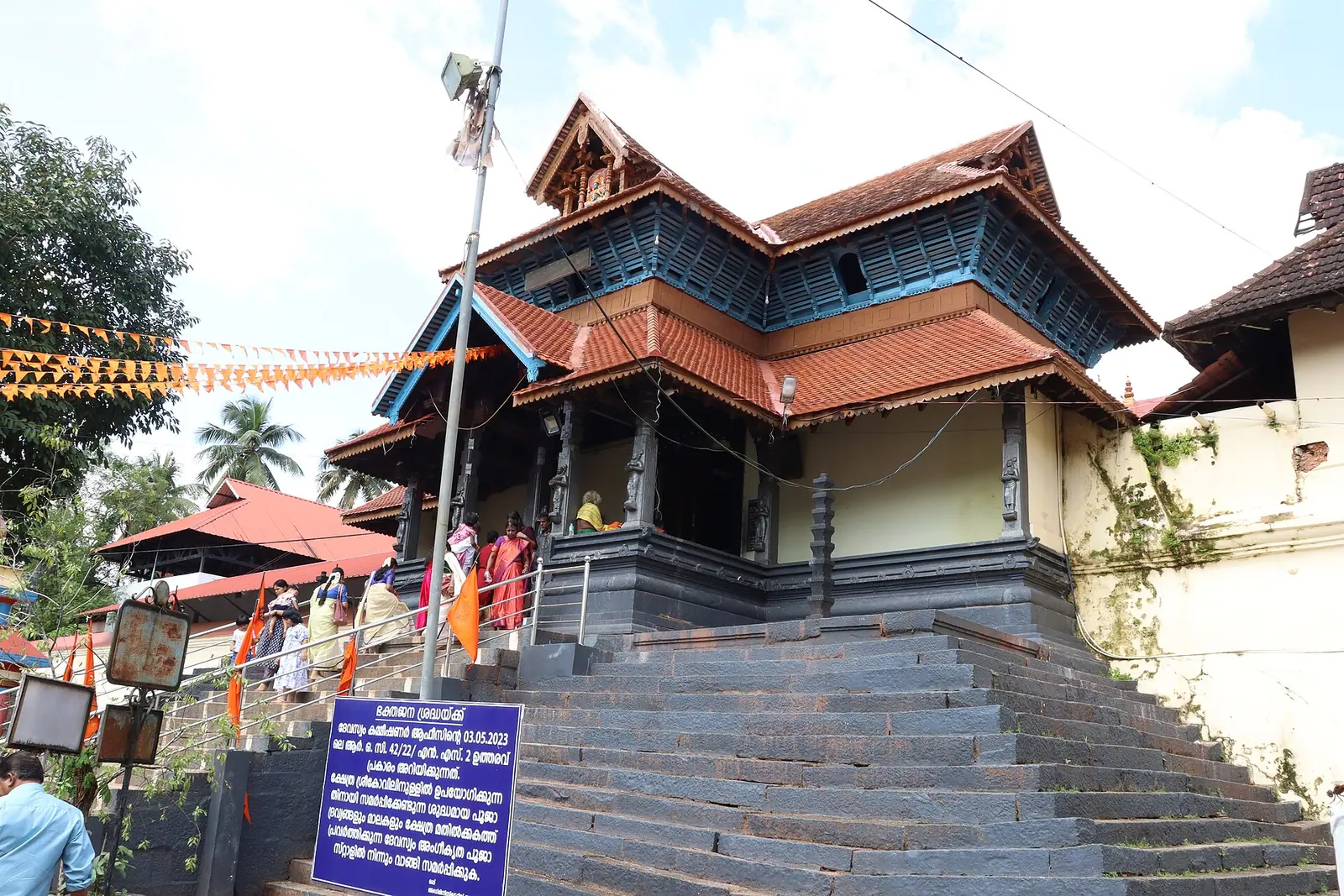
Aranmula. A temple village famous for its metal mirrors and its long snake boats.
Destination in this story
 VillageAranmulaPathanamthitta
Practical notes
- Look for the pale diagonal cuts on the trunks and the small collecting cups wired below them.
- Tapping happens early; by mid-morning the work is mostly done.
- Never enter a holding without the owner's permission — the trees and the schedule are private.
- Ask before photographing a tapper at work.
- The smell of a smoking shed is one of the district's signatures; it is not a reason to walk in.
Common questions
- Why does Kerala grow so much rubber? The tree needs deep soil, steady heavy rainfall, warmth and no frost. Kerala's midlands provide all four, and the crop spread through smallholdings rather than estates.
- Why is tapping done so early? Latex flows best in the cool, humid hours before the day heats up, and the bark must be dry. Rain ruins a cut, so the work is timed to the weather.
- Can you visit a rubber plantation? Not as a visitor attraction. Some homestays will show guests their own trees; otherwise view the holdings from the road and respect private land.
Plan this trip
Planning a trip to Rubber country, Pathanamthitta?
There is no mapped record for Rubber country yet, so no route is drawn. The planner opens with Rubber country named, and a person can check what is actually there.
PLAN TRIP HERE CONTACT US TO ARRANGE THIS TRIPA trip-arrangement request, not a booking. Nothing is confirmed or charged here.
Sources & notes
- Kerala Tourism — official state tourism portal · checked 2026-10-22
- Wikipedia — place and history reference · checked 2026-10-22
- Kerala Tourism — Pathanamthitta district · checked 2026-10-22
Last updated 4 November 2026. Prices, opening hours and transport should be confirmed with official sources before travel.
Hello Kerala Publisher
Hello Kerala's editorial desk.
Found an error or an outdated detail?
Tell us