Culture
Thrissur Pooram: how to watch Kerala's biggest festival
A temple festival built around percussion, parasols and a very large crowd. What actually happens, how to read the programme, and how to be a good guest in the middle of it.
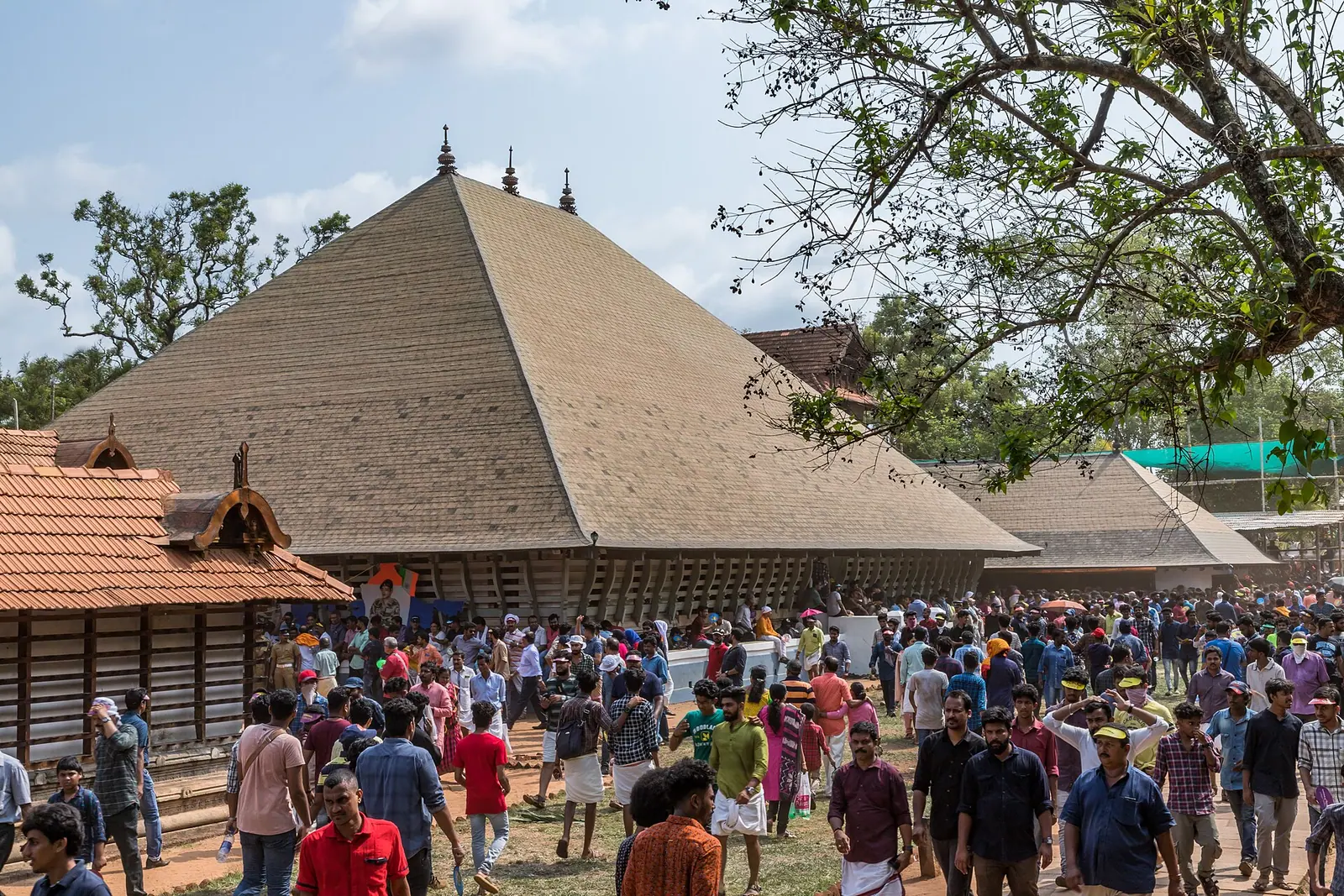
Thrissur Pooram is not a music festival with a temple attached. It is a temple festival that happens to contain some of the most spectacular percussion and procession in India. The difference matters. The crowds are congregations, the schedule is ritual, and the best moments are not announced on a stage but emerge from the movement of two competing temple parties through the streets around Vadakkunnathan.
If you arrive expecting a ticketed concert, you will spend the day confused and hot. If you arrive willing to stand, wait, follow the sound and accept that you will miss things, it can be one of the great travel experiences in South Asia.
What Pooram actually is
The festival is centred on Vadakkunnathan Temple, one of Kerala's oldest and most important Shiva temples. The main participants are the neighbouring temples of Paramekkavu and Thiruvambady, whose processions meet at Vadakkunnathan in a day-long exchange of music, elephants, parasols and ritual honour. The competitive element is real but ceremonial: each side tries to surpass the other in the quality and scale of its display, and the crowd is there to witness the contest.
The percussion is the heart of it. Chenda ensembles, panchavadyam and the massed drumming that accompanies the processions build over hours rather than arriving all at once. The parasol exchange, when brightly coloured umbrellas are raised and rotated in sequence, is the visual set piece. Fireworks, once central, are now subject to environmental and safety restrictions; do not plan a trip solely around them.
When it happens
Pooram falls in the Malayalam month of Medam, which usually corresponds to April or May in the Gregorian calendar. The exact date moves each year because it is set by the lunar calendar and local ritual calculation. That means there is no fixed annual date to book around, and any website that gives one without a year is telling you very little.
Confirm the date with Kerala Tourism, the temple or a local contact before making plans. The main day is long, beginning in the morning and running late into the night, with different phases at different locations. Ask which part of the programme your host or hotel recommends; trying to see all of it on foot in the heat is unrealistic.
Standing in the crowd
The centre of Thrissur becomes pedestrian and extremely crowded. Roads close, vehicles are diverted and the distance between two points that looks short on a map can take an hour. Stay within walking distance of the temple if you can, or accept that you will be dropped some distance away and walk in. Bring water, a hat and patience; the heat is a bigger practical problem than any security concern.
- Wear light cotton and comfortable shoes you can stand in for hours.
- Keep your phone and wallet in a zipped bag in front of you, not a back pocket.
- Do not climb walls, trees, barricades or temple structures for a better view.
- Follow the directions of police and temple volunteers, even when the route seems illogical.
- Ask before photographing performers or worshippers at close range, and never step into a procession to get a shot.
- Expect limited access to toilets, food and seating; plan around it rather than complaining about it.
The rest of Thrissur
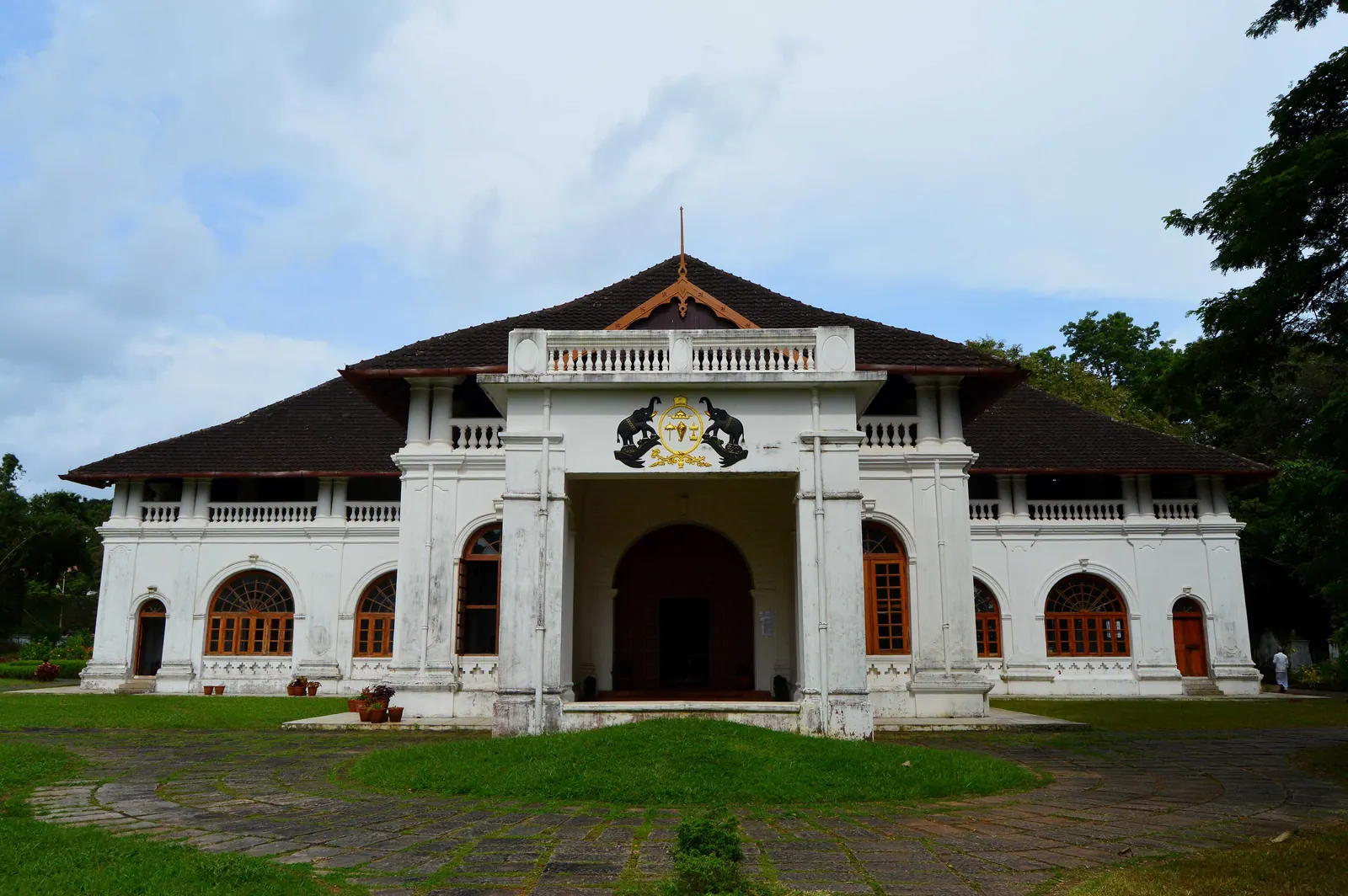
Pooram is the reason many visitors come, but the town is worth a day of its own. Vadakkunnathan's stone walls and quiet inner courtyards are a different world from the festival crowd, and the surrounding round is one of the few planned urban set pieces in Kerala. The archaeological museum at Shakthan Thampuran Palace, the churches and the food scene fill the gaps between festival events.
If you can, stay a day after Pooram. The clean-up is a spectacle of a different kind, the streets return to their normal rhythm, and you get to see the town without the temporary city that the festival builds around it.
Sources & notes
- Kerala Tourism — official state tourism portal · checked 2026-10-22
- Wikipedia — place and history reference · checked 2026-10-22
Last updated 24 October 2026. Prices, opening hours and transport should be confirmed with official sources before travel.
Hello Kerala Publisher
Hello Kerala's editorial desk.
Found an error or an outdated detail?
Tell us