Heritage
Shakthan Thampuran Palace and the archaeology of Thrissur
A late-18th-century palace with Dutch windows, Kerala roofs and a museum of stone, bronze and coins. The quietest way to understand how Thrissur became a city.
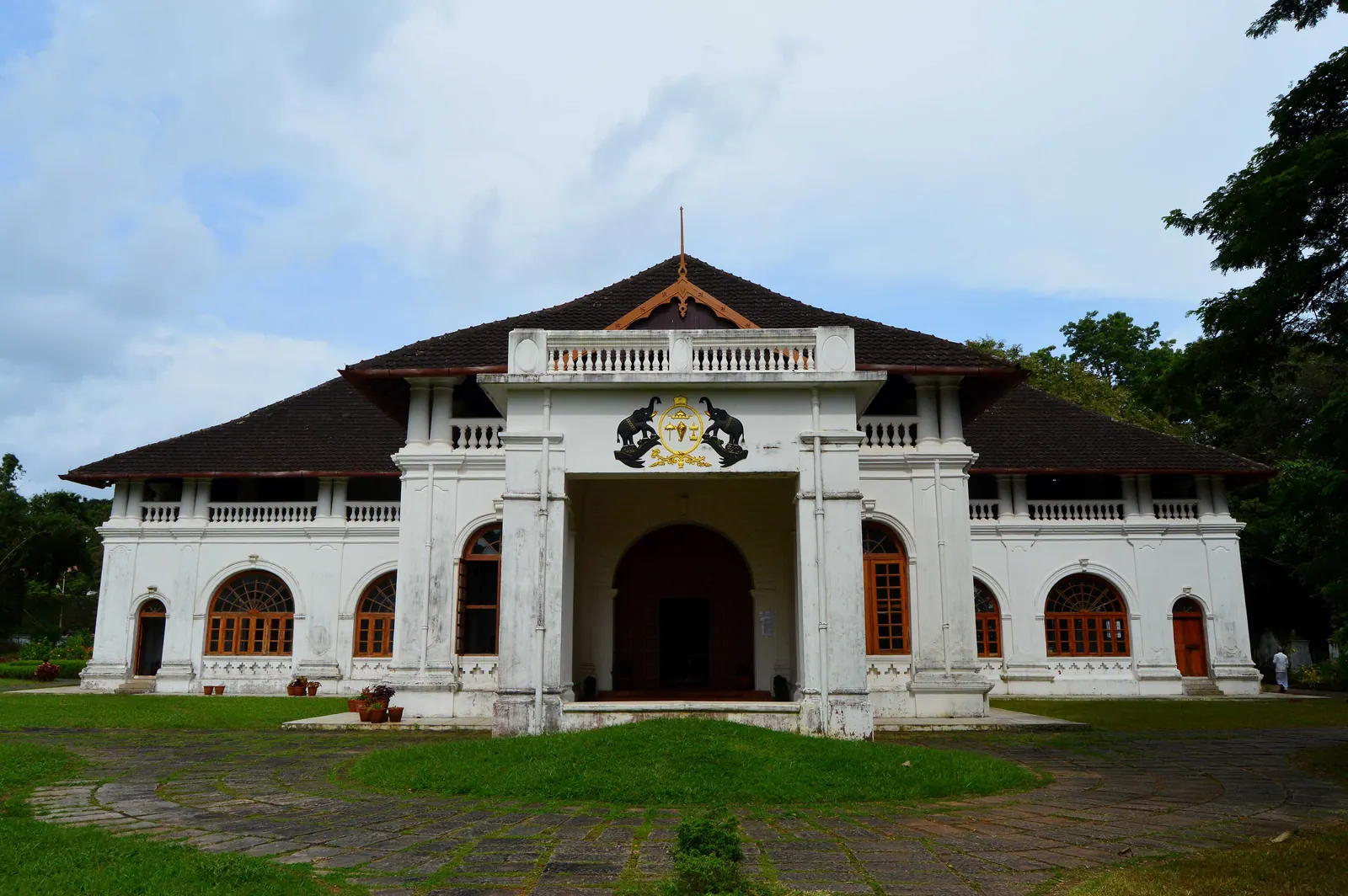
Thrissur's festival reputation can drown out its quieter institutions. Shakthan Thampuran Palace is the best of them: a low, whitewashed building with deep verandahs, tiled roofs and a courtyard plan that owes something to Kerala's nalukettu tradition and something to the Dutch traders who were in Cochin long before the British. It is now a museum, and on a weekday morning you may have it almost to yourself.
The ruler behind the name
Shakthan Thampuran, also known as Rama Varma, ruled the Kingdom of Cochin from the late eighteenth century until his death in 1805. He is remembered for moving the capital from Thripunithura to Thrissur, for reorganising the state's administration and revenue, and for his association with the founding of Thrissur Pooram. He is a genuinely consequential figure in the city's history, not just a name on a gate.
The palace is usually dated to his reign, although the site and the building have been altered over time. Its architecture is a useful reminder that Kerala was never isolated: the timber roofs and courtyards are local, the arched windows and some of the planning reflect European influence, and the whole thing sits comfortably between the two rather than choosing one.
What is inside
The museum's collection is archaeological rather than decorative. Expect megalithic stone objects, temple sculpture, bronze figures, coins, terracotta and assorted fragments from excavations around the region. The labels are informative but not exhaustive, and the presentation is old-fashioned. That is part of the appeal: it feels like a regional museum rather than a designed visitor experience.
Allow an hour. The rooms are not large, but the collection rewards slow looking, particularly the stone and bronze pieces. If you have come from Vadakkunnathan or the Pooram crowds, the contrast in pace is the point. Check which galleries are open; museums in Kerala sometimes close sections for maintenance without much notice.
- Start with the courtyard and the exterior; the building is as interesting as the cases.
- Look for the Dutch-style windows and the local roof structure, which are easy to miss.
- Read the object labels rather than walking past them; the regional context is the value here.
- Ask at the desk whether photography is allowed; rules vary between galleries.
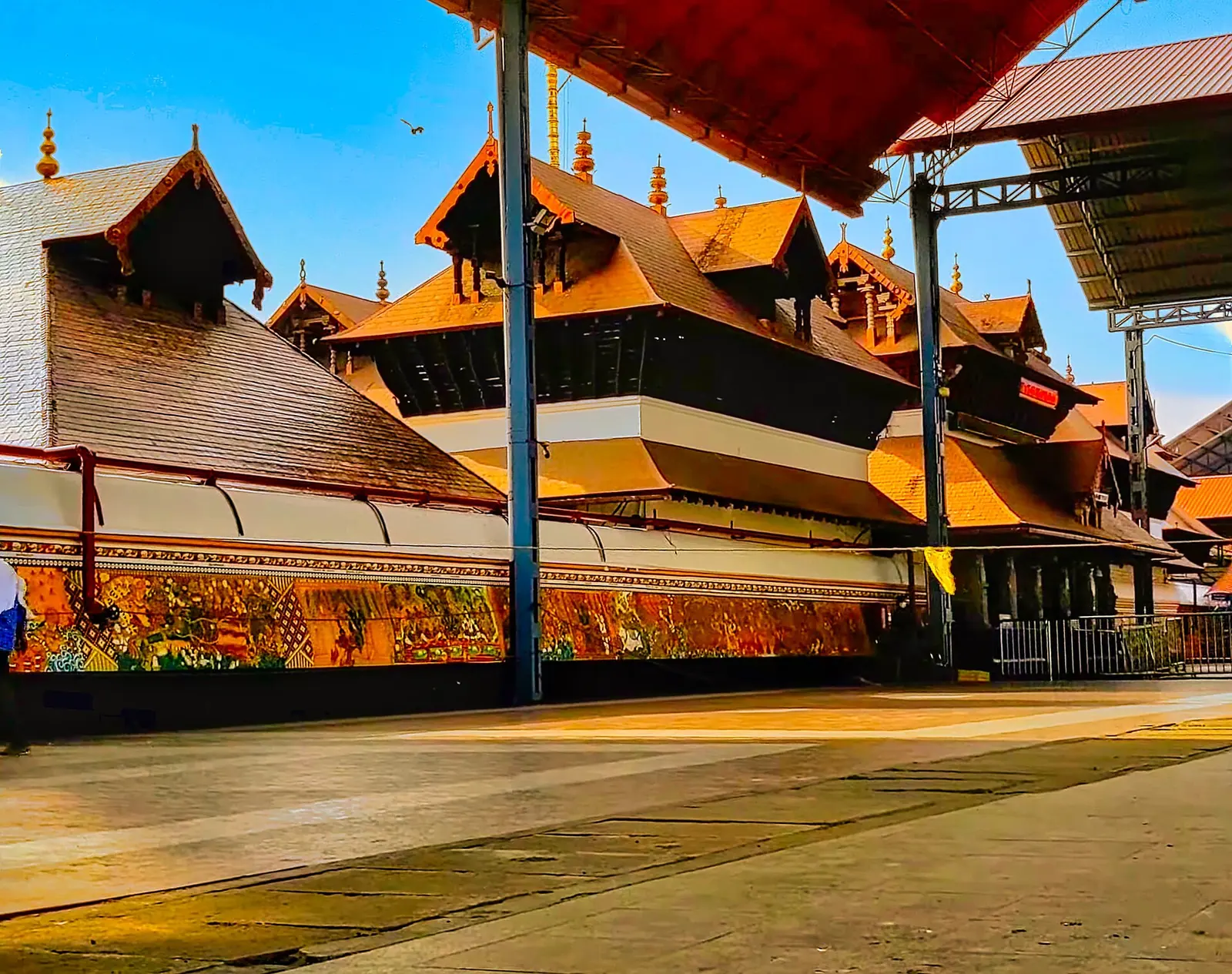
- Combine the visit with the nearby Vadakkunnathan temple and the Thrissur round.
The town around the palace
The palace sits close to the centre of old Thrissur, within walking distance of Vadakkunnathan and the round. That makes it an easy addition to a day that already includes the temple, rather than a separate excursion. The streets between them are busy, commercial and unpretentious, with shops selling everything from brass lamps to school uniforms.
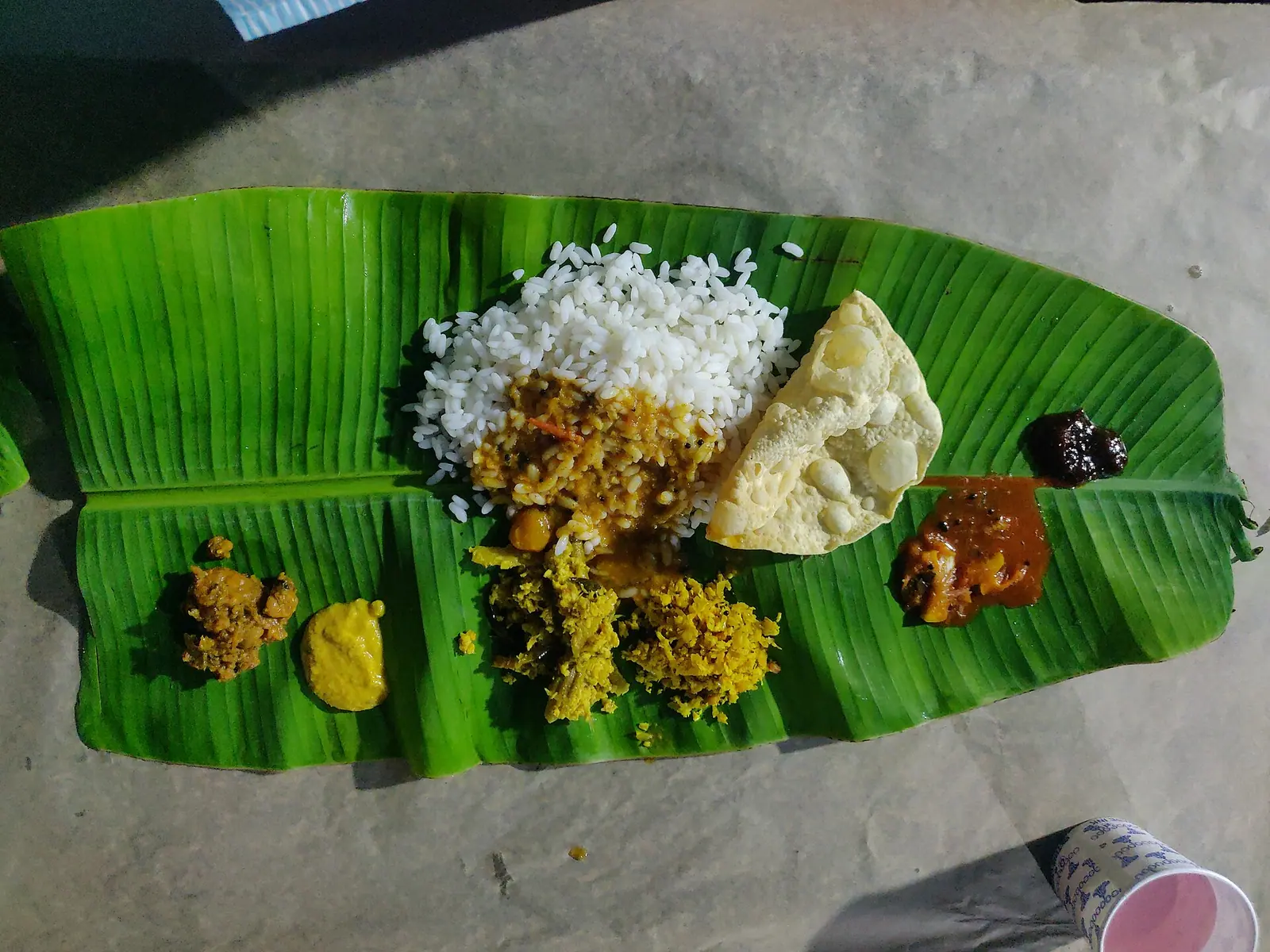
Thrissur is also a good place to eat. The town has a strong vegetarian and snack tradition, and the area around the round is full of places that have been doing the same few things for decades. Ask locally for a recommendation rather than following a generic list; the best meals are often in ordinary-looking rooms with plastic chairs.
Sources & notes
- Kerala Tourism — official state tourism portal · checked 2026-10-22
- Wikipedia — place and history reference · checked 2026-10-22
Last updated 24 October 2026. Prices, opening hours and transport should be confirmed with official sources before travel.
Hello Kerala Publisher
Hello Kerala's editorial desk.
Found an error or an outdated detail?
Tell us