Heritage
Guruvayur: a temple town guide for first-time visitors
One of Kerala's most important Krishna temples, a strict dress code, an elephant sanctuary and a town that runs on pilgrimage. What to expect before you arrive.
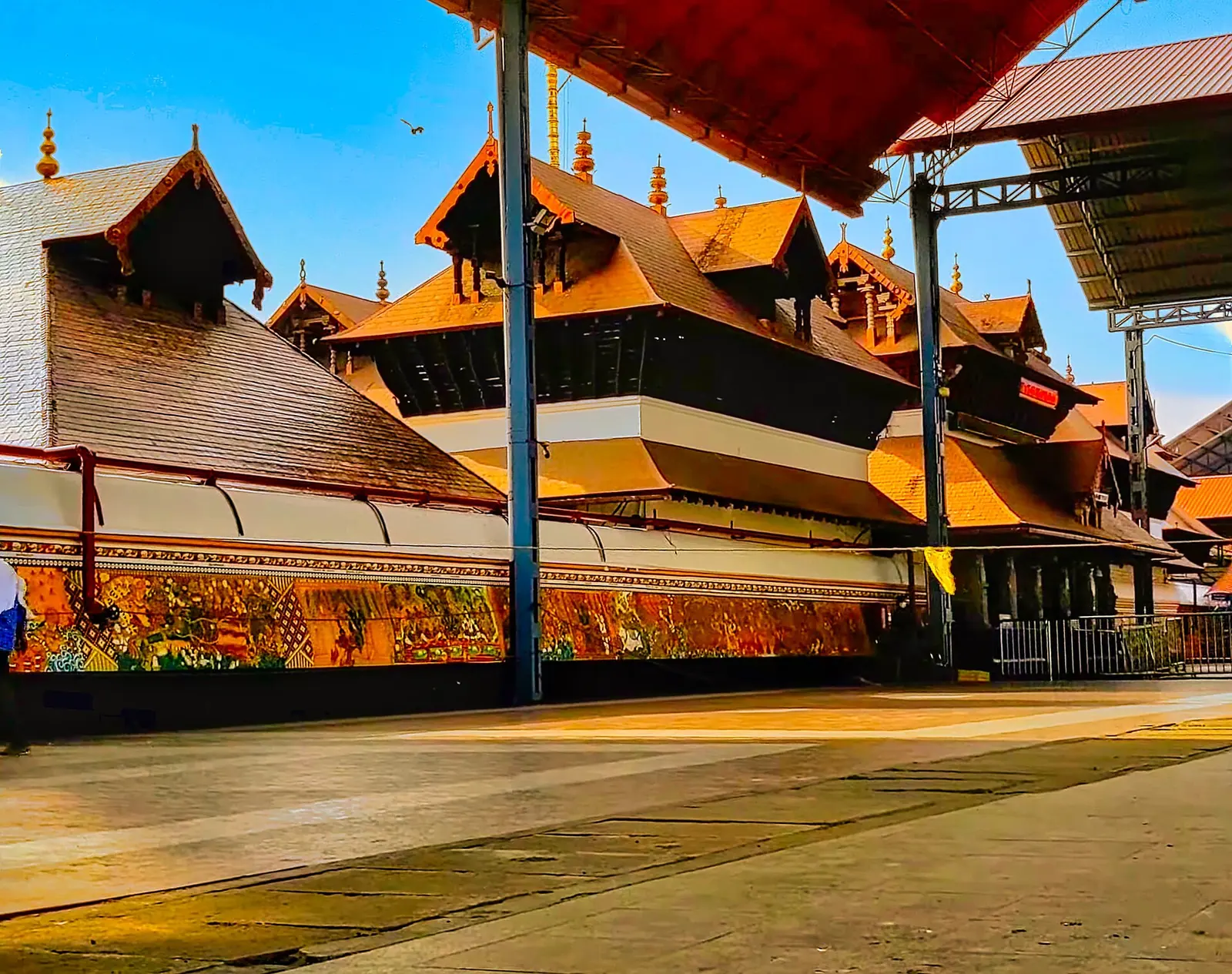
Guruvayur is a small town in Thrissur district that functions, in practice, as one large temple precinct. The streets around the shrine are lined with flower sellers, provision shops, lodges and restaurants feeding pilgrims, and the rhythm of the day is set by the temple's ritual calendar rather than by tourism. It is one of the most visited pilgrimage sites in Kerala, and it feels like it.
The temple is dedicated to Guruvayurappan, a form of Krishna, and its reputation for healing and answered vows draws enormous numbers of devotees. For a visitor, the practical questions are simple: can I enter, what do I wear, how long will it take, and what should I avoid doing? Answering those honestly is more useful than another paragraph about the deity's legend.
Who can enter
Guruvayur is a Hindu temple, and by long-standing Devaswom practice non-Hindus are not admitted into the inner temple. This is stricter than some other major Kerala temples and it is not a rule that visitors should try to negotiate at the gate. If you are not Hindu, the town, the elephant sanctuary and the temple's exterior are still accessible, and the surrounding culture is worth the journey. Confirm the current position with the Devaswom before you travel, because access rules can be reviewed.
For Hindu visitors, the temple is usually busy and sometimes extremely so. Darshan queues can be long, and the experience is shaped by the crowd and the day. There is no shortcut that is worth the risk of being scammed; use the official queue and ignore anyone offering a faster route for cash.
Dress, security and the queue
The dress code is traditional and firmly enforced. Men wear a dhoti or mundu, generally without a shirt in the inner sanctum; women wear a saree or salwar kameez. Shorts, jeans, sleeveless tops and Western dresses are not appropriate. If you arrive unprepared, there are shops near the temple that sell or hire the correct clothing, and changing facilities. Treat this as part of the visit rather than an inconvenience.
- Leave phones, cameras and large bags at your accommodation or in the official cloakroom.
- Expect a security check and allow extra time for it.
- Carry a small amount of cash for offerings and shoe storage; do not carry valuables into the queue.
- Keep your voice low in the courtyard and do not use flash even where photography is permitted.
- Do not touch the temple walls, carvings or offerings; many are actively in use.
- If you are unsure about a ritual, watch first and ask a volunteer rather than imitating someone at random.
Punnathurkotta and the elephants
About three kilometres from the temple, Punnathurkotta is a former palace compound that serves as the temple's elephant sanctuary. The animals are kept for temple rituals and are cared for by mahouts; visitors can see them from a designated area. It is a sobering place as much as a moving one, and the welfare of captive elephants is a legitimate concern rather than a topic to avoid.
If you go, keep your distance, do not tease or feed the animals, and do not treat the compound as a petting zoo. The sanctuary is a working facility, not a show. Photography is usually permitted from the path, but check at the gate and respect any restriction.
The town around it
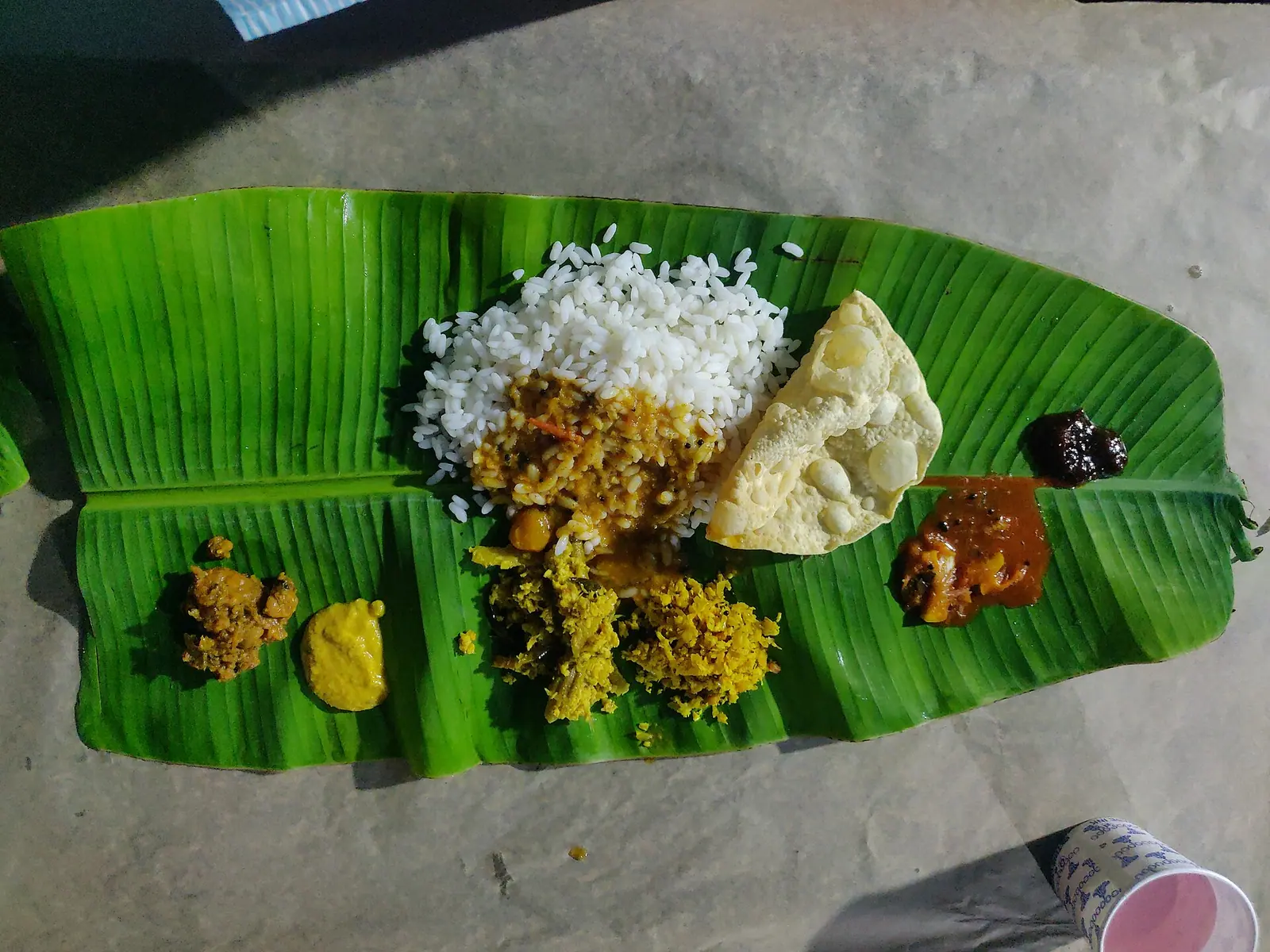
Guruvayur's food is pilgrimage food: simple vegetarian meals, banana-leaf lunches, payasam and tea. The town is also known for its snack shops and for the sheer volume of flower and provision stalls around the eastern entrance. Walk a few streets away from the temple for calmer, cheaper meals; the immediate ring is convenient but not the best value.
The town is well connected by road and rail to Thrissur and the rest of Kerala, and it works as a half-day stop rather than a destination in its own right. Combine it with the archaeological museum and Pooram sites in Thrissur, or with a slow drive through the paddy country towards the coast.
Sources & notes
- Kerala Tourism — official state tourism portal · checked 2026-10-22
- Wikipedia — place and history reference · checked 2026-10-22
Last updated 24 October 2026. Prices, opening hours and transport should be confirmed with official sources before travel.
Hello Kerala Publisher
Hello Kerala's editorial desk.
Found an error or an outdated detail?
Tell us