Wildlife
Peechi-Vazhani: a wildlife sanctuary within reach of Thrissur city
A reservoir, a dry forest and a sanctuary that most visitors to Kerala never hear about. What a day here actually involves, and why the animals are not the point.
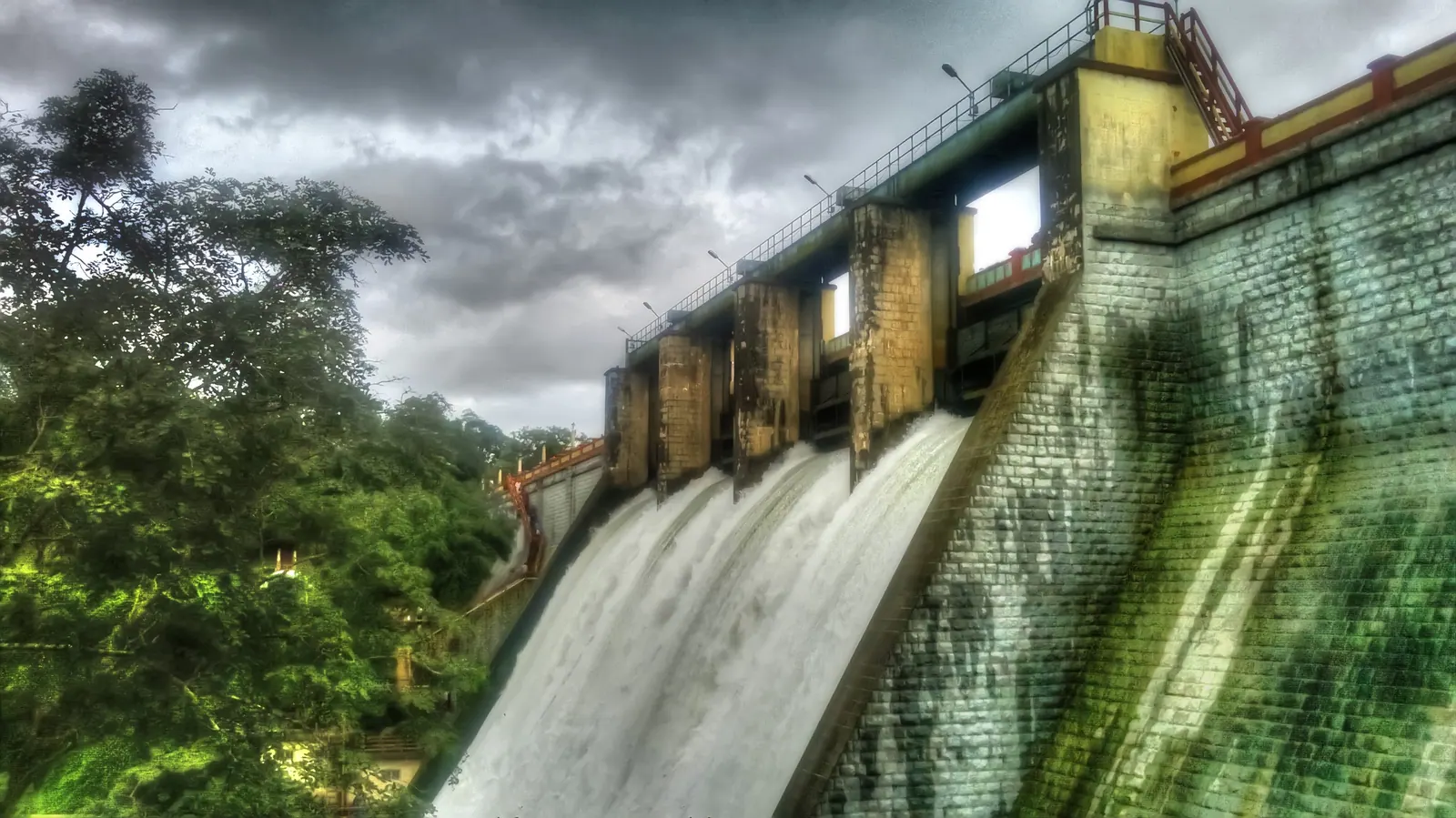
Peechi is what a lot of Indian wildlife sanctuaries actually look like: a reservoir, a forested catchment, a few roads, a checkpost and a great deal of space in which animals may or may not choose to appear. It is not a zoo and it is not a safari park. It is a protected landscape on the edge of a working city, and that is precisely what makes it interesting.
The dam and the sanctuary sit about 20 kilometres east of Thrissur, close enough for a half-day trip. The reservoir is the visual anchor, held between low, scrubby hills that turn green with the monsoon and brown in the dry months. The forest around it is classified as dry deciduous and moist deciduous, with teak, rosewood and bamboo in the mix.
The dam and the reservoir
Peechi Dam was built across the Manali river in the mid-twentieth century to provide irrigation and drinking water, and it remains a working piece of infrastructure rather than a tourist attraction first. The reservoir is wide and calm, with a garden and viewpoints near the dam wall. On a clear evening the light is lovely; on a weekend the car park is full.
Boat rides on the reservoir have operated on and off over the years. Do not build a trip around them without checking; when they run, they are a pleasant way to see the water and the forest edge, not a wildlife cruise. If the boats are not running, the dam area and the surrounding walks are still worth the drive.
The sanctuary
Peechi-Vazhani Wildlife Sanctuary was declared in the late 1950s and covers a substantial block of forest around the catchment. It holds elephant, gaur, deer, wild boar and a long list of birds, reptiles and smaller mammals. Sightings are a matter of luck and season. The forest is dense in places and the animals have no obligation to be near the road.
Visiting the sanctuary proper usually means arranging permission and, often, a guide through the Forest Department. Do not assume you can walk in on your own. The checkpost is there for a reason, and the rules about vehicles, plastic and noise are not optional. If you are coming for a specific trail, confirm it is open before making the journey.
- Go early or late; the middle of the day is hot and quiet.
- Carry binoculars if you have them. This is a place for looking, not chasing.
- Wear closed shoes and long trousers; the undergrowth is thorny in places.
- Do not play loud music or use a drone without written permission.
- Take your litter with you; the reservoir is a drinking-water source for the region.
- Accept that a sighting-free day is a normal day, not a failed one.
Practical expectations
Facilities are basic. There are few places to eat near the dam, limited shade and no guarantee of a guide at short notice. Bring water, snacks and cash. The road from Thrissur is straightforward but slow in patches, and the last stretch narrows as it approaches the dam.
The monsoon changes the visit completely: the reservoir fills, the forest thickens and some access routes close. The dry months are easier for walking but harder on the landscape. Either can be good, as long as you are not expecting a guaranteed elephant encounter.
Sources & notes
- Kerala Tourism — official state tourism portal · checked 2026-10-22
- Wikipedia — place and history reference · checked 2026-10-22
- Kerala Forest Department — protected areas, permits and ecotourism · checked 2026-10-22
Last updated 24 October 2026. Prices, opening hours and transport should be confirmed with official sources before travel.
Hello Kerala Publisher
Hello Kerala's editorial desk.
Found an error or an outdated detail?
Tell us