Heritage
St Angelo Fort: a Portuguese fort in a Malabar harbour
The laterite walls above Moppila Bay have passed through Portuguese, Dutch, Arakkal and British hands. A short visit explains four centuries of north Malabar trade.
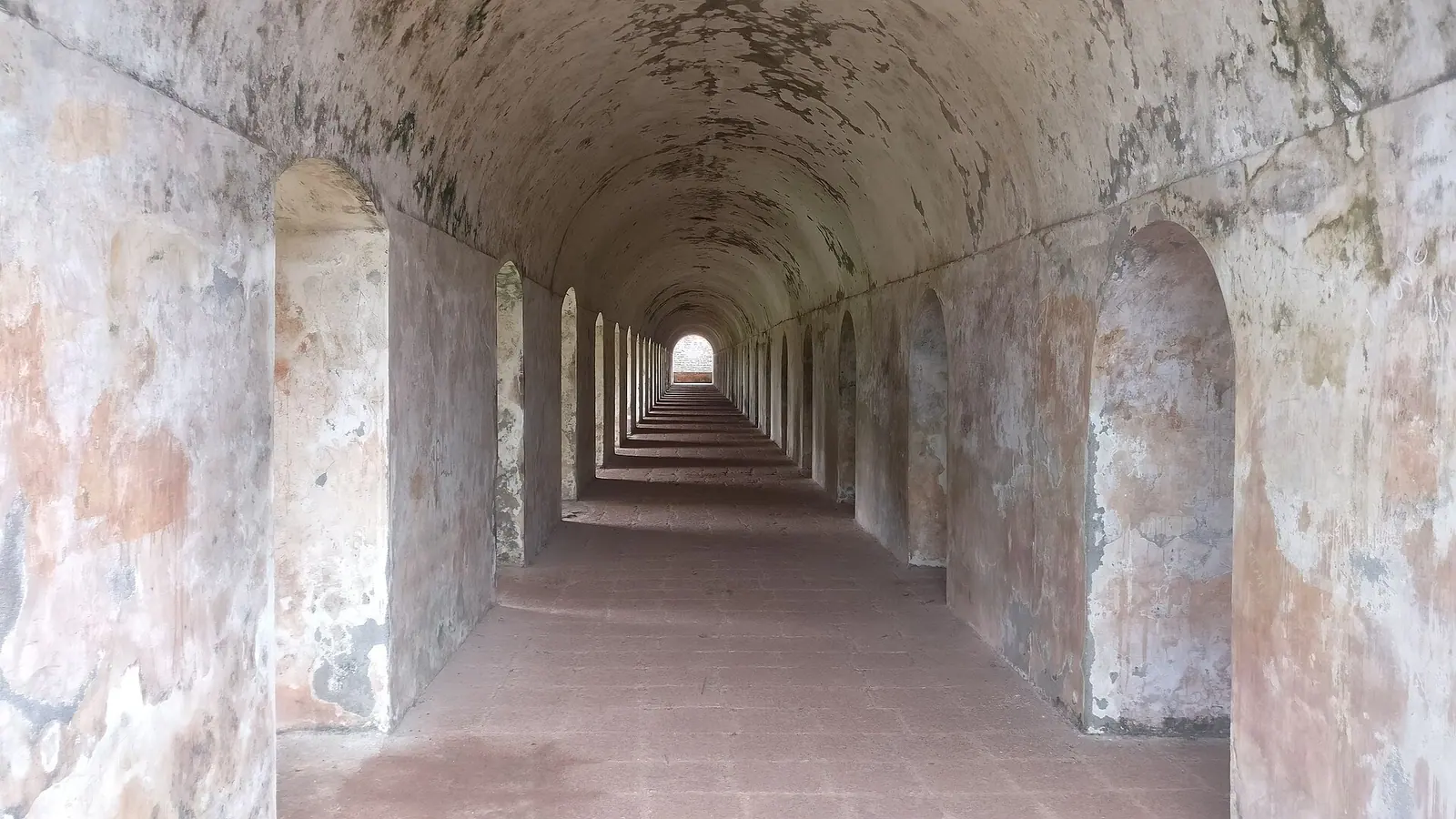
St Angelo Fort sits on a low headland north of Kannur town, with the Arabian Sea on one side and the fishing harbour of Moppila Bay on the other. It is not a large fort, and it does not need to be. The walls, the sea and the layered history do most of the work.
The Portuguese built it in the early sixteenth century, when they were establishing fortified trading posts along the Malabar Coast. It passed to the Dutch in the seventeenth century, then to the Arakkal kingdom, and finally to the British, who used it as a military base and later as a jail. Each of those regimes repaired, extended or reused the same laterite shell, which is why the fort feels less like one building than a sequence of decisions.
What to see
The main pleasure is walking the ramparts. The walls are thick, the drop to the sea is real, and the view takes in the harbour, the fishing boats, the palms and, on a clear day, the coast running north. There is a small lighthouse nearby, a chapel, a well and a few barracks-like structures inside the enclosure. None of it is heavily interpreted, so bring your own curiosity rather than expecting a museum.
Look at the stone. The laterite is soft when quarried and hardens in the air, which is why so much of coastal Kerala is built from it. The fort's walls show repairs in different sizes and colours, and the sea has eaten into some sections. Conservation is an ongoing job, and parts of the site may be closed off while work is done.
The harbour below
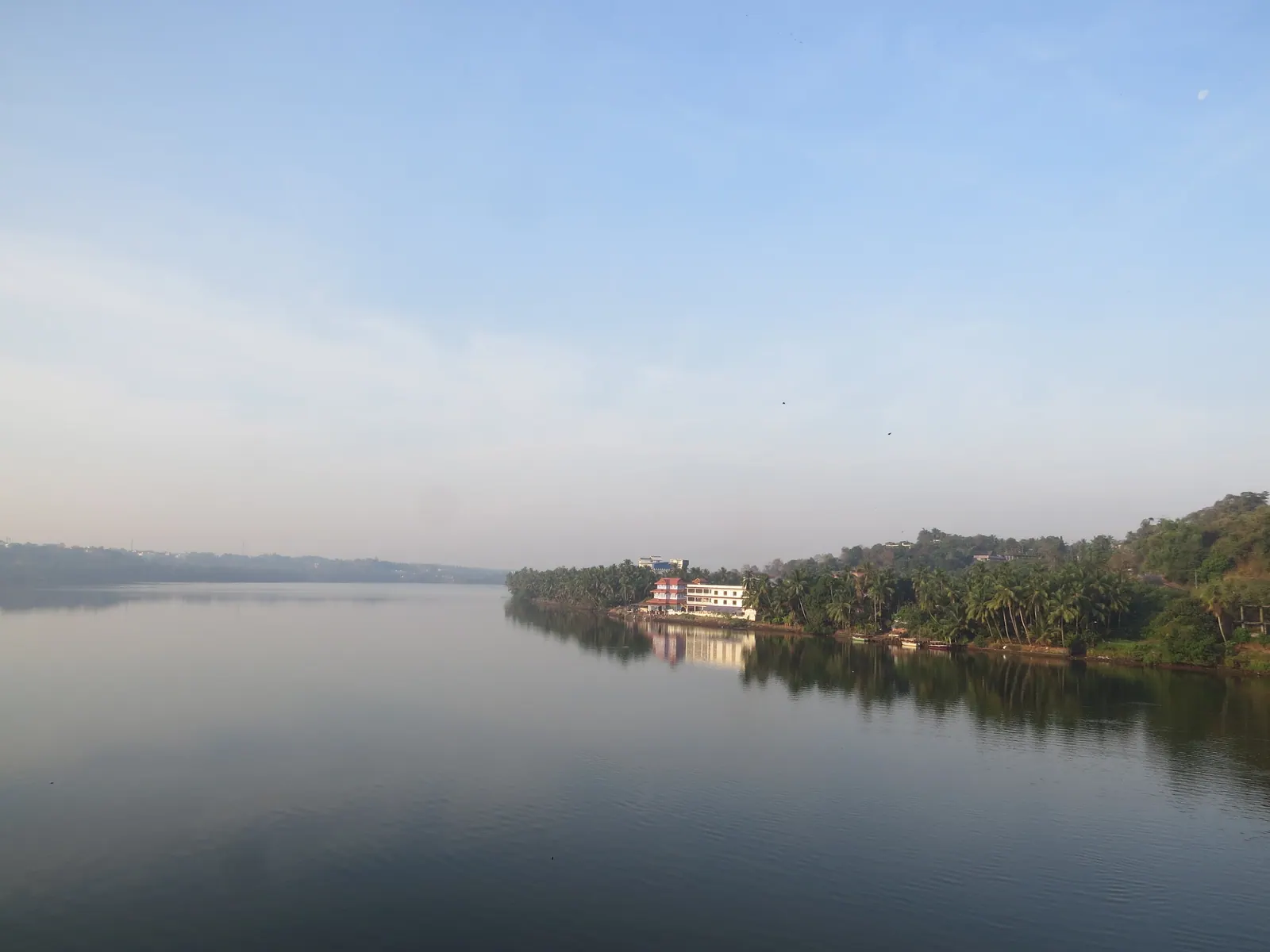
Moppila Bay is a working harbour, not a marina. Fishing boats come and go, nets are repaired on the quay, and the smell of fish is part of the experience. It is worth walking down to the water after the fort, but keep out of the way of vehicles and do not photograph people at work without asking.
The fort is also close to Kannur town, the Arakkal Museum and the Theyyam shrines of the hinterland. It works well as the first stop on a day that moves from the coast to the cultural interior, rather than as a destination on its own.
- Go early or late; the ramparts have little shade.
- Wear shoes with grip; the laterite paths are uneven and slippery after rain.
- Carry water and a hat.
- Allow an hour to ninety minutes, including the harbour.
- Check whether the lighthouse or chapel is open on the day.
A note on the history
The fort's story is inseparable from the spice trade. Pepper from the hills behind Kannur was one of the most valuable commodities in the world, and control of the coast meant control of that trade. The Portuguese, Dutch and British were not interested in the fort for its architecture. They wanted the harbour, the pepper and the ability to tax both.
That history is also a history of violence and dispossession, including the displacement of local communities and the suppression of rivals. A visit can acknowledge that without turning a pleasant afternoon into a lecture. The fort is both a monument and a reminder of what trade routes cost.
Sources & notes
- Kerala Tourism — official state tourism portal · checked 2026-10-22
- Wikipedia — place and history reference · checked 2026-10-22
Last updated 24 October 2026. Prices, opening hours and transport should be confirmed with official sources before travel.
Hello Kerala Publisher
Hello Kerala's editorial desk.
Found an error or an outdated detail?
Tell us