Wildlife
Shendurney: the rainforest behind Kollam's backwaters
The sanctuary in the Agasthyamalai hills is one of Kerala's least visited forests. What a visit involves, why permits matter, and how to behave in a rainforest.
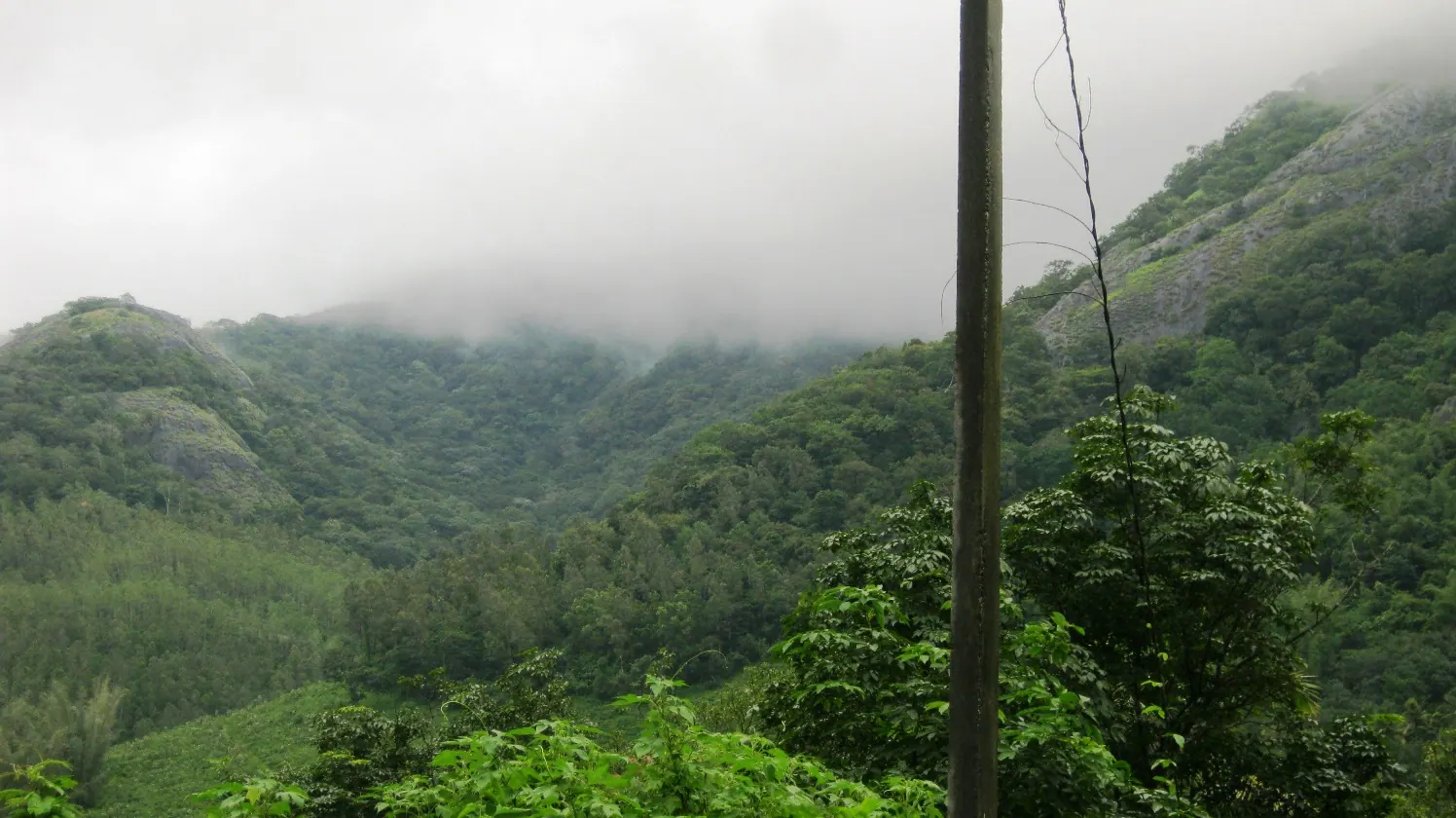
Shendurney is not a safari park. It is a protected rainforest in the Agasthyamalai hills, and most visitors see only its edge. The sanctuary lies in Kollam district, close to Thenmala, and forms part of the Agasthyamalai Biosphere Reserve. Its importance is ecological rather than scenic in the postcard sense: evergreen and semi-evergreen forest, steep ridges, and a river system that feeds the lowlands.
That makes it a place to visit with a guide and a permit, not a place to wander into. The Forest Department controls access, and the rules are not decorative. If you turn up expecting a self-guided loop, you will probably be turned away or confined to a small area near the dam.
What a visit looks like
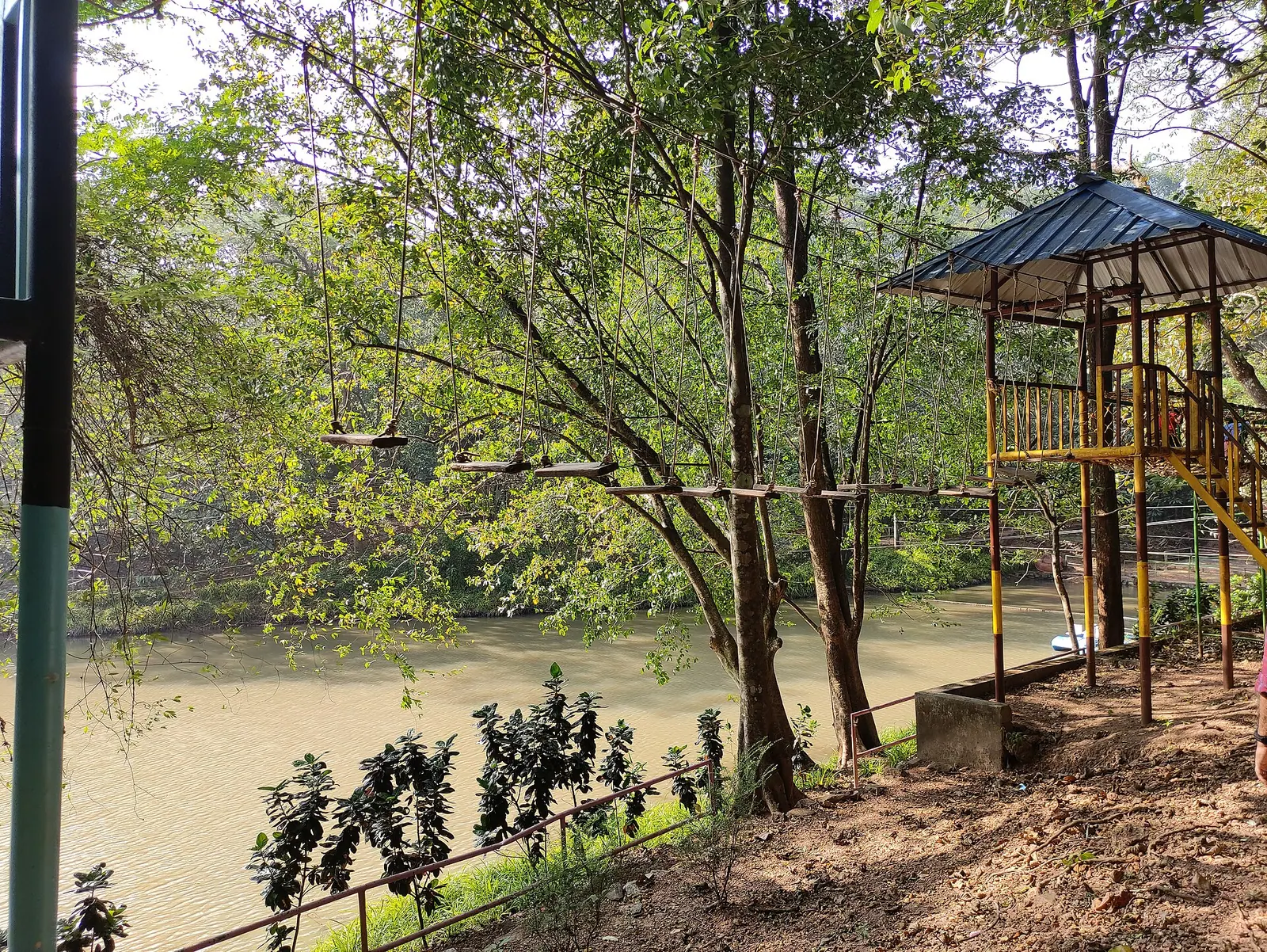
The usual entry point is through Thenmala, where the eco-tourism office can explain what is currently permitted. Options may include a short guided walk, a boat ride on the reservoir, or a longer trek with forest staff, depending on the season and staffing. None of these should be assumed. The reservoir itself is a striking sight: a wide sheet of water held between forested ridges, with the dam at one end.
Wildlife is present but not guaranteed. The sanctuary is part of a larger elephant and tiger landscape, and the forest supports hornbills, langurs, squirrels and a long list of amphibians and reptiles. Your chance of seeing large mammals on a short walk is low; your chance of hearing frogs, insects and birds is high. Treat that as the experience rather than a consolation prize.
- Wear long trousers and closed shoes; leeches are active in the wet months.
- Carry water, a rain layer and a torch, even on a day walk.
- Do not use playback or feed animals.
- Keep groups small and voices low.
- Follow the guide's route exactly; off-trail walking damages the understorey.
The leech question
During and after the monsoon, leeches are part of walking in these hills. They are not dangerous, but they are unsettling. Tucking trousers into socks, using a repellent around ankles and checking yourself afterwards helps. Do not burn leeches off with a lighter or apply salt to your skin; remove them gently or let them drop. If a bite keeps bleeding, clean it and cover it.
The monsoon also brings slippery rocks, leeches and sudden rain, and the forest department may close trails for safety. The dry months from December to March are easier, but the forest is at its most alive in the wet season. Neither is wrong; they are different trips.
Why it matters
Shendurney sits in a corridor of protected land that connects the southern Western Ghats. Its forests regulate water for the Kallada River and the towns below, and its biodiversity is part of what makes the Agasthyamalai landscape globally significant. Visiting it is a privilege, not a right, and the permit system exists because demand would otherwise outstrip the forest's capacity.
Do not treat the sanctuary as a backdrop for a photoshoot. Do not play music, fly drones without permission, or leave food waste. If you are lucky enough to see an animal, give it space and let it move away. The best forest visits are the ones where the forest is left as it was found.
Sources & notes
- Kerala Tourism — official state tourism portal · checked 2026-10-22
- Kerala Forest Department — protected areas, permits and ecotourism · checked 2026-10-22
- Wikipedia — place and history reference · checked 2026-10-22
Last updated 24 October 2026. Prices, opening hours and transport should be confirmed with official sources before travel.
Hello Kerala Publisher
Hello Kerala's editorial desk.
Found an error or an outdated detail?
Tell us