Wildlife
Kumarakom at dawn: birds, lake and the tourist machine
The bird sanctuary is small, the lake is enormous, and the resort strip is not the village. How to spend a morning at Kumarakom without expecting a zoo.
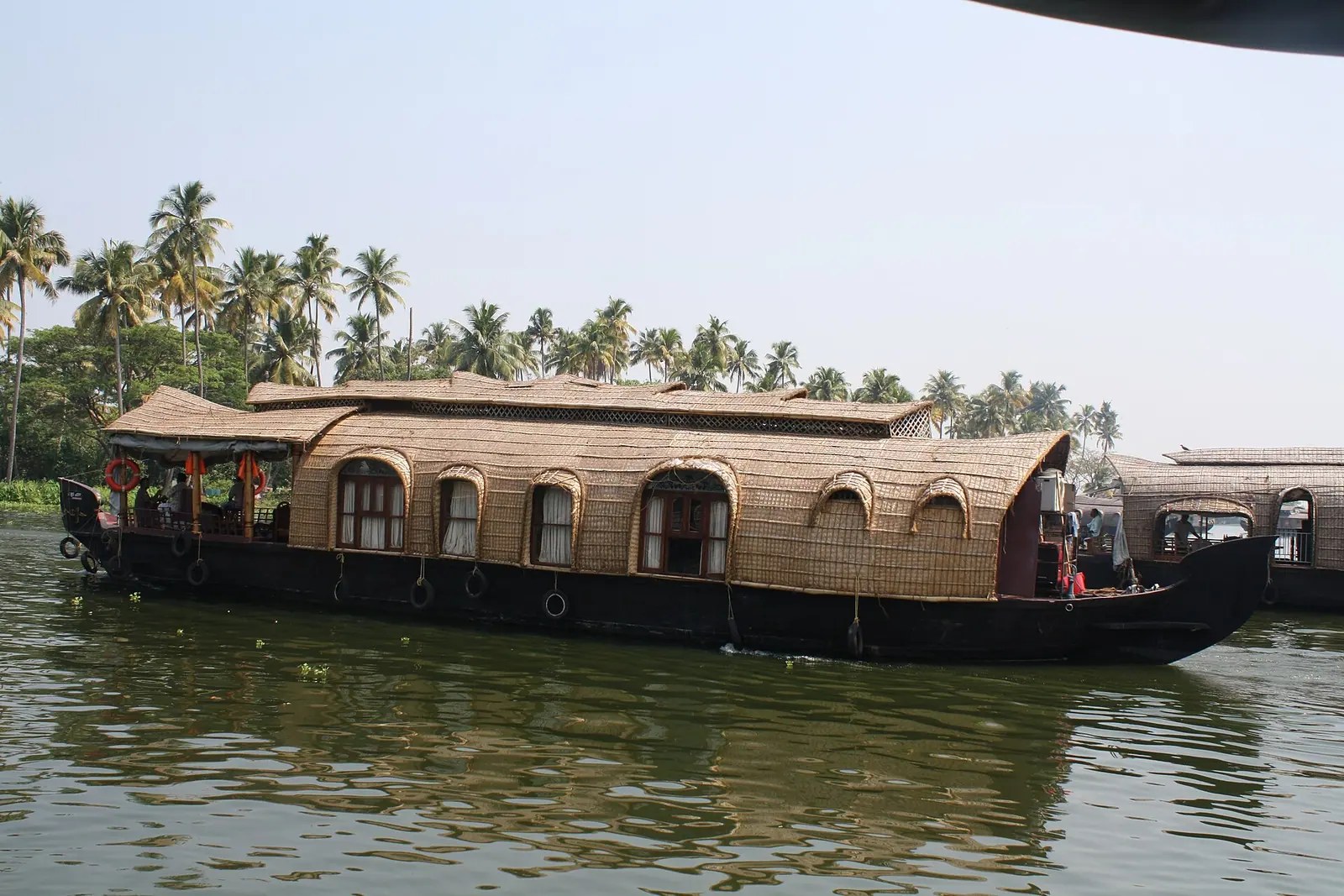
Kumarakom is a name that arrives with a photograph attached: a houseboat on still water, coconut palms, a sky turning gold. The photograph is accurate. What it leaves out is that Kumarakom is also a working lakeside village, a strip of resorts, and a small bird sanctuary that has been quietly doing its own thing since long before the houseboats.
What the sanctuary actually is
The sanctuary began on what was once a rubber estate, planted in the nineteenth century by a British planter named Baker. Over time the estate was allowed to return to wetland and woodland, and the result was protected as a bird sanctuary. It is small — you can walk the main paths in an hour — and it is not a place where animals are arranged for visitors. The birds are there because the habitat suits them, which means the list changes with the season, the water level and the time of day.
Expect herons, egrets, cormorants, darters and several kinds of kingfisher. In the cooler months, migrants from northern Asia join the resident population, and the lake margins become more active. In the monsoon the place is greener, quieter and considerably wetter, with fewer birds but a different kind of beauty. Anyone who promises a guaranteed sighting of a particular species is selling something.
The hour that matters
Dawn is the whole point. The light is soft, the paths are cool, and the birds are feeding rather than hiding. By mid-morning the sanctuary is warmer, the light is harder and the day visitors have arrived. If you stay on the lake, the advantage is being able to walk in before the road traffic builds. If you are coming from Kottayam town, leave early enough that you are at the gate around opening rather than an hour after it.
- Bring binoculars if you have them; a phone camera will not do the birds justice.
- Wear dull colours and walk slowly. Birds react to movement more than to sound.
- Do not use flash, and do not play recorded bird calls to pull birds closer.
- Mosquito repellent is sensible near the water, especially after rain.
- The paths can be muddy; sandals with grip are better than smooth shoes.
Lake, village and resort strip
The sanctuary sits beside Vembanad Lake, and the lake is the larger experience. A small boat trip from the Kumarakom side can take you through channels and past fishing nets, but the big houseboats tend to follow a fixed route and moor in convoy. The village itself — houses, churches, a school, small shops — is worth walking through, and it is where you will find the everyday life that the resort brochures smooth out. The two Kumarakoms coexist; they are not the same place.
A workable morning
Start with the sanctuary at first light. Walk the paths slowly, then find a spot near the water and stand still for ten minutes; more birds appear when you stop moving. Have breakfast afterwards, then take a small boat or a walk through the village. Save the houseboat for the afternoon or a separate day. Weekdays are calmer than weekends, and the Christmas–New Year period is the busiest of the year, so book both accommodation and boats well ahead if you are travelling then.
Kumarakom is often described as a luxury destination, and parts of it are. But the sanctuary, the village roads and the lake front are not exclusive, and a morning there costs very little beyond getting there. The trick is to arrive before the place performs for visitors and to let it be the ordinary wetland it is.
Sources & notes
- Kerala Tourism — official state tourism portal · checked 2026-10-22
- Wikipedia — place and history reference · checked 2026-10-22
- Kerala Forest Department — protected areas, permits and ecotourism · checked 2026-10-22
Last updated 24 October 2026. Prices, opening hours and transport should be confirmed with official sources before travel.
Hello Kerala Publisher
Hello Kerala's editorial desk.
Found an error or an outdated detail?
Tell us