Heritage
Rubber, printing presses and the making of Kottayam
Kerala's most literate district was built on latex, ink and churches. A guide to the layers beneath Kottayam town's unassuming centre.
Kottayam does not present itself as a heritage town. There is no restored old quarter, no ticketed circuit, no row of souvenir shops. It is a working district headquarters with a busy bus stand and a lot of churches. And yet the place is one of the best places in Kerala to see how the modern state was made: rubber, printing, mission schools and a Christian community with a very long memory all meet here.
Rubber made the landscape
Rubber arrived in Kerala in the early twentieth century and found the midlands around Kottayam almost perfectly suited to it. The tree needs heat, rainfall and well-drained slopes, and the district had all three. Plantations spread across the hills, and smallholdings followed, so that today the approach to Kottayam is a grid of grey trunks and slanted rain guards. Tapping happens in the early morning, when the latex flows; the smell of ammonia and rubber sheet hangs around collection sheds. The industry shaped roads, labour, politics and the look of the land, and it is still visible in the furniture workshops and rubber-based factories along the highway.
Ink and presses
Kottayam's other crop was print. Malayala Manorama, one of the oldest and largest Malayalam newspapers, was founded here in the late nineteenth century, and the town became a centre for publishing, bookshops and church-run education. The reason is partly religious and partly linguistic: the Syrian Christian churches here invested in schools and printing, and a reading public grew around them. The result is a town where a newspaper office is a landmark and where bookshops still matter. It is worth walking past the press buildings, not because they are beautiful, but because they explain the confidence of the place.
Churches, colleges and older stones
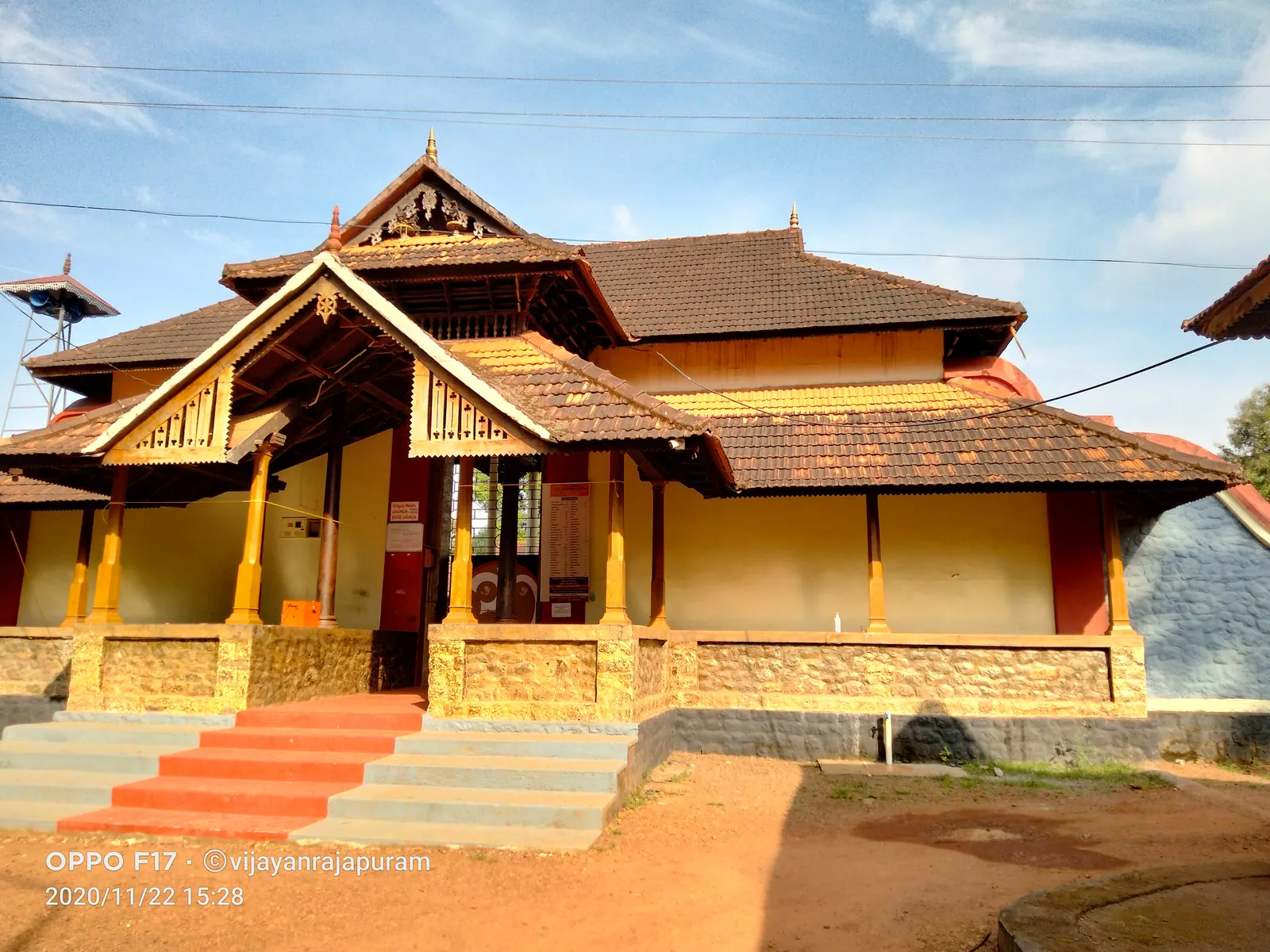
The district has some of the oldest Christian sites in India, and several churches in and around Kottayam are built on foundations that predate the Portuguese and the British. CMS College, founded in the early nineteenth century, is one of the oldest Western-style colleges in the country and still anchors the town's educational reputation. Older than all of it is the temple landscape: Thirunakkara Mahadeva temple in the town centre, and Vennimala, a hilltop shrine in the countryside that local tradition links to the Chera period. The architecture is not monumental in the way of Tamil Nadu's great temples; it is low, wooden and integrated into the landscape, which is part of its character.
A town walk
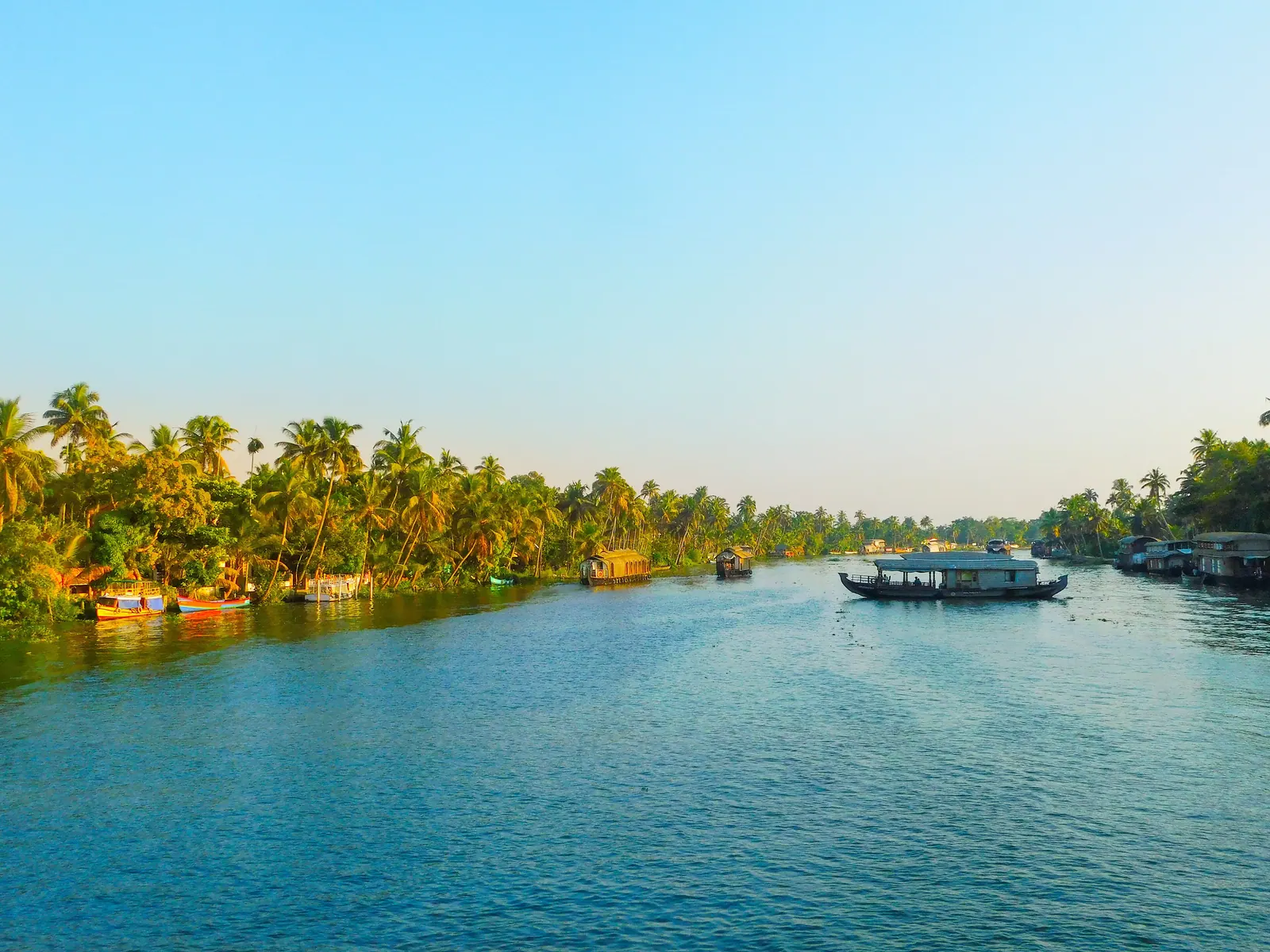
- Start at the boat jetty and the canal, where the town's water history is still legible.
- Walk the market streets around the bus stand for produce, spices and everyday commerce.
- Look at the church and college buildings around the town centre; several are quietly impressive.
- Visit Thirunakkara temple, observing the dress and entry rules.
- Take a short drive to Vennimala for the older, rural layer of the district.
Kottayam is also a useful base. Kumarakom is close, the Idukki hills are reachable in a morning, and the rail line connects the town to both Kochi and Thiruvananthapuram. That convenience means many travellers pass through without stopping. A day spent walking the centre and driving the rubber roads is a good corrective: it shows a Kerala that is not primarily arranged for tourism, and is more interesting for it.
Sources & notes
- Kerala Tourism — official state tourism portal · checked 2026-10-22
- Wikipedia — place and history reference · checked 2026-10-22
Last updated 24 October 2026. Prices, opening hours and transport should be confirmed with official sources before travel.
Hello Kerala Publisher
Hello Kerala's editorial desk.
Found an error or an outdated detail?
Tell us