Coast
Kappad: the beach where Vasco da Gama landed
A small rocky beach north of Kozhikode carries one of the heaviest historical labels on the Indian coast. It is also a working fishing village with a very ordinary, very pleasant afternoon.
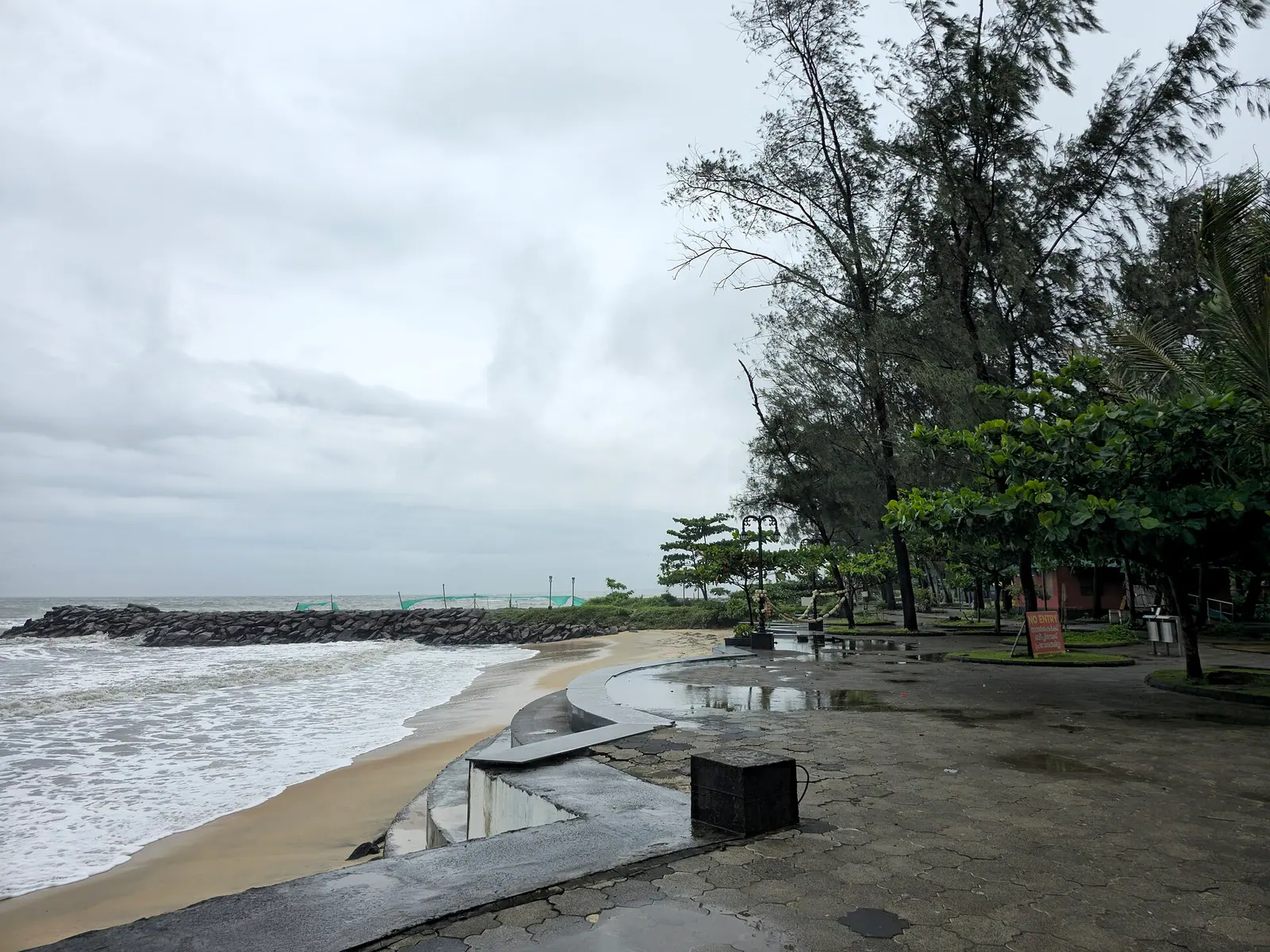
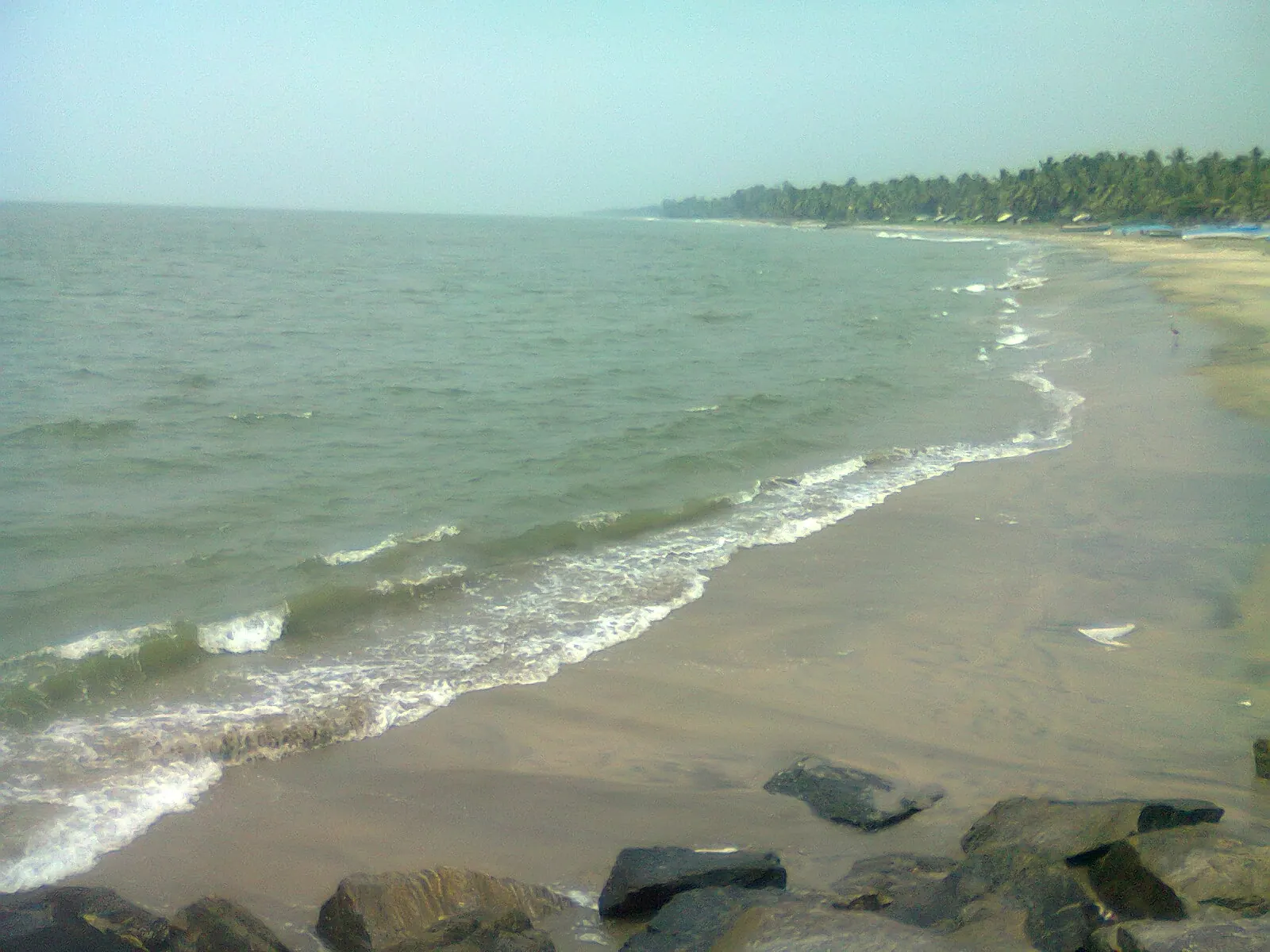
On 27 May 1498, a Portuguese fleet under Vasco da Gama anchored off Kappad, a beach about sixteen kilometres north of Kozhikode. It was the end of a long and brutal voyage around Africa, and the beginning of a European presence on the Malabar coast that would reshape trade, politics and eventually the map of Kerala. A stone memorial on the beach records the landing. The rest of Kappad is a village, a few rocks, a long sweep of sand and the Arabian Sea.
That contrast is the reason to come. Kappad is not a resort beach and does not pretend to be one. There are no rows of sunbeds, no beach clubs and no particular urgency. Fishermen work the sand, cats patrol the shade, and the memorial stands slightly apart from it all, receiving the occasional visitor who has read a guidebook or been brought here by a relative.
What actually happened here
The landing was not a simple meeting of civilisations. The Zamorin of Calicut, the ruler of the powerful trading city to the south, received the Portuguese with the cautious hospitality due to an unfamiliar foreign fleet. Da Gama's men were looking for Christians and spices, in that order and with varying degrees of honesty. The negotiations that followed were difficult, the gifts offered by the Portuguese were famously unimpressive, and the relationship soured quickly. Within a few years, the Portuguese were building forts and fighting the Zamorin's fleet.
Standing on the beach today, it is hard to reconstruct any of that. The sea is the same, the laterite rocks are the same, and the fishing boats are still pulled up above the tide. The memorial is a modest structure and the interpretation is thin. If you want the history, read it before you come; the beach itself offers atmosphere rather than explanation.
The beach and the village
The sand at Kappad is darker than the postcard beaches further south and the swimming is not reliably safe. The seabed shelves steeply in places, currents move around the rocks and there is no lifeguard culture to speak of. Wading and watching are the sensible activities. Families tend to gather in the late afternoon, when the light softens and the fishing boats come in.
Behind the beach, the village is small and ordinary. A roads runs parallel to the water, with tea shops, a church and houses set back among coconut palms. It is not a place to wander with a camera in people's faces. Ask before photographing the boats or the catch, and buy a tea rather than treating the shop as a viewing platform.
- Come in the late afternoon for the light and the working beach; mornings are quieter but hotter.
- The memorial is the historical anchor, but the beach is the reason most people stay.
- Swimming is not advisable without local advice; the rocks and currents are real hazards.
- Combine Kappad with Kozhikode town rather than making it a long dedicated trip.
- There is little shade and no developed facilities, so carry water and expect basic amenities.
Getting there and when to go
Kappad is an easy drive or bus ride from Kozhikode city and can be paired with the town's food and the beach at Kozhikode itself. The road is straightforward and does not require a hill-driving specialist. The dry months from November to February are the most comfortable; the southwest monsoon makes the sea rough and the beach less pleasant, though the landscape is at its greenest.
Sources & notes
- Kerala Tourism — official state tourism portal · checked 2026-10-22
- Wikipedia — place and history reference · checked 2026-10-22
Last updated 24 October 2026. Prices, opening hours and transport should be confirmed with official sources before travel.
Hello Kerala Publisher
Hello Kerala's editorial desk.
Found an error or an outdated detail?
Tell us