Wildlife
Kadalundi: birds, mudflats and the estuary at the edge of town
The Kadalundi estuary is one of Kerala's best-known birding spots, but the sanctuary is small, seasonal and shared with the people who live around it.
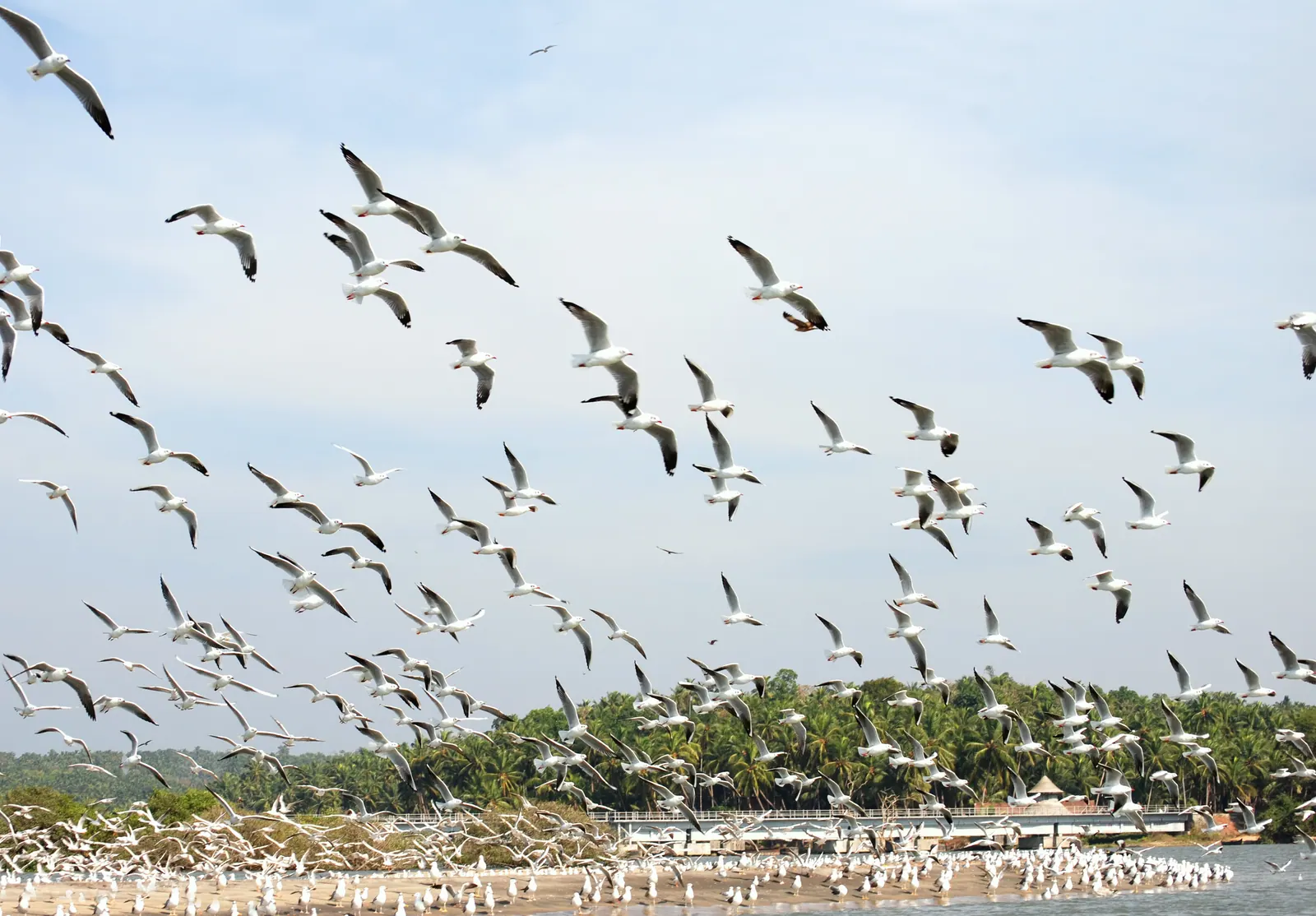
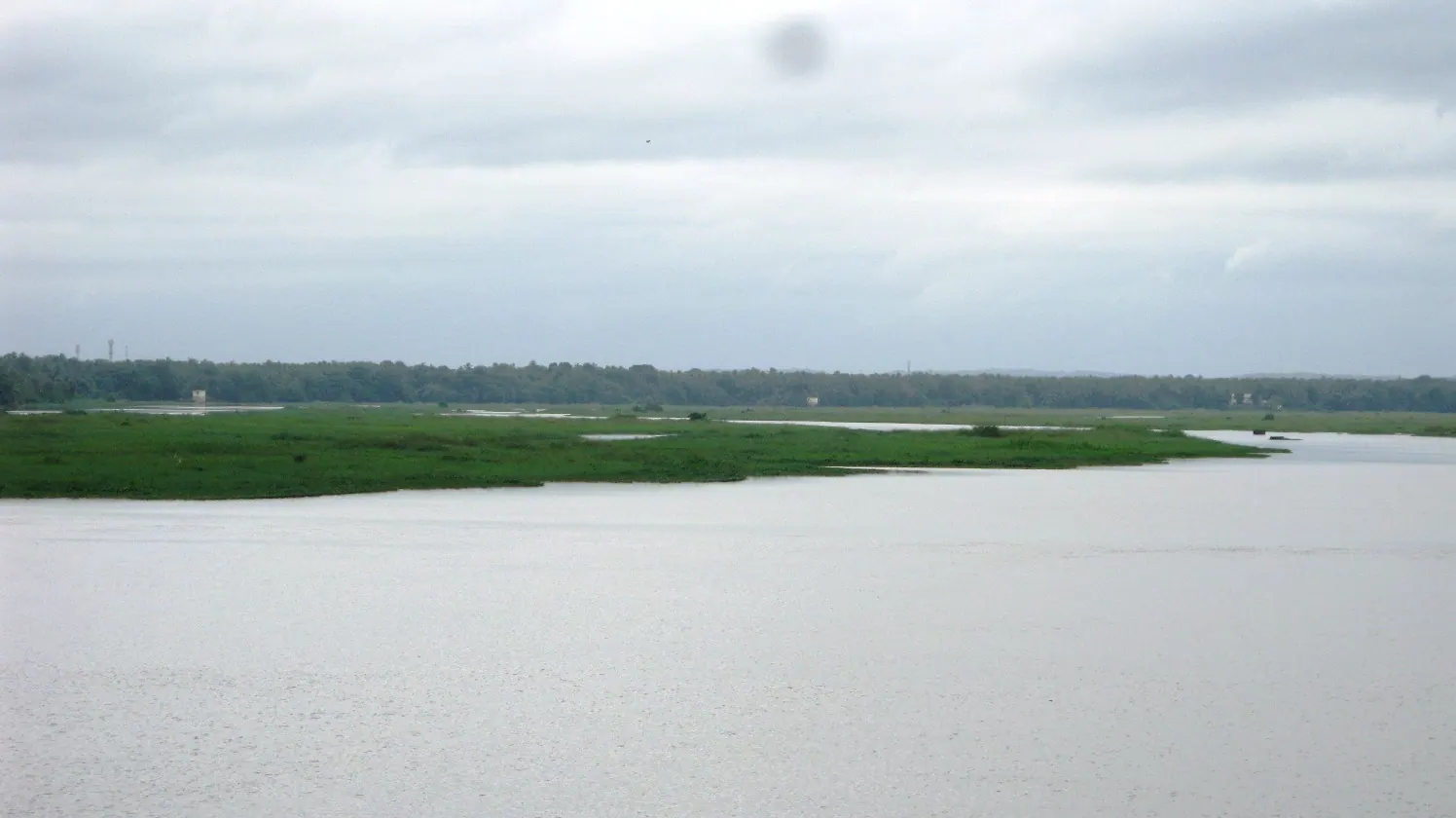
Kadalundi is an estuary, not a lake, and that distinction matters. Fresh water from the Kadalundi river meets the sea in a shifting arrangement of channels, mudflats and mangrove islands. The mix is productive, and the birds know it. The area is recognised both as a bird sanctuary and as a community reserve, which means the people who live around it are part of its management rather than spectators to it. The district boundary between Kozhikode and Malappuram runs through the estuary; the Vallikkunnu side belongs to Malappuram.
What the birds come for
The mudflats support invertebrates, small fish and crustaceans, and the mangroves provide cover and nesting habitat. Resident species include herons, egrets, kingfishers, cormorants and terns. In the migratory season, which generally runs through the cooler months, the estuary receives waders and other birds from northern Asia and beyond. The exact composition changes with the tide, the water level and the year. A low tide exposes the food-rich mud, so the timing of a visit is more important than the season alone.
This is not a zoo or a wetland centre with a guaranteed list. You may spend an hour with a handful of common species and then see a flock of something unusual arrive. The pleasure is in watching the system work: the tide creeping across the flats, the birds moving ahead of it, the mangroves holding the edge. Bring binoculars, patience and a willingness to stand still.
A community reserve
The Kadalundi-Vallikkunnu Community Reserve was established in the 2000s and is often described as the first community reserve in Kerala. Its purpose is to protect the estuary while allowing the local community to continue fishing, collecting and using the resources in a regulated way. That makes it different from a conventional national park. You are visiting a working landscape, and the rules exist to keep it working. Do not assume that a reserve means an entrance gate and a ticket counter; access arrangements are local and can change.
How to visit
- Go at low tide if you want to see feeding birds; check the tide rather than guessing.
- Early morning is best for light, bird activity and avoiding heat.
- Use binoculars and keep your distance; do not approach nests or roosting flocks.
- Do not play recorded calls or use flash photography.
- Follow local advice about which banks and paths are open; some areas are restoration zones.
- Take your litter away and avoid disturbing fishing activity.
The estuary is close to the coastal highway and the town, which makes it accessible but also exposed. Pollution, encroachment and changes in river flow are ongoing pressures. A visit that supports local guides, buys from local shops and respects closures contributes more than one that treats the reserve as a free attraction. If you are a serious birder, ask locally about the best vantage points and the current state of the mangroves; local knowledge is more current than any published guide.
Kadalundi rewards a slow half-day rather than a quick stop. Combine it with a drive along the coast, a meal in Kozhikode or a visit to the nearby towns, and you have a good day in a part of Kerala that is often passed through. The birds are the headline, but the estuary is the story.
Sources & notes
- Kerala Tourism — official state tourism portal · checked 2026-10-22
- Wikipedia — place and history reference · checked 2026-10-22
- Kerala Forest Department — protected areas, permits and ecotourism · checked 2026-10-22
Last updated 24 October 2026. Prices, opening hours and transport should be confirmed with official sources before travel.
Hello Kerala Publisher
Hello Kerala's editorial desk.
Found an error or an outdated detail?
Tell us