Nature
The Chaliyar and the forests above Nilambur
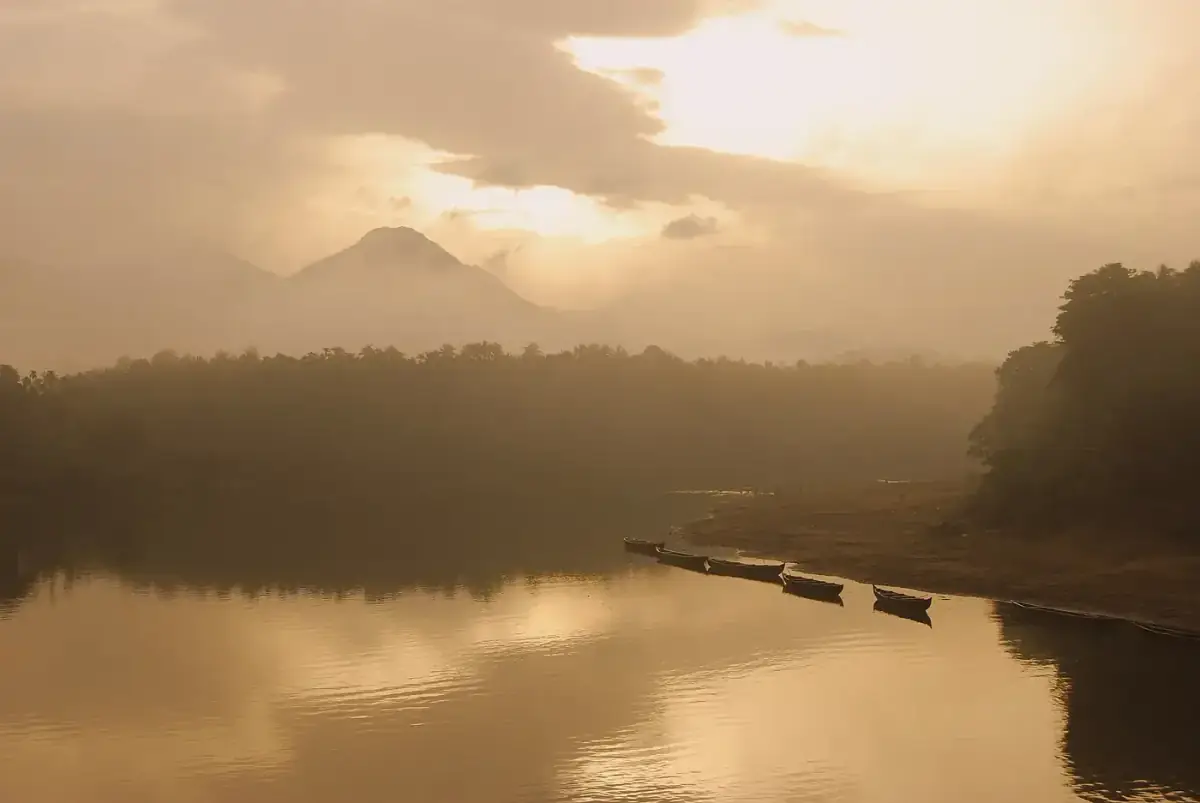
The Chaliyar comes out of the Nilgiris, runs past Nilambur and reaches the sea at Beypore. Its banks carry the history of Kerala's timber trade.
A river with a working history
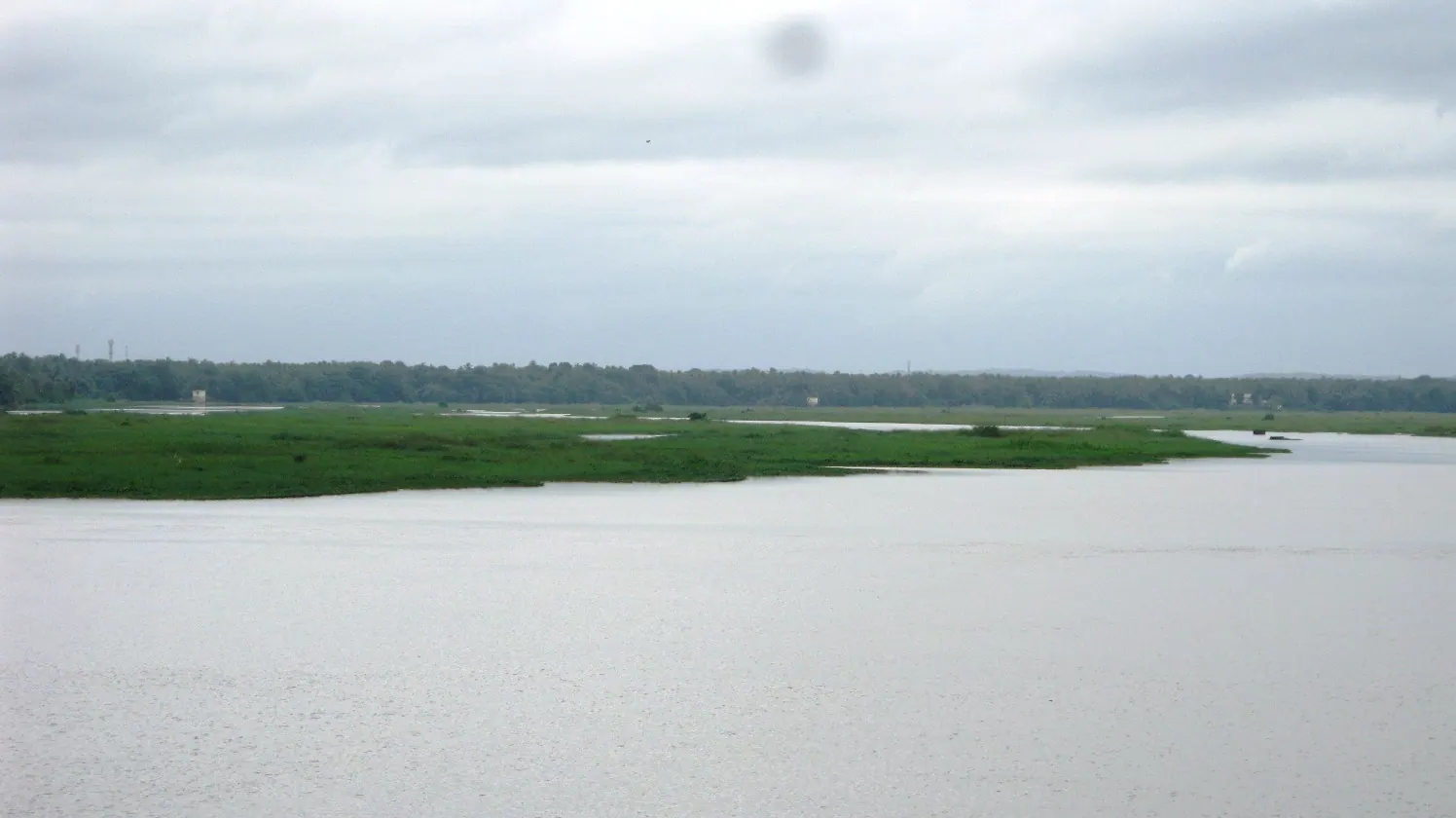
The Chaliyar rises in the Nilgiris and runs west through the Nilambur valley before turning south to the sea at Beypore, on the edge of Kozhikode. For most of its length it is a working river: it waters the valley, it carries silt, and for well over a century it carried timber.
That last job shaped everything around it. Teak from these forests was floated downstream in rafts to the shipyards at Beypore, where it became the hulls of ocean-going vessels. The river was the road, and the towns on its bank grew where the rafts could be assembled and launched.
Destination in this story
VillageNilamburMalappuramTeak, and the forest that grew back
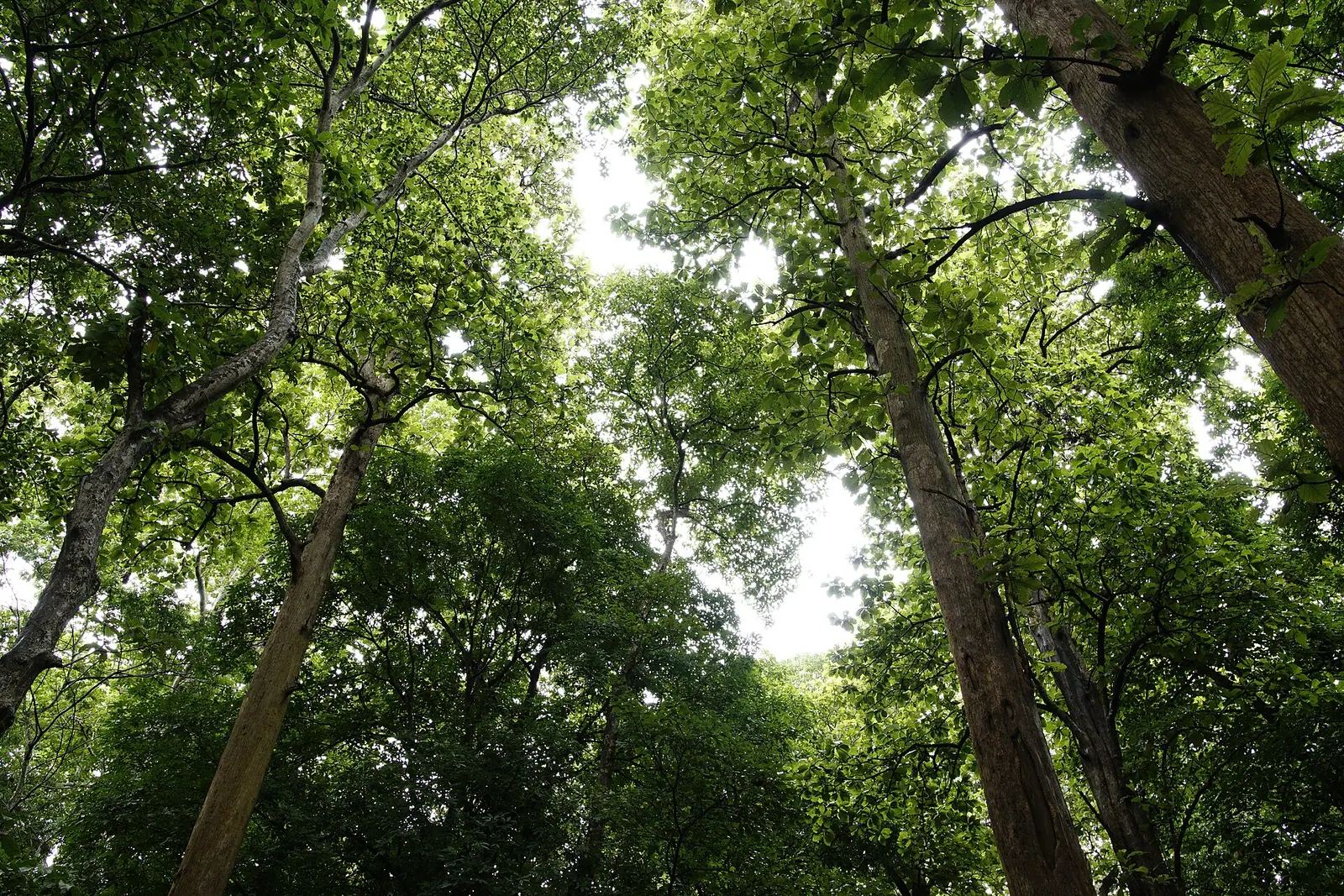
The plantation at Nilambur is one of the oldest in the world, laid out in the middle of the nineteenth century and named after the district collector who ordered it. It is a genuinely important piece of forestry history, and it is also the reason the valley looks the way it does.
What is easy to miss is that the plantation is a small part of a much larger forest. The hills above Nilambur — the New Amarambalam reserve and the country that runs up towards the Nilgiris — are real, dense, species-rich forest, part of the Nilgiri Biosphere Reserve and one of the most important elephant landscapes in southern India.
The forest edge and its animals
Elephants move between these forests and the Nilgiris, and the corridor passes close enough to farmland that conflict is a fact of life. That is not a reason to avoid the area, but it is a reason to listen when a local tells you not to walk a particular path at dusk.
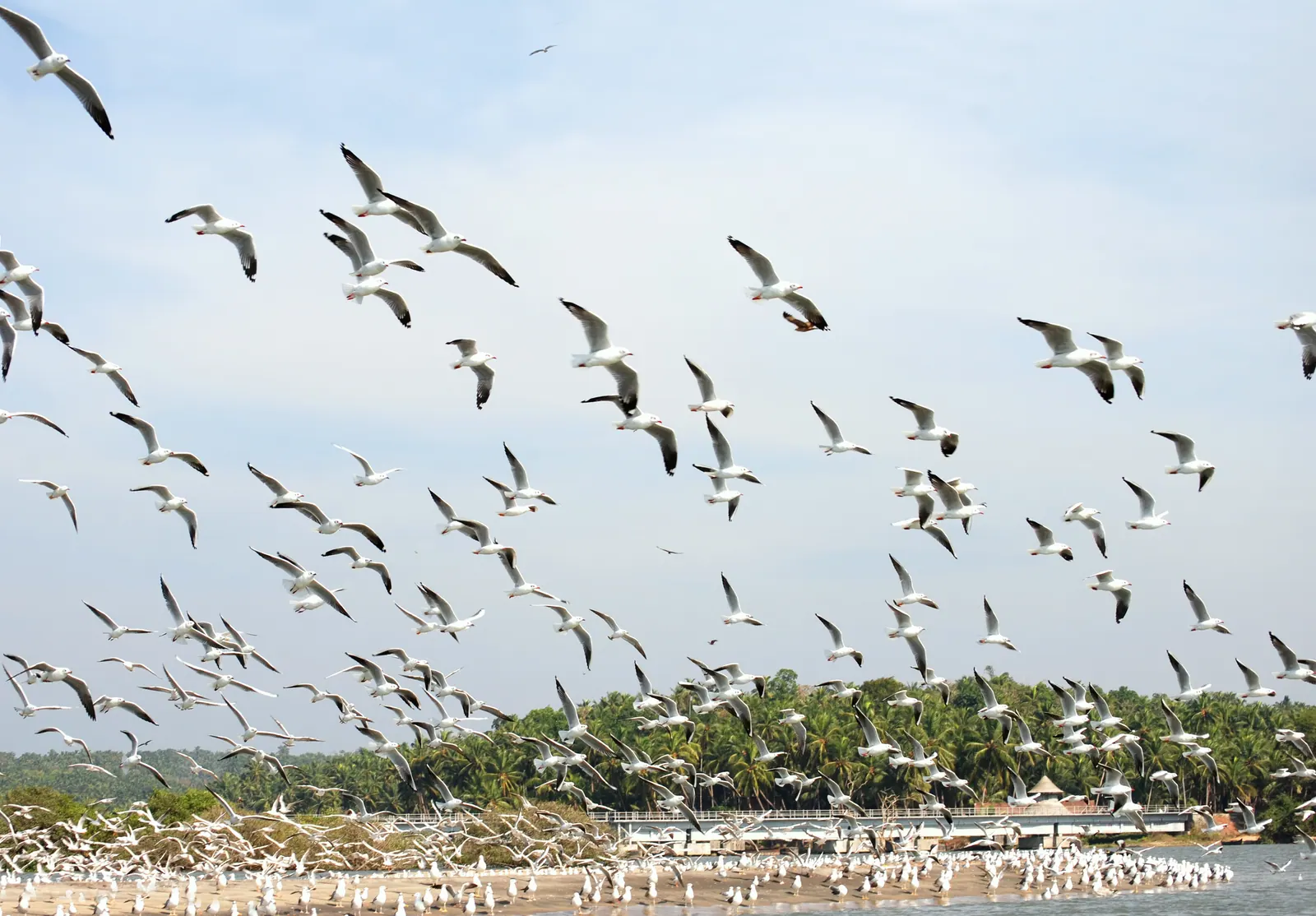
The birdlife is rich and much easier to see than the mammals: hornbills, barbets, woodpeckers and the usual canopy flock that follows a fruiting tree. Butterflies are abundant along the forest roads, particularly in the weeks after the first rain.
The valley's towns
Nilambur itself is a small town with a palace, a market, a famous plantation and a river running past all of it. It is not a resort town and does not pretend to be; the hotels are functional, the restaurants are local, and the pace is set by the buses.
The Nilambur–Shoranur railway is one of the prettier branch lines in Kerala, threading through paddy and the edge of the forest. Taking the train in, rather than driving, gives the valley a different shape: slower, closer to the fields, and with the forest arriving gradually rather than all at once.
Walking and where the road ends
The forest proper begins where the plantations end, and access beyond that point is controlled. Some routes are open to guided walks, others need permission, and the rules change with the season and with the wildlife. Ask at the forest office rather than following a route you found online.
The riverbank, by contrast, is open and easy: paths along the water, sandbanks in the dry months, and a great deal of shade. It is the least demanding way to spend a day here, and the one most likely to give you the valley as it actually is.
Getting there
The nearest airport and railhead: Calicut International Airport (CCJ), ~70 km · Nilambur Road (NIL), central.
- By air: Kozhikode airport is about 70 km away; Coimbatore is around 120 km.
- By rail: Nilambur Road station is close to the town.
- By road: Buses and taxis connect Nilambur with Kozhikode, Malappuram and Ooty via Gudalur.
Once there, Autos and local buses; the plantation and museum are a short ride from town.
When to go
October to March. The monsoon is green but very wet.
Hot and humid, with heavy monsoon rain from June to September.
Most visitors give it Half a day to 1 night. That is the record's own recommendation, not a rule.
What to do while you are there
- Visit the Conolly Teak Plantation and the Teak Museum
- Walk along the Chaliyar river
- See the Nilambur Kovilakam palace from outside
- Eat Malabar biryani and pathiri at a local restaurant
Eating
Malabar biryani, pathiri, fish curry and strong tea. Nilambur's food is a reason to stop.
Local customs and manners
The area has a mixed Malayali and tribal population and a long forestry history. Ask before entering private plantations or photographing workers.
Access, safety and health
Limited; museum and plantation paths are partly uneven. River currents are dangerous; do not swim. Forest edges have wildlife; do not walk into reserves without a guide.
Fees, hours and permits on record
The museum charges a small fee; plantation visits may require permission.
Museum and plantation visits during daylight hours; confirm locally.
Nearby, less obviously
- New Amarambalam reserve edge
- Adyanpara Falls
Practical notes
- Take the branch railway in if you can; the approach is half the visit.
- Ask at the forest office before walking beyond the plantation edge.
- Do not walk forest paths at dusk; elephants use them and locals know which.
- Carry water and expect leeches after rain.
- The riverbank is the easiest good day here, and needs no permission.
Common questions
- Where does the Chaliyar reach the sea? At Beypore, south of Kozhikode, after running through the Nilambur valley.
- Can I walk in the forest above Nilambur? Some routes are open with a guide; others need permission from the forest department. Ask before setting out.
- Is Nilambur worth an overnight stay? Yes if you want the forest edge and the river rather than a resort. Accommodation is simple and local.
- Is the teak plantation worth visiting? For travellers interested in forestry, history or a quiet green stop, yes. It is not a theme park.
- Can I continue to Ooty from Nilambur? Yes, via Gudalur, but the road is winding and can be slow. Check conditions before setting out.
Plan it here
Explore Nilambur and around: nearby places, real road distances, places to stay, and a person to ask.
Plan NilamburThe full place guideNilamburMalappuram · how to get there, when to go, what it costsSources & notes
- Kerala Forest Department — protected areas, permits and ecotourism · checked 2026-10-22
- Indian Railways — stations and train information · checked 2026-10-22
- Kerala Tourism — official state tourism portal · checked 2026-10-22
- Kerala Tourism — Malappuram district · checked 2026-10-22
Last updated 27 October 2026. Prices, opening hours and transport should be confirmed with official sources before travel.
Hello Kerala Publisher
Hello Kerala's editorial desk.
Found an error or an outdated detail?
Tell us