Heritage
Walking Alappuzha: canals, coir and the lighthouse
A town walk that ignores the houseboat jetty and follows the canals, the coir sheds and the old port instead.
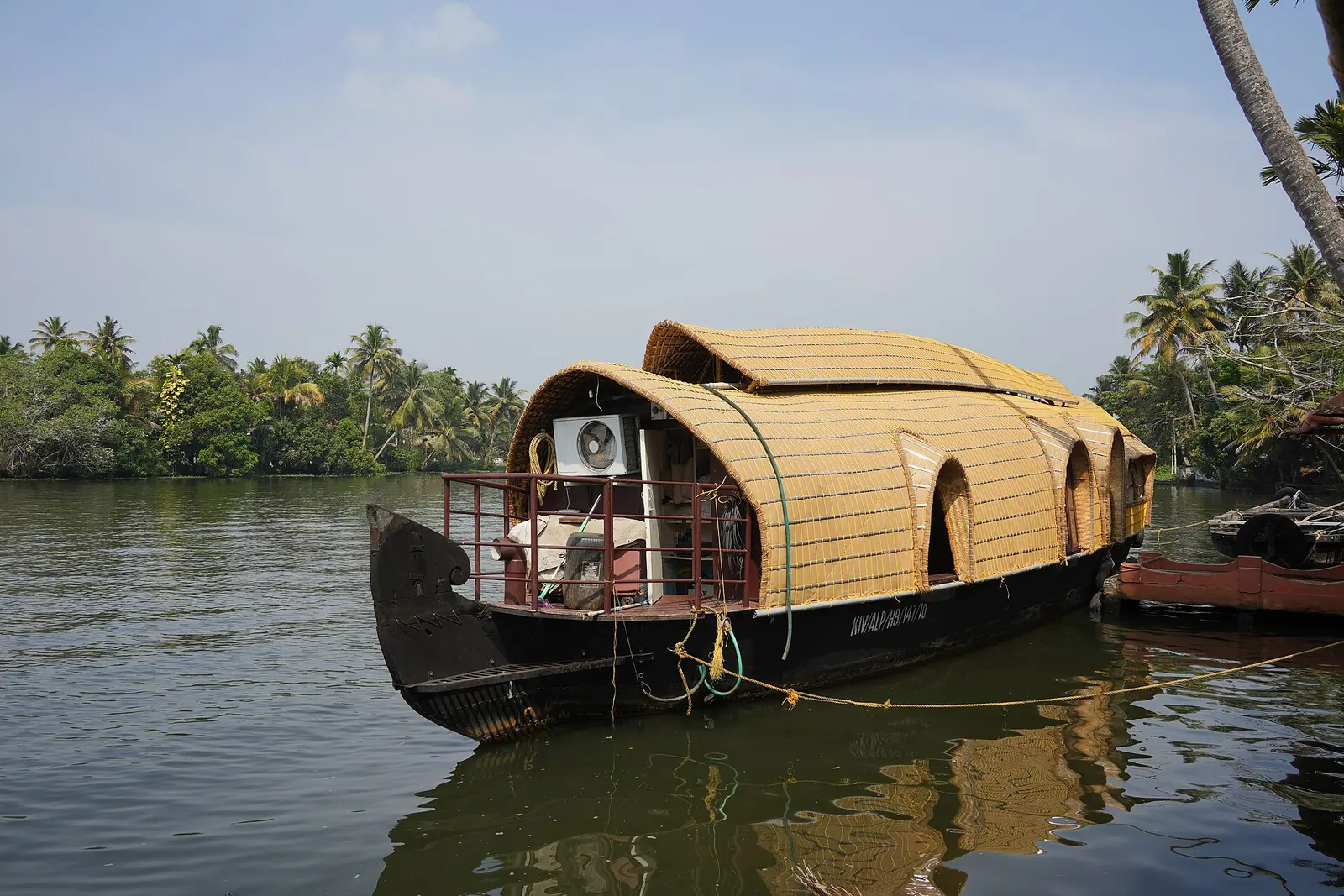
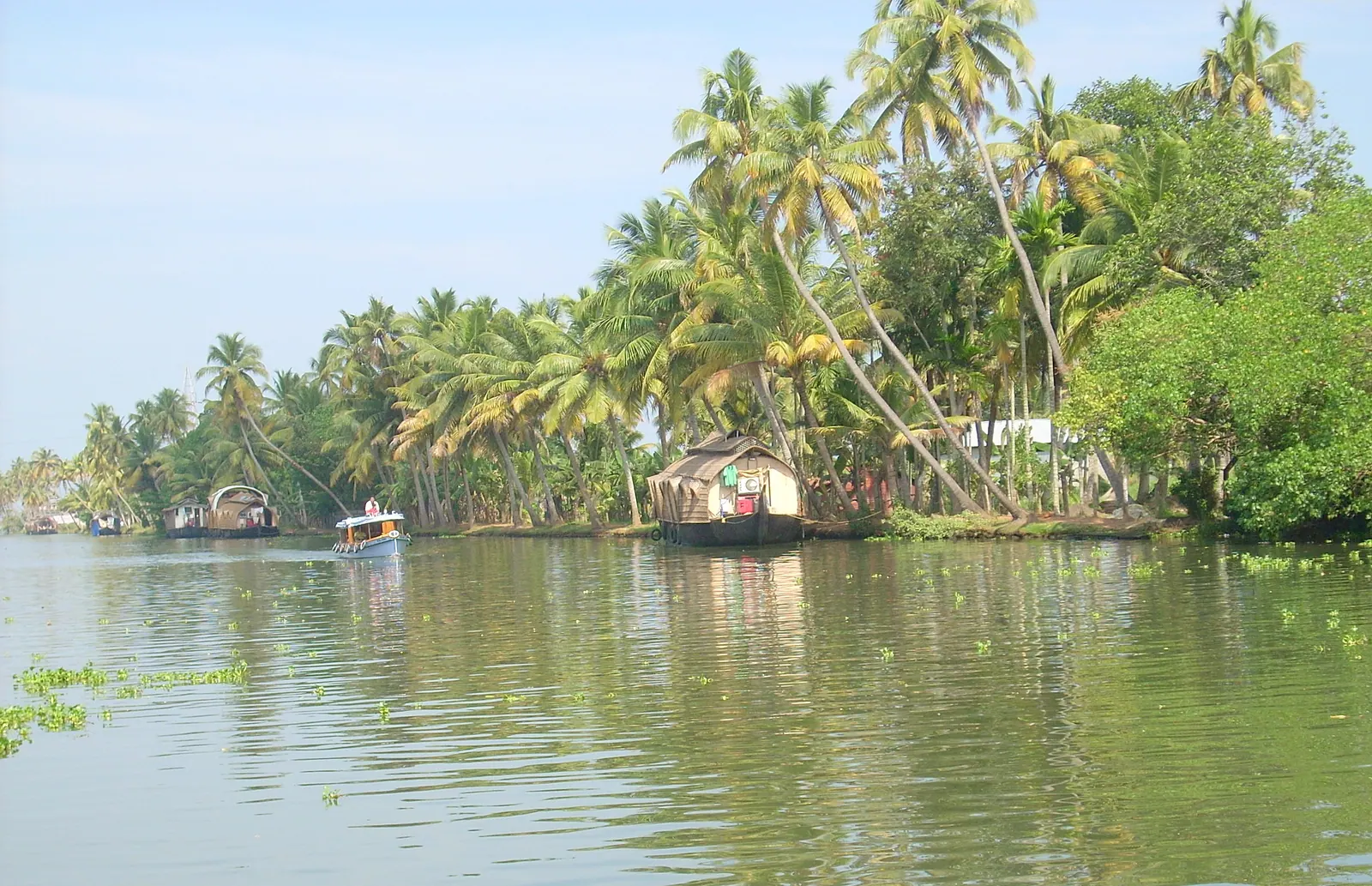
Most visitors to Alappuzha see the town from the water, or not at all. They arrive at a jetty, board a boat and leave. But the town has a compact, walkable centre with a canal grid, a working coir trade and a lighthouse, and an hour or two on foot changes the way the backwaters read. The water is not just scenery; it is the town's plumbing, road and drain.
The canal grid
Alappuzha was laid out around canals, and several still run through the town. Some are wide and busy; others are narrow, green and overlooked. Walk early, before the heat and the traffic. The bridges give you the best views, and the smaller lanes reveal workshops, temples, churches and houses built tight against the water. Do not expect a sanitised heritage quarter. This is a working town, and the canal is part of the work.
The town's history as a port matters here. Alappuzha was developed in the eighteenth century as a trading port, and its fortunes were built on coir, cashew, spices and the movement of goods by water. The canal system was part of that infrastructure. Some of the old warehouses and commercial buildings survive, though many have been replaced. Look for the ordinary buildings as well as the landmarks.
Coir, cashew and the working waterfront
Coir is made from coconut husk: the fibre is retted, beaten, spun and woven into rope, matting and mat. You may see coir being spun in small workshops, often by women, and the smell of retting is part of the trade. It is hard, poorly paid work, and the industry has declined. If you buy coir, buy from a cooperative or a workshop where you can see the product being made, and pay a fair price rather than bargaining a worker down.
Cashew processing was once a major employer in Alappuzha, and the town's cashew workers have a long and difficult history. The industry is smaller now, but you will still find cashew shops and warehouses. This is not a museum; ask before entering a workshop, and do not photograph workers without permission.
The lighthouse and the beach
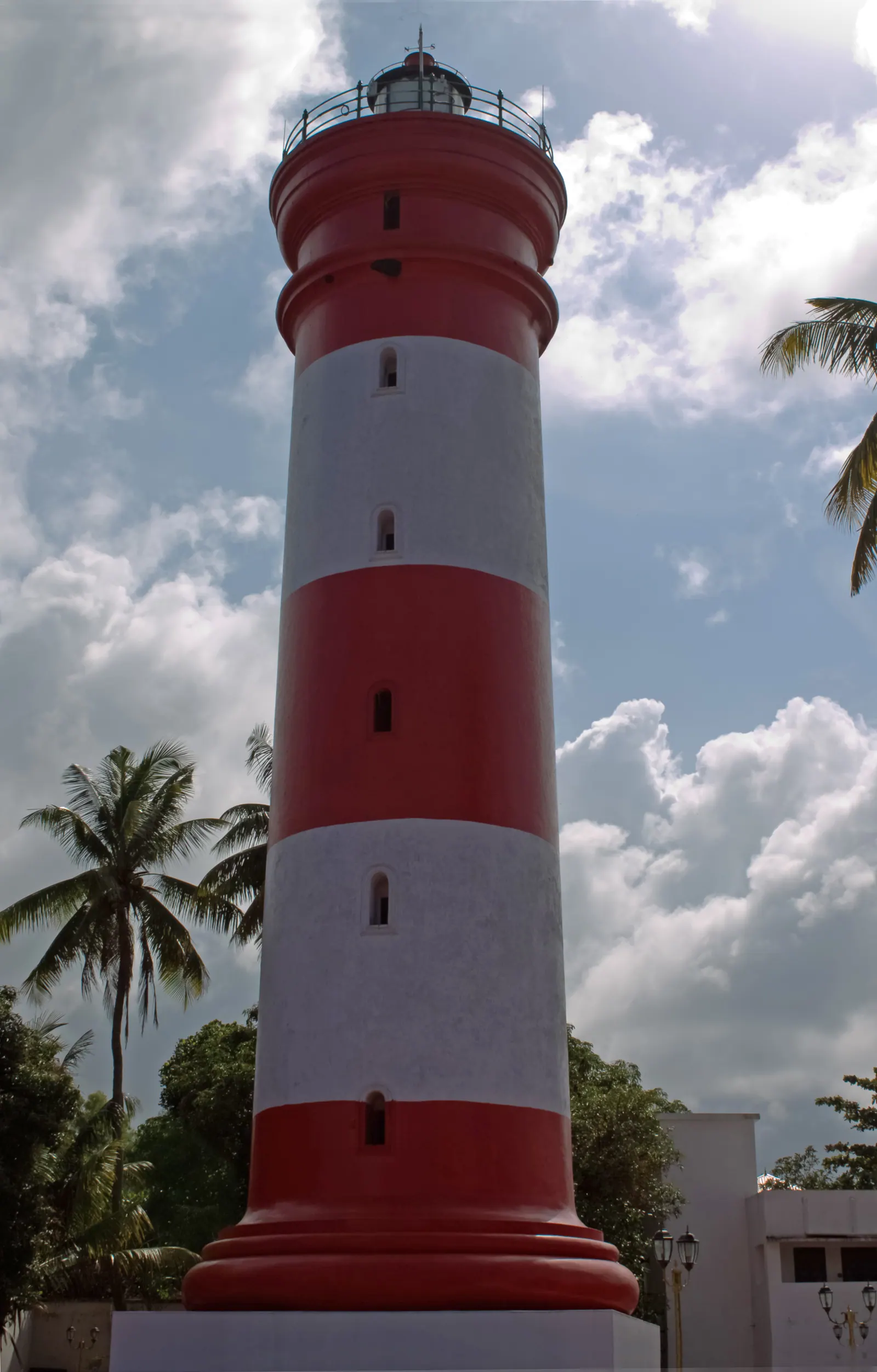
The Alappuzha lighthouse was first lit in the nineteenth century and remains a working aid to navigation. The tower is a landmark, and the view from the top, when it is open, takes in the town, the canal mouths and the sea. Check opening days and times locally: lighthouse access is often restricted and can change without notice. The beach nearby is broad but the sea can be rough, and the town beach is more of a promenade than a swimming spot.
- Start early, before the heat and the school traffic.
- Walk the canal roads and cross the bridges for the best views.
- Look for coir workshops and ask before taking photographs.
- Visit the lighthouse area in the late afternoon, when the light is better.
- Carry water; shade is limited and the humidity is real.
- Keep to pavements where they exist, and watch for bicycles and motorbikes.
A simple route is to begin near the town centre, follow the canal roads west towards the lighthouse, then walk south along the beach and back through the streets. There is no need to join a tour. The town is small enough to wander, and the best discoveries are usually the ones you did not plan.
Sources & notes
- Kerala Tourism — official state tourism portal · checked 2026-10-22
- Wikipedia — place and history reference · checked 2026-10-22
Last updated 24 October 2026. Prices, opening hours and transport should be confirmed with official sources before travel.
Hello Kerala Publisher
Hello Kerala's editorial desk.
Found an error or an outdated detail?
Tell us