Responsible travel
Kuttanad: farming below sea level
The polders, pumps and duck flocks of Kerala's rice bowl, and how to visit a landscape that is fighting for its future.
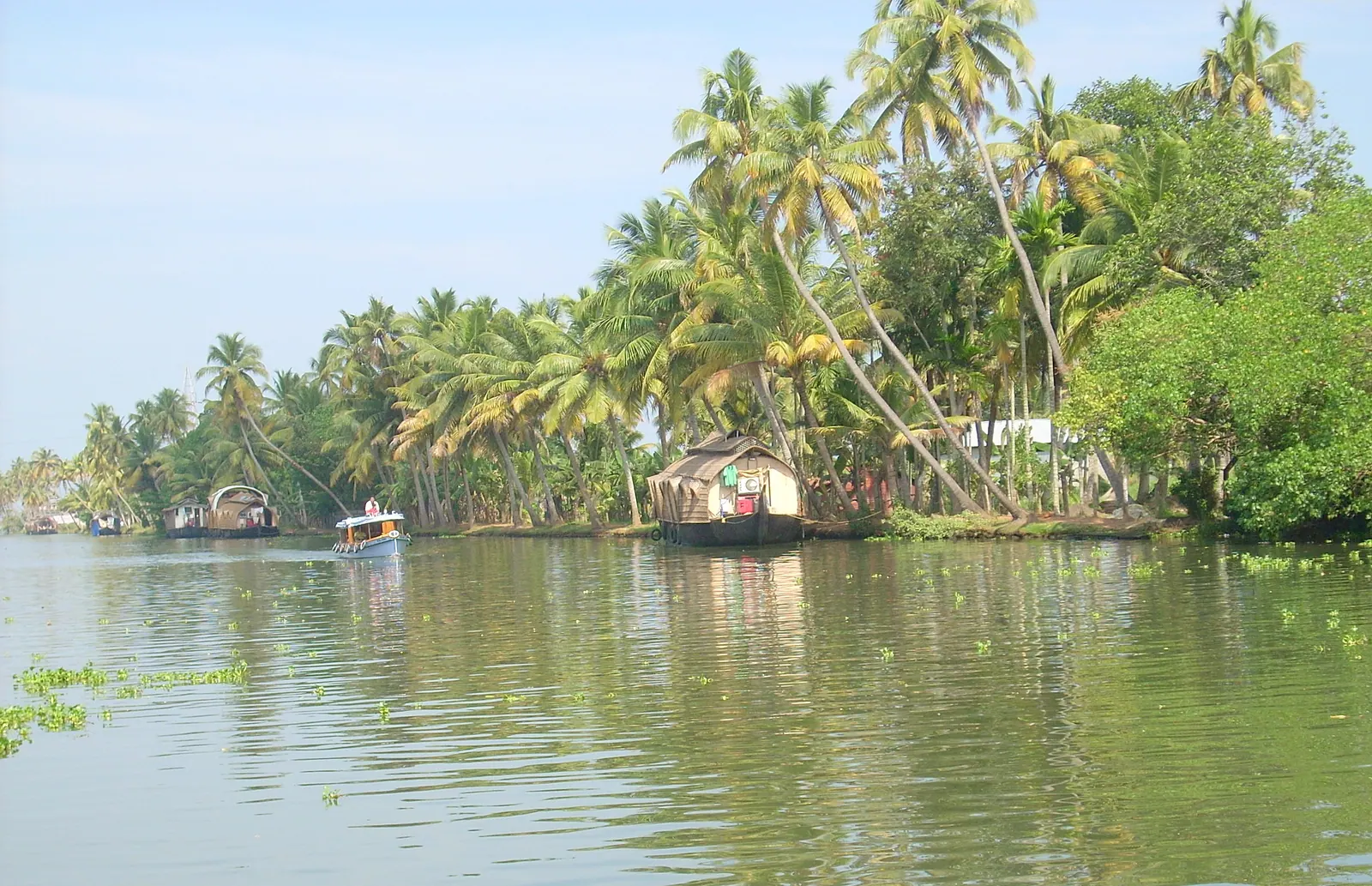
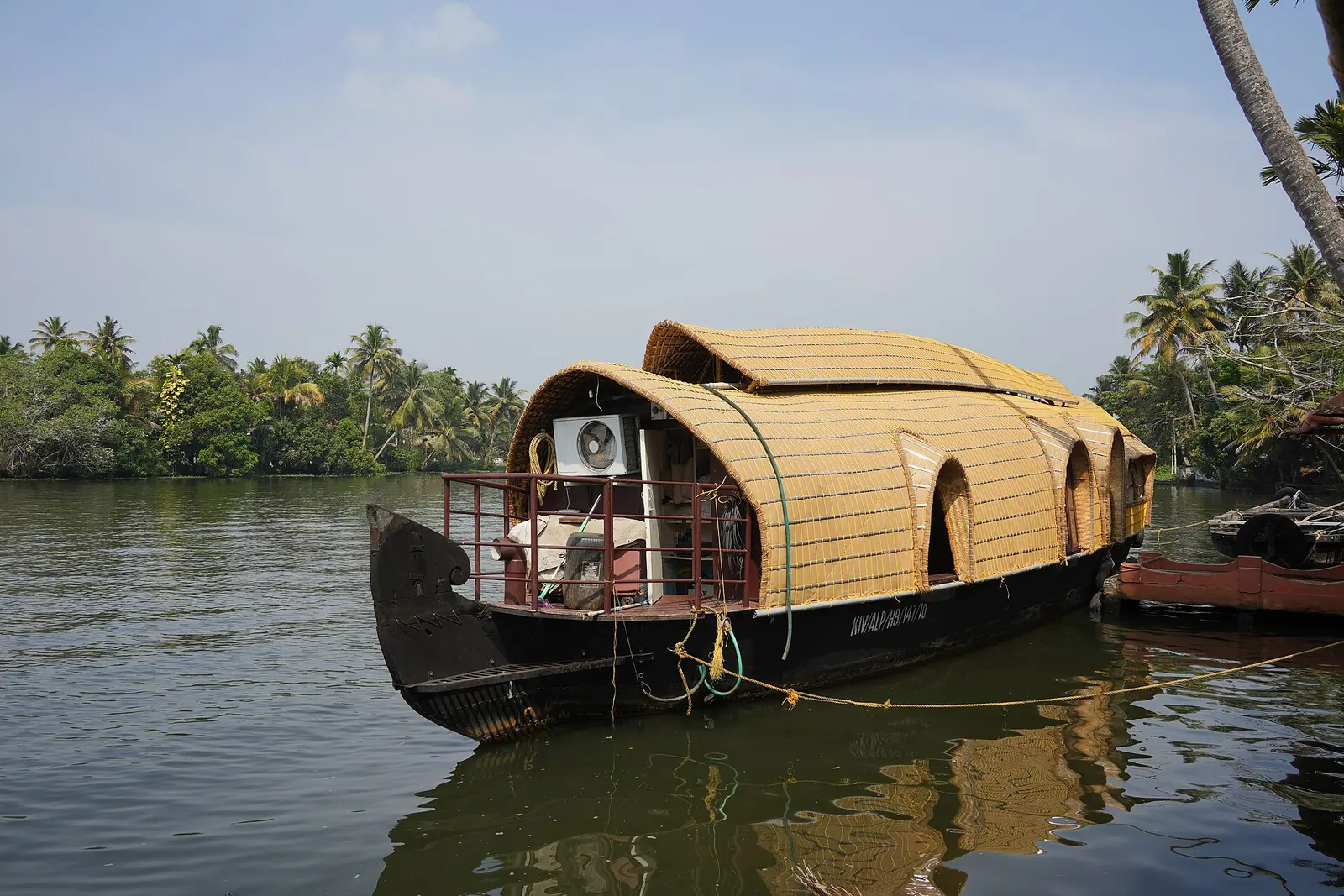
Kuttanad is one of the few places on earth where rice is grown below sea level. The fields lie in shallow basins behind bunds, drained by pumps and canals, with the water in the backwaters often higher than the land. It is a landscape of narrow ridges, paddy, coconut palms, duck sheds and small boats, and it is best understood not as scenery but as infrastructure.
How the polders work
Each block of fields, known as a polder or padasekharam, is enclosed by earthen bunds. Water is pumped out, and the crop is grown in the drained basin. The system depends on pumps, fuel, electricity and constant maintenance. When the monsoon arrives, the fields are often deliberately flooded or left fallow; when the water recedes, the pumps start again. A walk along a bund shows the whole arrangement: fields on one side, a canal on the other, and a pump house at the edge.
The Thanneermukkom Bund, built across Vembanad Lake, was intended to keep salt water out of the southern fields and allow more cropping. It changed the ecology of the lake, reducing the natural flushing of the backwaters and contributing to problems with water quality and weeds. That trade-off — more rice versus a healthier estuary — is still being argued about.
Rice, ducks and fish
Rice is the main crop, and the Kuttanad calendar is organised around it. Duck farming is also part of the system: flocks are moved between fields after harvest, eating leftover grain and weeds, and their droppings fertilise the next crop. The birds are a common sight, and a good reason to slow down on the narrow roads. Fish and prawns come from the canals and the lake, and the region's food reflects all of it.
The farming is labour-intensive and the returns are uncertain. Younger people leave for other work. The fields are small, the equipment is expensive, and the weather is less predictable than it used to be. If you want to understand rural Kerala, this is more honest than a staged village tour.
Salt, flood and subsidence
The threats are connected. Salt water intrudes when the bunds are breached or when the lake is not flushed. Heavy rain can overwhelm the pumps and flood the fields. The catastrophic floods of 2018 damaged large areas of Kuttanad, and the recovery took years. Land is also sinking in places, which makes the pumping harder. Climate change adds pressure on every front: stronger rain, longer dry spells, and a rising sea.
Visiting without getting in the way
The best way to see Kuttanad is slowly: a canoe or small boat through the canals, a walk along a bund, a night in a homestay, and a meal cooked with local rice and fish. Ask before walking across fields or photographing workers. Do not drive a car onto a bund; they are narrow, soft and essential. Avoid throwing anything into the water, and be careful with the pumps and electric lines.
A guide who lives in the area will explain what you are looking at and will know which paths are safe and which are private. That is worth more than a list of viewpoints. The landscape rewards curiosity, but it is not a theme park, and the people working in it are not exhibits.
Sources & notes
- Kerala Tourism — official state tourism portal · checked 2026-10-22
- Wikipedia — place and history reference · checked 2026-10-22
Last updated 24 October 2026. Prices, opening hours and transport should be confirmed with official sources before travel.
Hello Kerala Publisher
Hello Kerala's editorial desk.
Found an error or an outdated detail?
Tell us