Wildlife
Thekkady and Periyar: boat, trail or neither?
The boat on Periyar lake is the set piece, but it is not the only way to see the reserve, and it is not a wildlife guarantee. What each option actually offers, and how to choose.
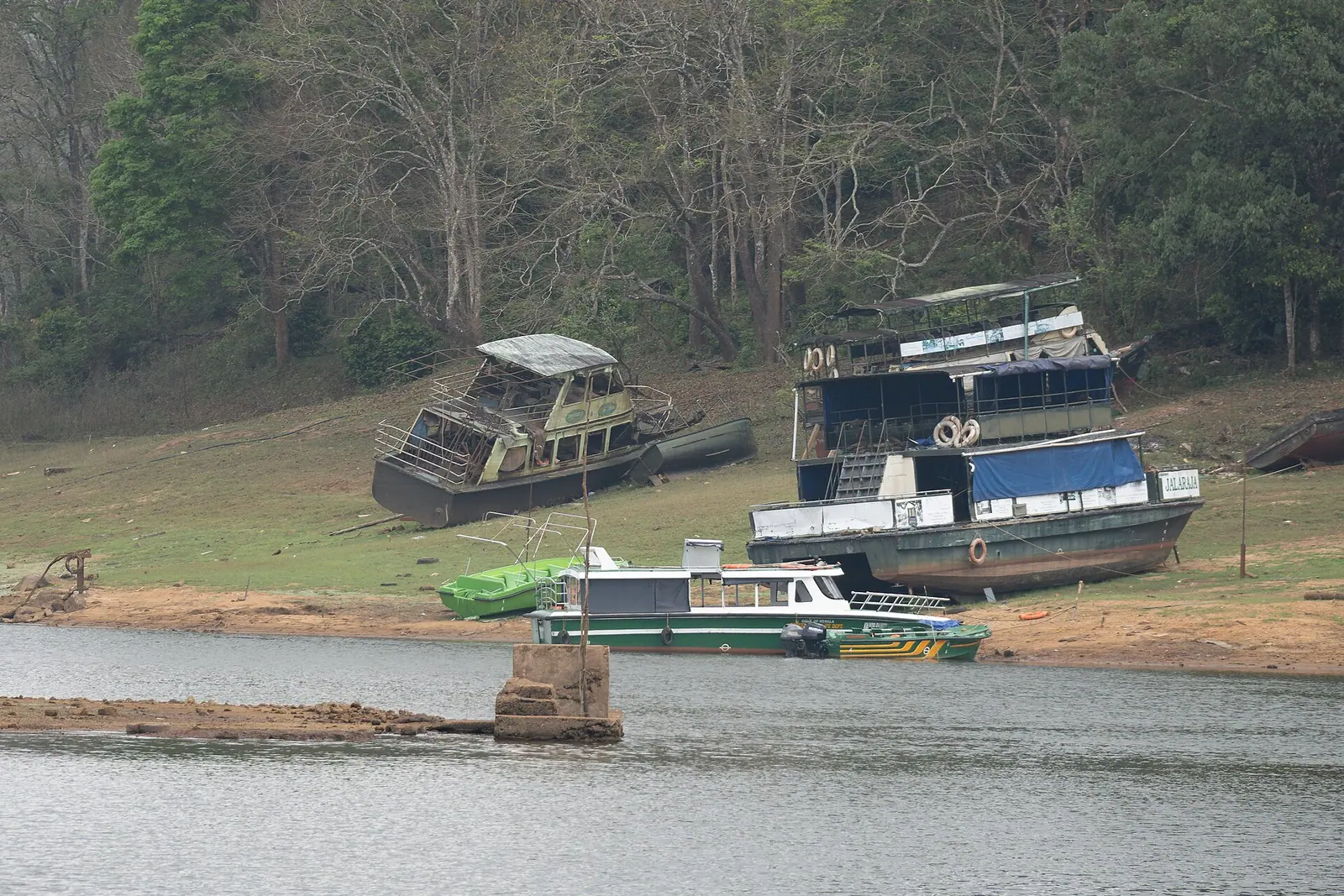
Thekkady is the town at the edge of Periyar Tiger Reserve, and the reserve is the reason people come. The usual image is a boat gliding across the lake while elephants stand at the water's edge. That image is possible, but it is not the everyday experience. Periyar is dense forest around a flooded valley, and wildlife does not perform on schedule. Understanding what the reserve is — and what tourism has done to it — makes for a better visit.
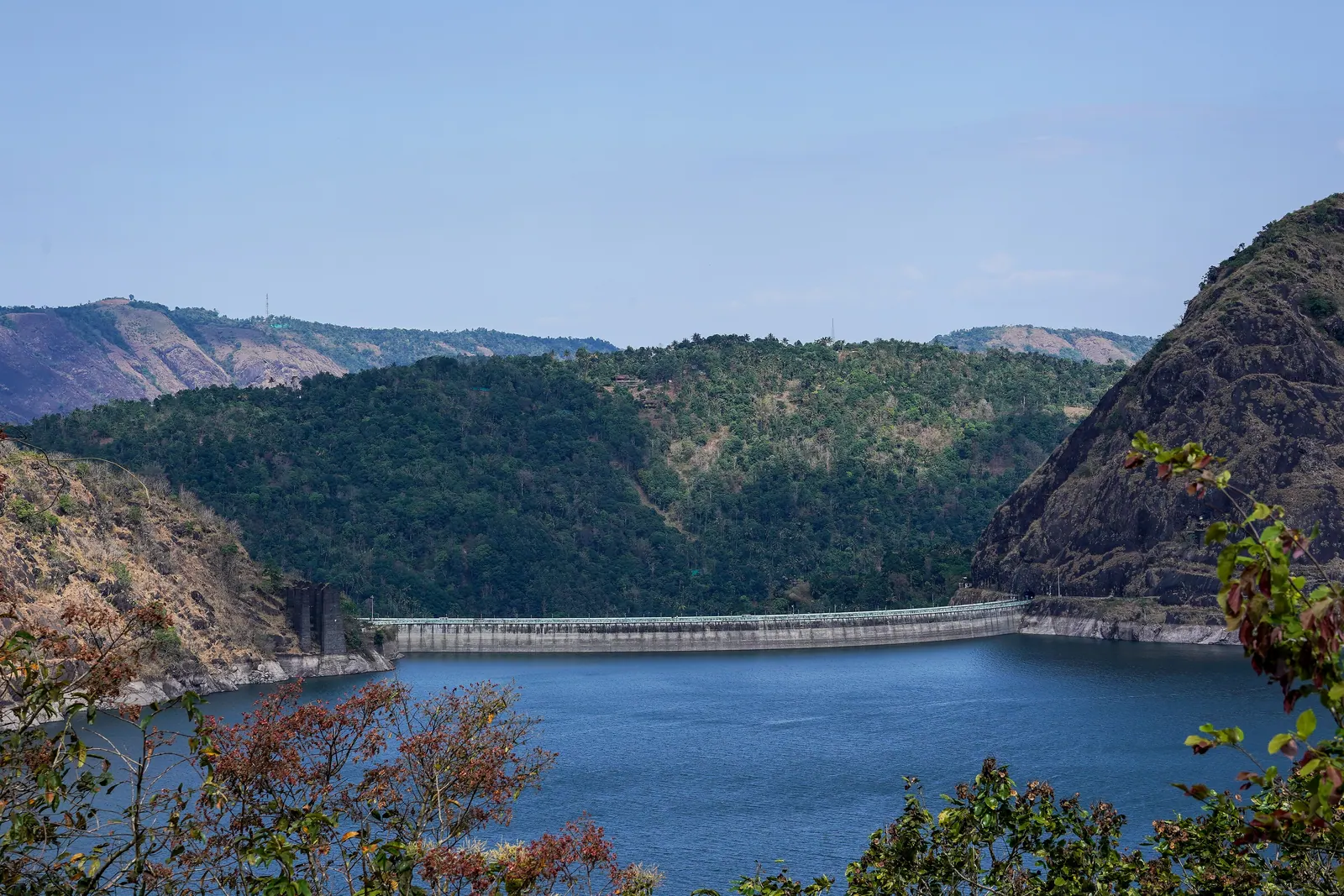
The lake was formed when the Mullaperiyar dam was built in the late nineteenth century, flooding the valley and creating the open water that now draws animals and visitors. The reserve around it was established in stages through the twentieth century, becoming a tiger reserve in 1978. It is one of the best-known protected areas in the Western Ghats, and it carries the pressure that comes with that reputation.
The boat: what it is and is not
The lake boat is a short, fixed-route trip on a powered vessel with a guide and a crowd. It gives you the water, the forest edge and sometimes elephants, gaur, deer or birds. It does not go deep into the forest, it does not stop for long, and the engine noise carries. If you are a serious wildlife watcher, the boat is a pleasant orientation rather than the main event. If you have limited time or mobility, it may be the most accessible way to see the reserve at all.
Book through the official channel rather than a roadside agent, and check which jetty and departure point your ticket is for. The trip is weather-dependent, and the schedule can change. Take binoculars if you have them, sit near the edge without blocking others, and keep your voice down. The animals are not there for the announcement.
Walking and bamboo rafting
The reserve runs guided walks and bamboo-rafting trips in small groups with forest staff. These are slower and more immersive than the boat, and they are the better choice if you want to be on foot in the forest rather than looking at it from the water. They are also more physically demanding and more dependent on the season, the weather and staff availability. Age limits, fitness requirements and group sizes apply.
- Wear neutral colours, long trousers and closed shoes; sandals are a poor choice on forest trails.
- Carry water, a rain shell and any medication you need; do not rely on shops inside the reserve.
- Do not feed animals, play recordings or ask the guide to chase a sighting.
- Keep your distance and stay with the group. Elephants and gaur deserve a lot of space.
- Leave no litter, including fruit peel and tissues.
When to go and how long to stay
The cooler, drier months are the most comfortable for walking. The monsoon makes the forest lush but can close trails and reduce visibility. Wildlife sightings are more likely at the edges of the day and around water, but there is no season that guarantees them. Two nights gives you a chance to try a boat and a walk, and to spend an afternoon in the spice-growing country around Thekkady rather than queueing for another ticket.
Thekkady town has grown around tourism, with spice shops, ayurveda centres and shows. Some of it is genuine, some is theatre. Ask at your accommodation which spice gardens are working farms rather than demonstrations, and treat any animal attraction outside the reserve with scepticism. A tiger in a cage is not a wildlife experience.
Sources & notes
- Kerala Tourism — official state tourism portal · checked 2026-10-22
- Wikipedia — place and history reference · checked 2026-10-22
- Kerala Forest Department — protected areas, permits and ecotourism · checked 2026-10-22
Last updated 24 October 2026. Prices, opening hours and transport should be confirmed with official sources before travel.
Hello Kerala Publisher
Hello Kerala's editorial desk.
Found an error or an outdated detail?
Tell us