Hidden gems
Idukki Dam: the arch, the reservoir and the valley beneath
One of Asia's highest arch dams holds back the Periyar in a deep V between two hills. The engineering is remarkable; the visiting rules are not simple. What to know before you go.
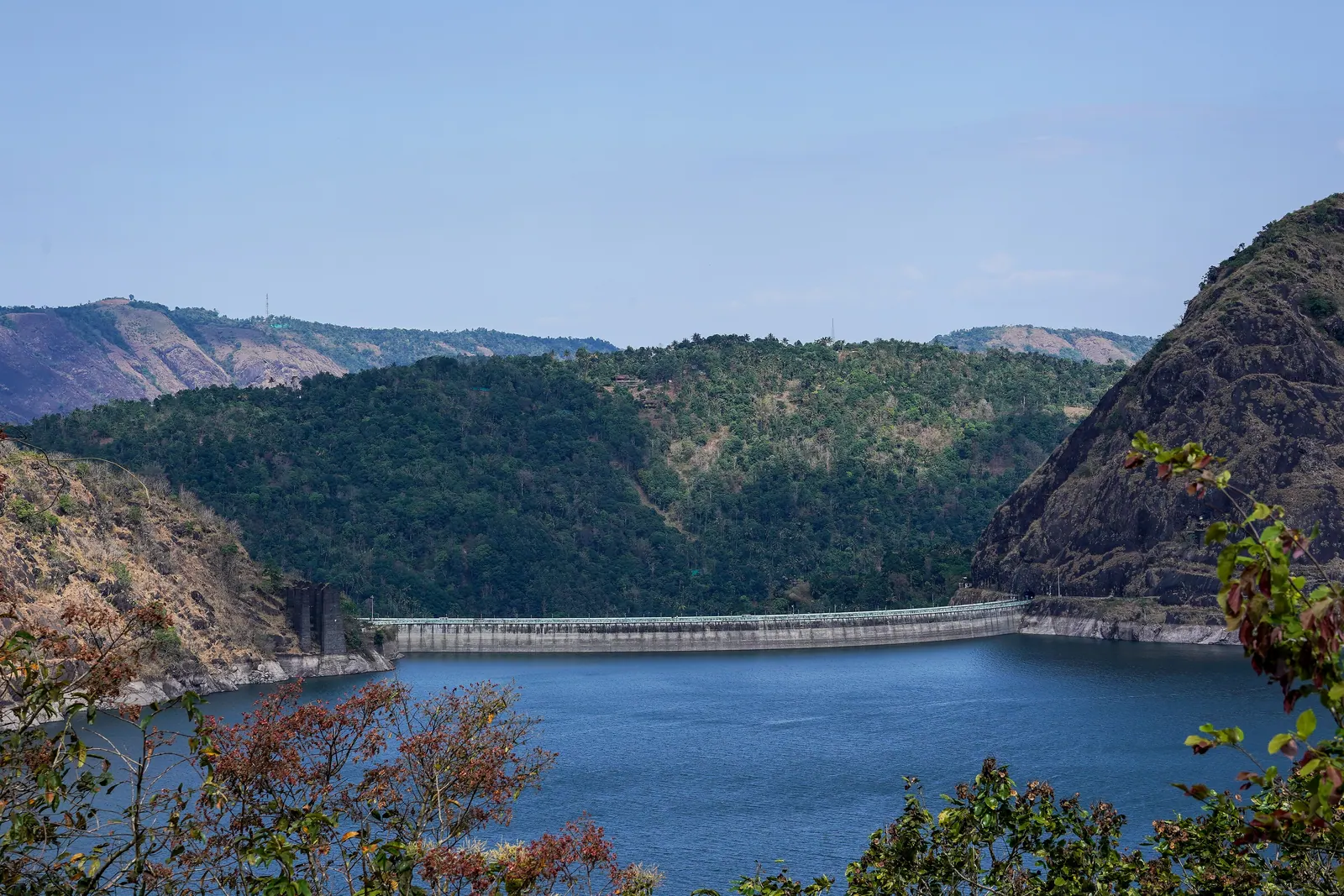
The Idukki Dam is not a scenic afterthought on the way to Munnar. It is one of the largest arch dams in Asia, a double-curvature concrete shell wedged into the gorge between the Kuravan and Kurathi hills, holding back the waters of the Periyar. Approached from below, the scale is hard to read; from the ridge, the thinness of the arch and the size of the reservoir behind it become clear.
The dam was built in the 1960s and 1970s as part of a hydroelectric scheme, and the reservoir it created submerged a substantial valley. The project changed the district: roads, colonies, agriculture and the power supply of Kerala were all reshaped by it. The reservoir is now a landscape in its own right, a long sheet of water between steep, forested banks, with the arch holding it in place.
What you can actually visit
Access to the dam is controlled, and it is not a site where you can simply walk up and look over the edge. Visitors are generally directed to designated viewing areas and parks, and the rules can change with water levels, maintenance or security. Some trips include a walk along part of the structure; others do not. Check the current arrangement rather than relying on an old blog post or a driver's promise.
The surrounding area has been developed with parks and viewpoints, some of which feel more like a municipal garden than an engineering pilgrimage. That is fine if you have children or want a picnic, but do not confuse it with the dam itself. The best view is often from the road as you approach, before you reach the ticket gate.
Dam, sanctuary, reservoir: three different things
The Idukki Wildlife Sanctuary is a separate protected area around the reservoir, with forest, elephants and walking trails. A ticket to a dam viewpoint is not a ticket to the sanctuary, and vice versa. If you want wildlife, book the sanctuary through the Forest Department and expect an early start. If you want the engineering and the view, plan the dam visit. Trying to do both in one afternoon usually means doing neither well.
- Carry ID; security checks are normal at major dams.
- Wear comfortable shoes; the viewpoints involve steps and uneven ground.
- Do not fly a drone without written permission; it is a restricted area.
- Keep children close on the viewing platforms and do not climb barriers.
- Take your rubbish with you; bins are scarce and the wind is strong.
Getting there and timing
Idukki town, Cheruthoni and Painavu are the usual reference points, and the roads between them climb through some of the most dramatic country in Kerala. The drive is part of the visit. Allow more time than the distance suggests, especially in rain or mist, and do not plan a tight connection to a bus or train on the same day.
The reservoir is at its most photogenic in the early morning, when the water is still and the ridges are layered with mist. Afternoon light is flatter and the haze builds. If you are staying nearby, go early, then spend the rest of the day in the surrounding hills rather than rushing back.
Sources & notes
- Kerala Tourism — official state tourism portal · checked 2026-10-22
- Wikipedia — place and history reference · checked 2026-10-22
Last updated 24 October 2026. Prices, opening hours and transport should be confirmed with official sources before travel.
Hello Kerala Publisher
Hello Kerala's editorial desk.
Found an error or an outdated detail?
Tell us