Wildlife
Silent Valley: visiting one of the Ghats' last great forests
A rainforest that became a national symbol, saved from a dam in the 1970s. Access is deliberately limited, and the forest is better for it.
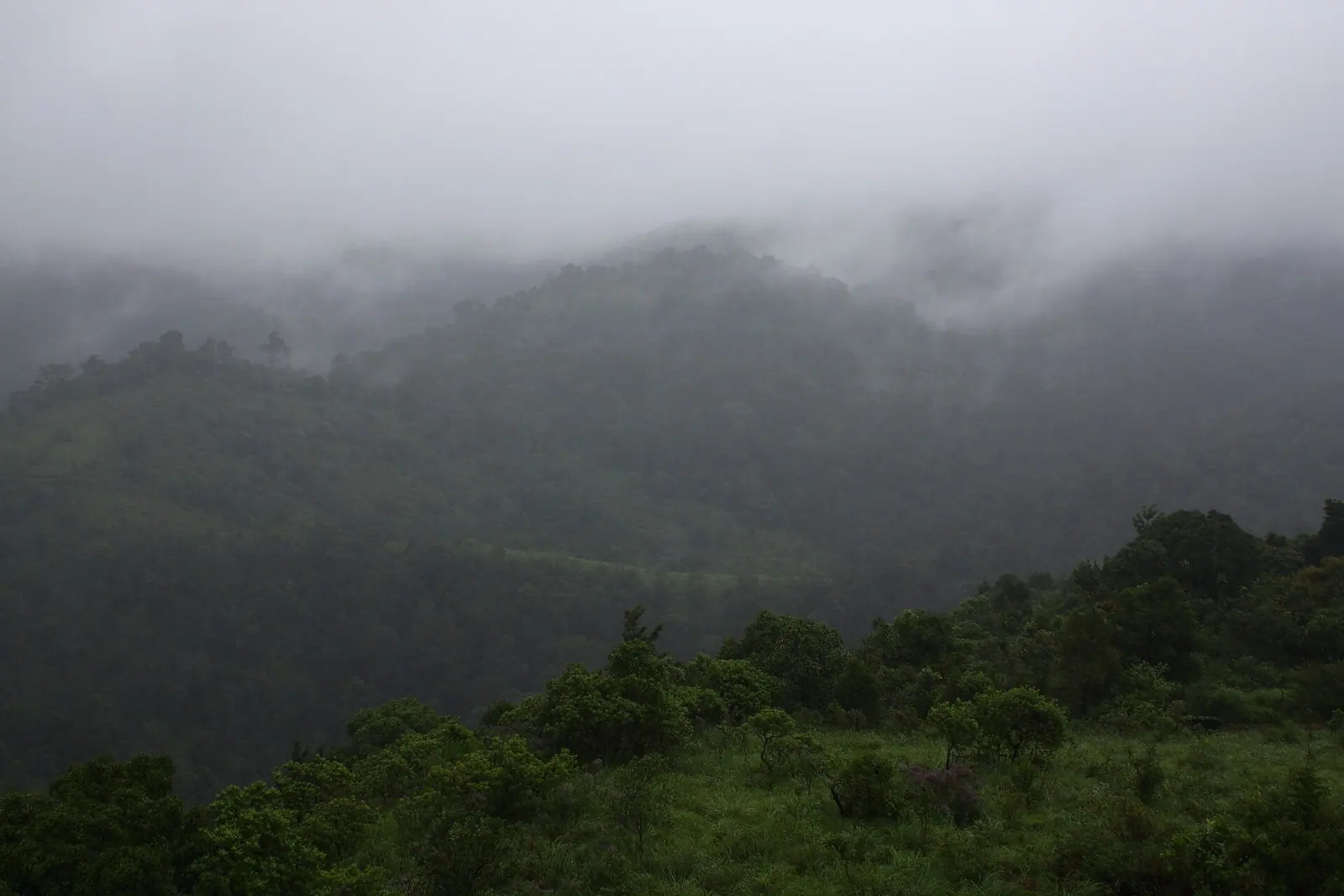
Silent Valley is not silent. It is full of cicadas, frogs, hornbills and wind, and the name is usually traced to a colonial-era mistranslation of a local name rather than to any absence of sound. What the forest does offer is a kind of quiet that comes from being somewhere with no road, no shop and no expectation that you will stay long. It is one of the last large tracts of tropical evergreen forest in the Western Ghats, and it is managed as a national park rather than a tourist destination.
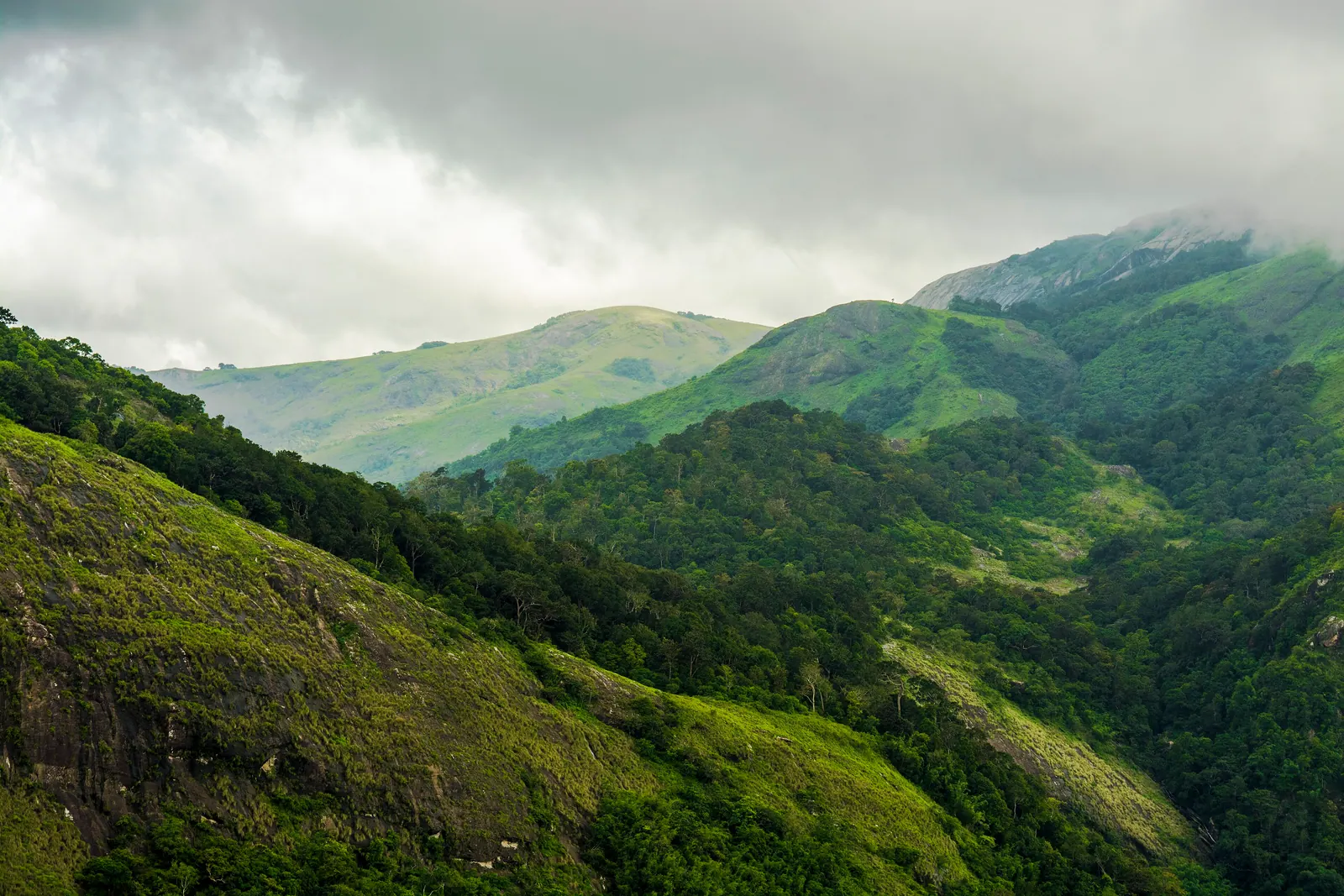
The park lies in the Nilgiri Biosphere Reserve, in the southwest corner of Palakkad district, and its core is the Kunthipuzha river valley. The forest is dense, multi-layered and wet, with giant trees, bamboos, orchids and a canopy that closes overhead. It is habitat for the lion-tailed macaque, Nilgiri langur, Malabar giant squirrel, hornbills and a long list of amphibians and insects that prefer not to be seen.
The fight that saved it
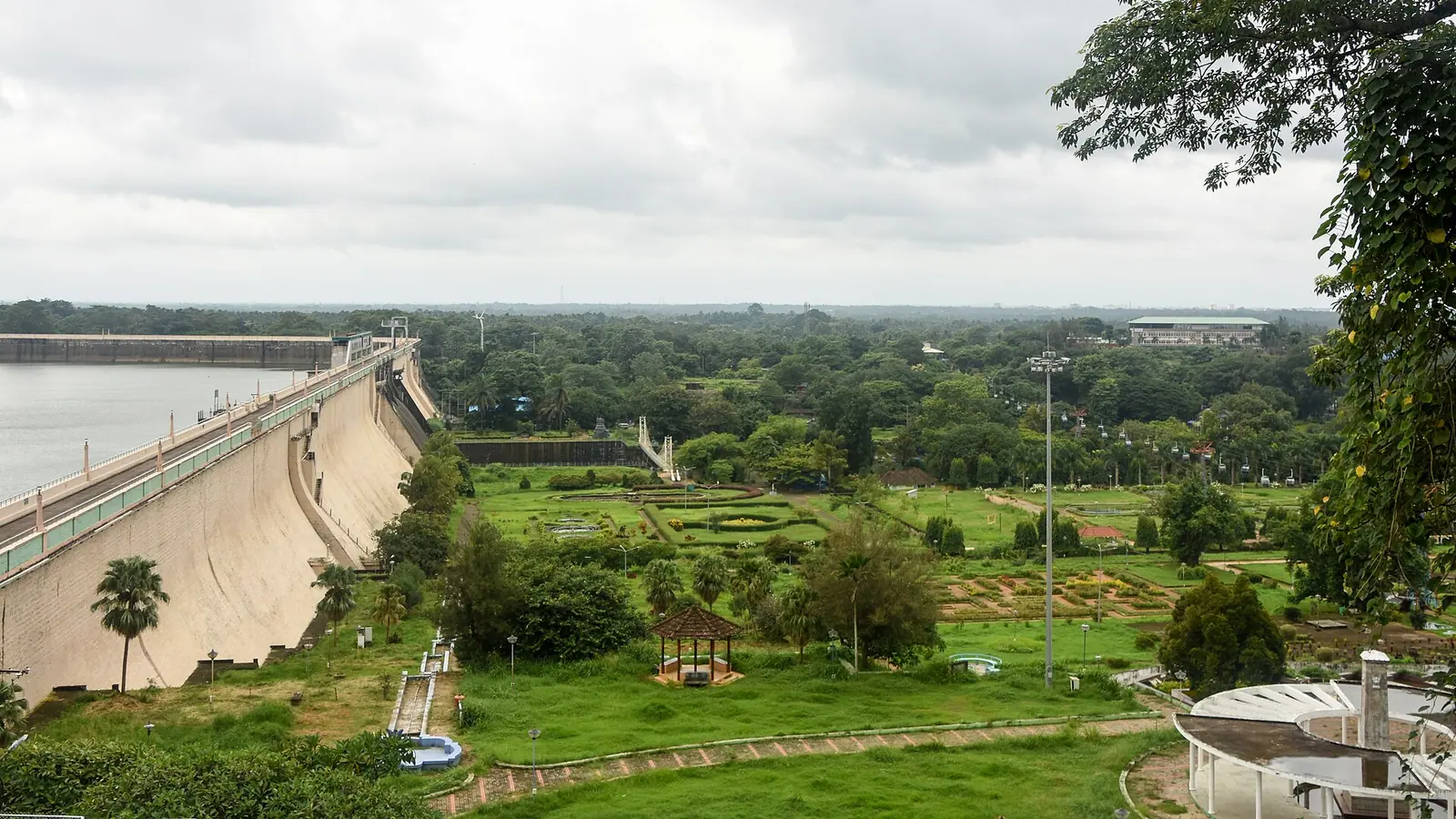
In the 1970s the Kerala State Electricity Board proposed a hydroelectric project that would have flooded a large part of the valley. The plan became one of India's defining environmental battles. Scientists, writers, students and local organisations argued that the forest was irreplaceable; the poet Sugathakumari became one of the movement's most visible voices. The project was abandoned, and Silent Valley was declared a national park in the 1980s.
The victory was not just about one valley. It changed how conservation was argued in India, making the case that a forest has value beyond the timber and the megawatts it can produce. Silent Valley later became part of the Western Ghats World Heritage listing, a recognition of its global ecological importance rather than its scenery.
Visiting is deliberately difficult
This is the most important thing to understand: Silent Valley is not a park you can drive into and explore at will. Access is controlled by the Forest Department, entry is limited, and visitors normally go with forest staff or an approved guide. The base for permissions and arrangements is Mukkali, on the road from Mannarkkad, and even reaching that point involves a slow drive through the foothills.
Do not treat a permit as a formality to be worked around. If access is closed, it is closed for a reason: staff shortages, weather, wildlife movement or damage to the trails. Ask at the official office, accept the answer and do not offer incentives to change it. The forest is not improved by visitors who think the rules are for other people.
- Start enquiries at the Forest Department's official office in Mukkali or through Kerala Tourism; avoid unofficial agents.
- Carry leech protection, long trousers, rain gear and footwear with grip, even in the dry season.
- Bring water and food for the day; there are no shops inside the park.
- Do not play recordings, feed animals, collect plants or leave the trail.
- Expect no phone signal and no card payments.
What a visit is like
When access is possible, the visit is usually a guided walk or a short vehicle transfer followed by a trail, depending on the route and the day's conditions. The forest is tall and humid; the river is clear and cold; the light is green. You may see macaques, langurs, deer or a hornbill, but sightings are incidental. The experience is the forest itself, not a checklist of animals.
Leeches are common in the wet months and are harmless if removed properly. Snakes, elephants and other large animals are present; this is why guides and rules matter. Keep groups small, keep voices low and do not stray. A wildlife sanctuary is not a zoo with the fences removed, and the animals have right of way.
The right way to ask
If you want to visit, write or call the Forest Department ahead of time, ask what is currently permitted and plan around the answer. Do not ask a hotel to 'arrange something' without checking that the arrangement is official. Do not expect a day trip from Kochi or Coimbatore to work; the access roads are slow and the formalities take time. Staying near Mannarkkad or Mukkali is more realistic than trying to reach the park and return in a single long day.
The best season is generally after the southwest monsoon, when the trails are less sodden and the forest is still green. The monsoon itself can be dangerous and access may be suspended. Whatever the season, go with the expectation of being a guest in a place that does not need your visit, and the trip will be better for it.
Sources & notes
- Kerala Tourism — official state tourism portal · checked 2026-10-22
- Wikipedia — place and history reference · checked 2026-10-22
- Kerala Forest Department — protected areas, permits and ecotourism · checked 2026-10-22
Last updated 24 October 2026. Prices, opening hours and transport should be confirmed with official sources before travel.
Hello Kerala Publisher
Hello Kerala's editorial desk.
Found an error or an outdated detail?
Tell us