Culture
Sabarimala for the curious: what the pilgrimage asks of you
Sabarimala is one of India's great acts of mass devotion, not a sightseeing stop. Understanding the vow, the route and the limits on access matters more than packing the right shoes.
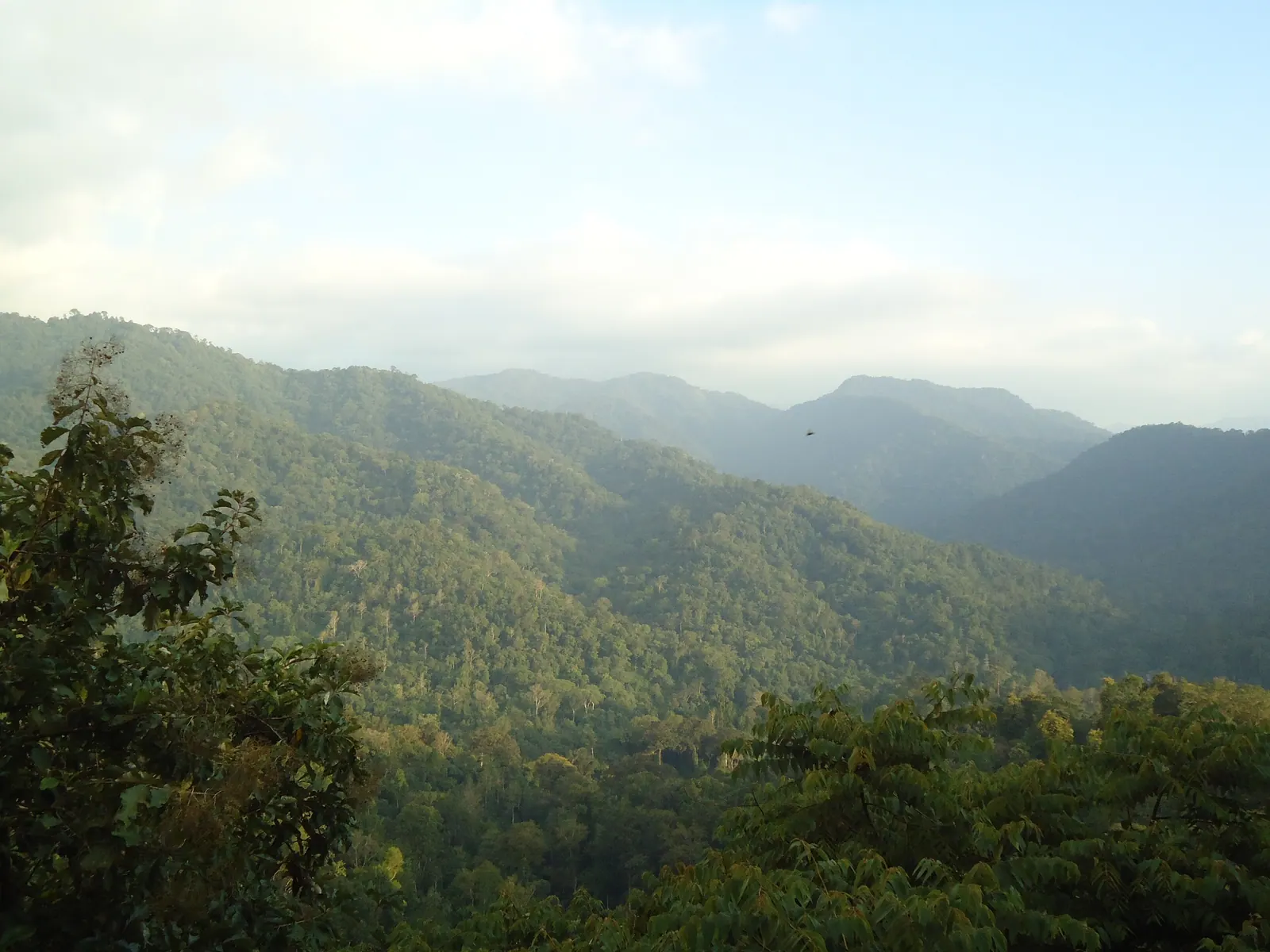
Sabarimala is a temple in the forested hills of Pathanamthitta district, and for a few months each year it becomes one of the largest gatherings of people on earth. The pilgrimage is not a visit to a monument. It is an act of devotion undertaken after preparation, and the preparations are not optional theatre. Understanding that is the difference between being a respectful witness and being in the way.
The deity is Ayyappa. Devotees traditionally undertake a period of observance — commonly described as forty-one days — before the journey, involving simplicity, abstinence and a disciplined daily routine. They carry an irumudi, a bundle containing offerings, and climb the final stretch on foot from the Pampa river. The physical effort is part of the point.
Who the pilgrimage is for
It is for devotees who have prepared themselves for it. It is not a cultural attraction with a visitor centre, and the temple authorities are entitled to set rules about who may enter and how. Those rules have been contested in courts and in public life, particularly regarding the entry of women of menstruating age. The legal and social position has shifted more than once. Do not rely on a travel blog, including this one, for the current rule; check with the Travancore Devaswom Board before making any plan that depends on entry.
If you are not undertaking the vow, you can still understand the pilgrimage from Pampa and the surrounding route, but do not treat the temple as a photo opportunity. People around you are engaged in something serious. Dress modestly, keep your voice low and do not photograph individuals without asking.
The route and the climb
Most pilgrims arrive at Pampa by road and walk up from there. The path is steep in places, paved for much of its length, and busy enough that the pace is set by the crowd. Some devotees use the longer traditional routes through the forest, which require more preparation and are not appropriate for a casual walker. The final ascent to the temple is the shortest part of the journey and often the slowest.
The season runs roughly from the Mandala period in November through Makaravilakku in January, with monthly poojas at other times. Outside the main season the temple and route are much quieter, but access arrangements differ. Check the current schedule rather than planning around a remembered date.
- Carry only what you need; the climb is easier without a heavy bag.
- Wear footwear you can walk in for hours, and be prepared for rain.
- Follow queue and security instructions without argument.
- Do not leave litter on the path or in the forest.
- If you are not a devotee, be honest about that and stay within the areas open to you.
The practical shape of the trip
Erumeli, Pampa and the surrounding towns fill with pilgrims during the season. Transport is frequent but crowded, and accommodation is basic and heavily used. The Forest Department and the district administration publish arrangements for the season, including virtual queue systems, parking and restrictions designed to manage the crowd. Using the official system is not optional if you intend to climb during peak days.
For the traveller who approaches it with humility, Sabarimala is one of the most striking human landscapes in Kerala: the forest, the river, the endless line of people carrying the same bundle up the same path. The point is not to consume it, but to witness it without getting in the way.
Sources & notes
- Kerala Tourism — official state tourism portal · checked 2026-10-22
- Wikipedia — place and history reference · checked 2026-10-22
Last updated 24 October 2026. Prices, opening hours and transport should be confirmed with official sources before travel.
Hello Kerala Publisher
Hello Kerala's editorial desk.
Found an error or an outdated detail?
Tell us