Wildlife
Konni's elephant camp: what it is, and what it is not
Konni is known for its elephant camp, but the camp is not a zoo or a theme park. Understanding its history and the welfare debate makes for a more honest visit.
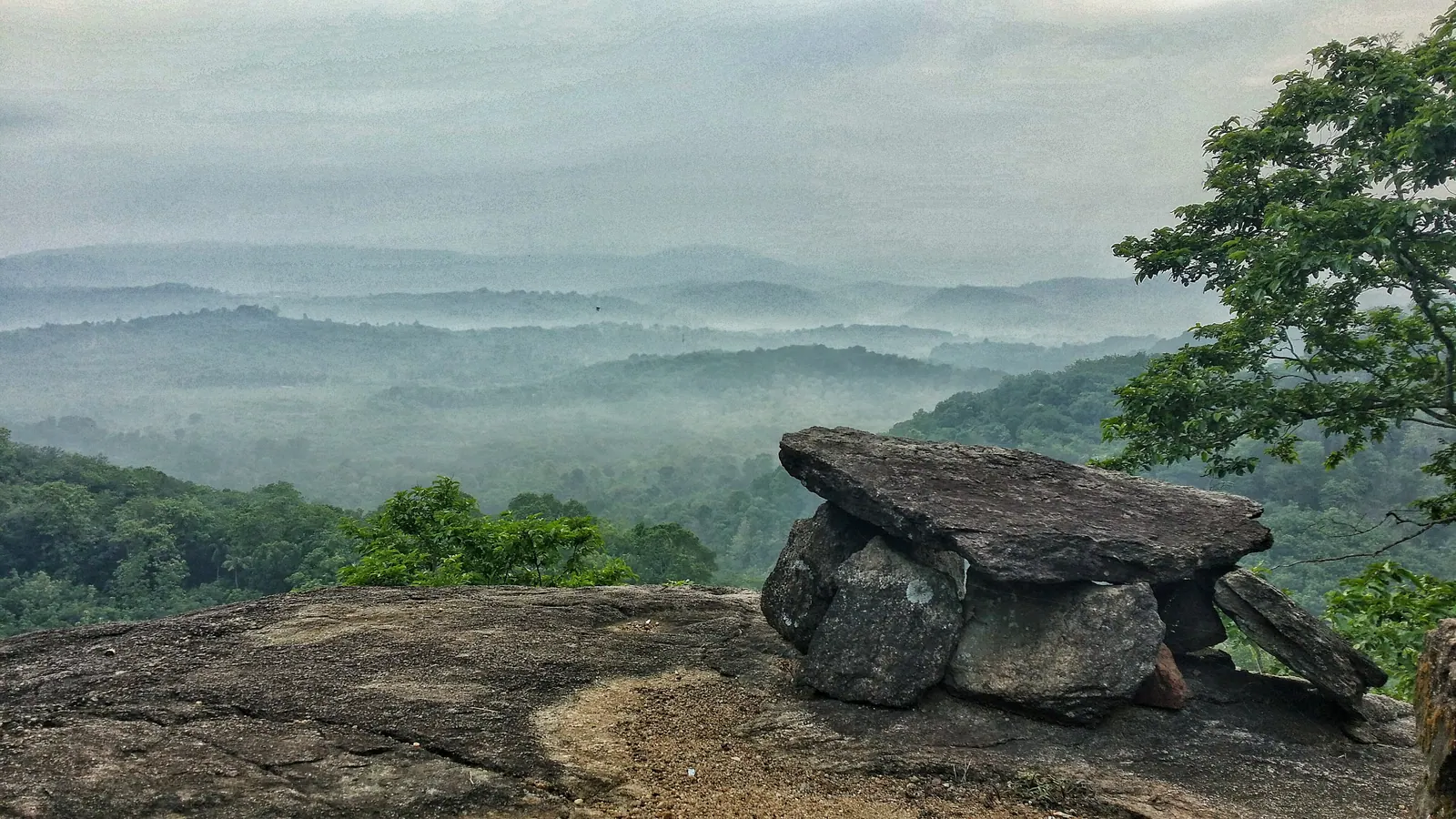
Konni is a small town in Pathanamthitta district, at the edge of the forested hills that run towards the Western Ghats. For most travellers it is a name attached to elephants. The Konni elephant camp has a long history in Kerala's forest administration, and it is the reason buses stop here. But the camp is not a wildlife park, and the animals are not exhibits. It is a working facility with a complicated past, and the experience of visiting depends heavily on understanding that.
The camp grew out of the old practice of capturing and training wild elephants for forest work and temple use. Over time, the purpose shifted towards care and training, and the facility became a place where elephants are kept, looked after and used in limited ceremonial and tourism contexts. The history is not a comfortable one to flatten into a family attraction.
What you can actually see
Visitors may be able to see elephants in their enclosures or during feeding and bathing routines, depending on the day and on current rules. Access has changed over the years, and it is not guaranteed that you will be able to walk up to an animal or take a ride. Do not plan around a particular interaction. Ask at the entrance what is permitted that day, and accept the answer.
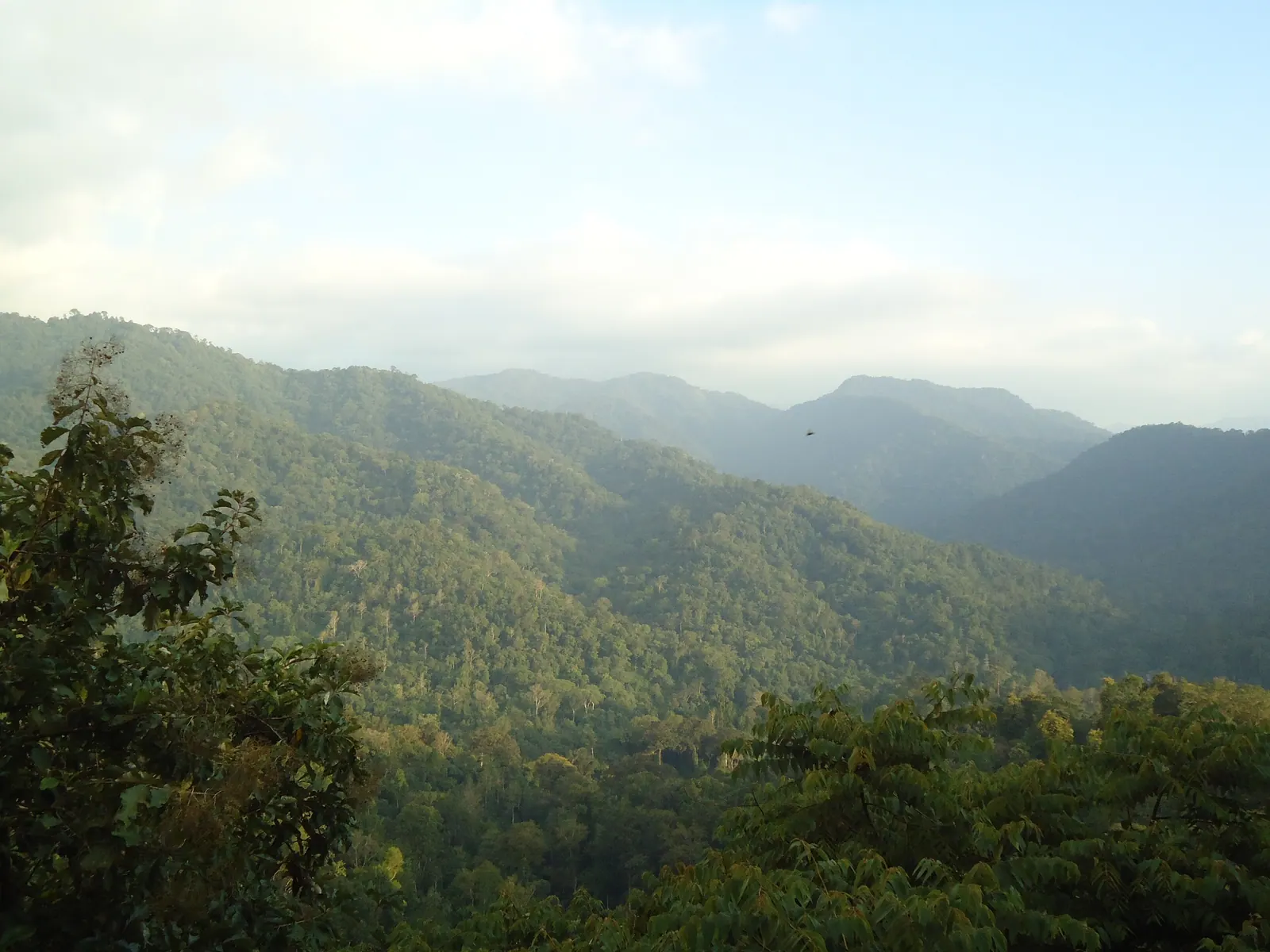
The surrounding area has more to offer than the camp alone: the Adavi eco-tourism project, forest walks, and the quiet rubber-and-spice landscape of eastern Pathanamthitta. Konni is also a useful stop on the road towards the Sabarimala route, though the pilgrimage traffic changes the character of the town in season.
- Do not feed, touch or crowd the elephants unless staff explicitly allow it.
- Keep children close and never approach an animal from behind.
- Ask before photographing handlers or animals at close range.
- Avoid any operator offering elephant rides or close encounters outside the official facility.
- Treat the camp as a place of work and care, not a photo set.
The welfare question
Captive elephants in India are the subject of a long-running welfare debate. Concerns include enclosure size, social grouping, the use of chains, and the conditions under which animals are trained or displayed. Kerala's temples and festivals also use elephants, and the rules around that use have been tightened over the years. A visitor does not need to resolve the debate to visit responsibly, but pretending it does not exist is not honest.
If you are uncomfortable with captive animals, the right response is not to visit and then complain; it is to skip the camp and spend your time in the forest instead. The nearby eco-tourism areas and the wider Western Ghats landscape offer a different kind of encounter, with the animal in charge of the distance.
If you go
Go in the morning, when the day is cool and the routine is underway. Allow an hour or two rather than a full day, and combine it with a walk or a drive in the surrounding countryside. The town itself is ordinary in the best sense: tea shops, a busy road, and forest hills on the horizon.
Konni is worth visiting if you want to understand how Kerala's forests, temples and tourism have been entangled with the elephant. It is not worth visiting if you want a guaranteed close-up. The distinction matters, and the camp is more interesting when you take it seriously.
The town is on the road between Pathanamthitta and the Sabarimala route, with bus connections from both directions and a railway station at nearby Chengannur for the wider region. If you are driving, the approach through rubber and spice country is pleasant and slow. Allow time for the detour rather than squeezing the camp into a tight schedule; the animals are not on your clock.
Sources & notes
- Kerala Tourism — official state tourism portal · checked 2026-10-22
- Wikipedia — place and history reference · checked 2026-10-22
- Kerala Forest Department — protected areas, permits and ecotourism · checked 2026-10-22
Last updated 24 October 2026. Prices, opening hours and transport should be confirmed with official sources before travel.
Hello Kerala Publisher
Hello Kerala's editorial desk.
Found an error or an outdated detail?
Tell us