Heritage
Visiting Padmanabhaswamy: dress, queues and the parts you cannot see
The temple at the centre of old Thiruvananthapuram is both a working place of worship and one of India's most famous monuments. A little preparation makes the visit calmer for everyone.
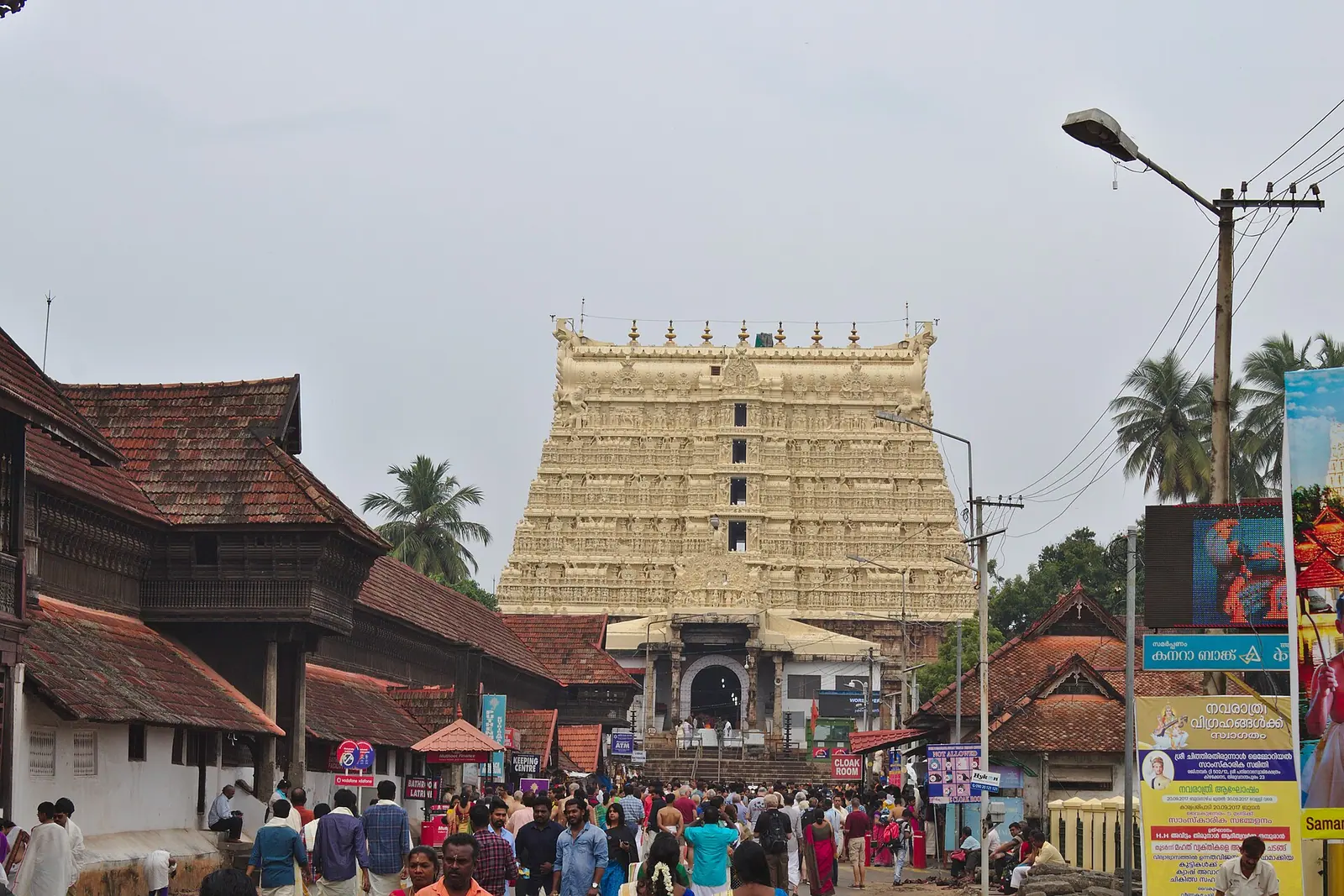
Padmanabhaswamy Temple is not a museum with a queue. It is the spiritual centre of the old city, a functioning temple with a daily ritual calendar, a strict dress code and a security regime that reflects both its importance and its fame. Visitors are welcome, but on the temple's terms. Understanding those terms before you arrive is the difference between a rushed, awkward hour and a genuinely memorable one.
What the temple is
The temple is dedicated to Vishnu, shown reclining on the serpent Anantha, and its name means the Lord of the Serpent. The present structure is a layered complex of courtyards, corridors, tanks and shrines built and rebuilt over centuries; much of what you see today dates from the eighteenth-century Travancore period, after an earlier temple was damaged by fire. The gopuram and the carved corridor pillars are the architectural set pieces, but the atmosphere comes from the ritual life going on around them.
The temple is also the reason Thiruvananthapuram exists in its present form. The Travancore royal family were its custodians, the city grew around the temple and the fort, and the palace complex next door is part of the same story. In 2011 the discovery of sealed vaults beneath the temple made international news; the contents are a matter of record and dispute, but they are not on display and should not be treated as a tourist attraction.
Rules, dress and security
The dress code is traditional and is enforced. Men are expected to wear a dhoti or mundu, usually without a shirt in the inner temple; women wear a saree or salwar kameez. Shorts, jeans, sleeveless tops and Western dresses are not acceptable. If you arrive unprepared, there are shops near the eastern entrance that hire or sell dhotis, and changing rooms. It is a practical arrangement rather than a judgment, and taking it seriously will save you a long walk back to your hotel.
- Leave phones, cameras and large bags behind if you can. Security screening is thorough and storage is limited.
- Wear footwear you can remove easily; shoes are left outside the temple precinct.
- Keep shoulders and knees covered even outside the inner area.
- Do not carry leather items into the sanctum if you can avoid it.
- Photography inside the temple is restricted; follow the signs and the instructions of staff rather than guessing.
Queues vary enormously by time of day and season. Early morning and late evening are busier for regular worshippers; the middle of the day can be quieter but also hotter. Special days, festivals and the Mandala season draw very large crowds, and the queue can become a slow, tightly packed procession. If you are not comfortable in crowds, choose an ordinary weekday and accept that you may not get close to the sanctum.
What non-Hindu visitors can see
The temple follows the traditional rule that only Hindus may enter the inner shrine. Visitors of other faiths can still see the gopuram, the outer courtyards and the temple tank, and can walk the streets around the complex. This is not a loophole to be argued with; it is the community's practice, and the right response is respect rather than disappointment. The architecture and the life of the surrounding quarter are substantial in their own right.
The temple tank, Padma Theertham, is a good place to begin or end a walk. The ghats are used for ritual bathing and for the ordinary business of a neighbourhood, and the view back towards the temple gives you the scale of the complex. Sunrise and the hour before sunset are the most comfortable times to be there.
The old city around it
East Fort is the commercial heart of the old city, a dense grid of shops, buses and temple traffic. Chalai Market runs south from it and is one of the best ordinary markets in Kerala: spices, vegetables, household goods, fabric and flower stalls, with a level of noise that is entirely functional. Kuthiramalika Palace, also called Puthenmalika, is a short walk away and displays Travancore woodwork, collections and a slice of royal history. Together they make a half-day that is more interesting than the temple alone.
Sources & notes
- Kerala Tourism — official state tourism portal · checked 2026-10-22
- Wikipedia — place and history reference · checked 2026-10-22
Last updated 24 October 2026. Prices, opening hours and transport should be confirmed with official sources before travel.
Hello Kerala Publisher
Hello Kerala's editorial desk.
Found an error or an outdated detail?
Tell us