Wildlife
Neyyar: a wildlife sanctuary, a dam and a very local day out
At the foot of the Agasthyamalai hills, Neyyar mixes a reservoir, a small zoo, boat rides and forest. It is a sanctuary in the administrative sense, and a popular family outing in the practical one.
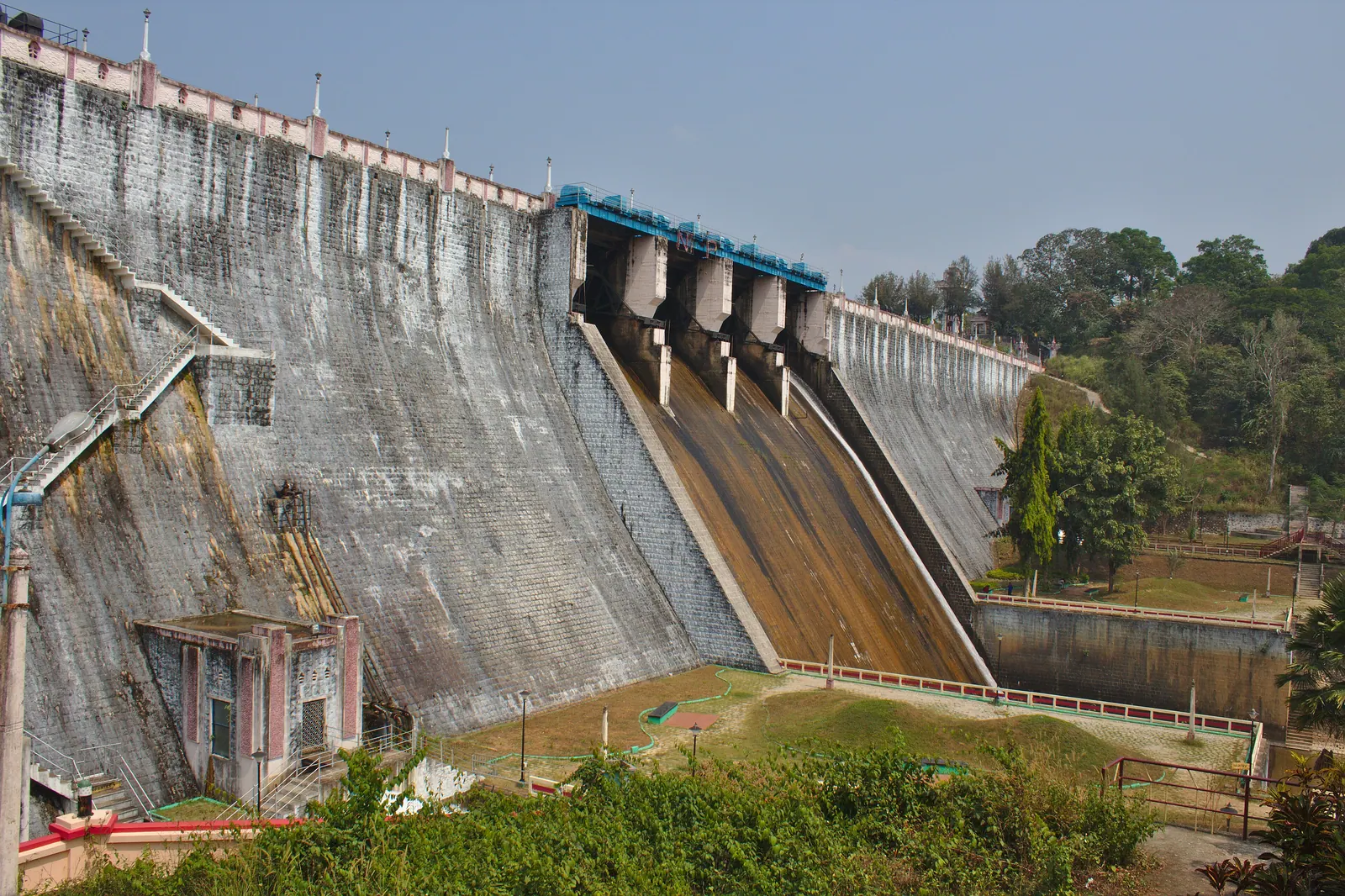
Neyyar is one of those places that means several things at once. To the Forest Department it is a wildlife sanctuary and part of the Agasthyamalai Biosphere Reserve. To the Irrigation Department it is a dam and a reservoir. To families from Thiruvananthapuram it is a weekend picnic spot with a park, a boat ride and a toy train. All of these are true, and the visit is more enjoyable if you know which one you have signed up for.
The dam and the reservoir
The Neyyar Dam sits at the western edge of the sanctuary, about thirty kilometres from the city, where the Neyyar river comes down from the hills. The reservoir is wide and green, with forested slopes on three sides, and the dam itself is a low, curved structure that you can walk across. The garden below the dam is the landscaped, family-friendly part of the site, with lawns, a small pond and the kind of concrete animals that Indian picnic spots specialise in.
The reservoir is the source of drinking water and irrigation for a large part of the district, and it is also the reason the forest around it has been protected. That protection is not the same as wilderness: the area around the dam is heavily visited, and the wildlife you are most likely to see is the birdlife on the water and the monkeys along the road. Keep food out of sight and do not feed anything.
What is actually there
Near the dam there is a crocodile rearing centre, a deer enclosure and a small safari park, all run as part of the sanctuary's visitor infrastructure. They are modest facilities, not a modern zoo, and the animals are there for conservation and education rather than spectacle. Set your expectations accordingly. The crocodile centre in particular is worth a look for the sheer strangeness of seeing muggers and saltwater crocodiles at close range, but it is not a place to spend half a day.
The lion safari park, despite the name, is a small enclosure viewed from a vehicle or a path. It has been criticised over the years, as have many similar facilities in India. If animal welfare is important to you, ask yourself whether you want to support it before buying a ticket. The forest itself, and the reservoir, are a better use of your time.
Boat rides and the water
Boat rides on the reservoir are the most popular paid activity, and the queue can be long on weekends and public holidays. The boats are small and the trips are short; you get a different angle on the dam and the forest edge, but you should not expect to see elephants from the water. Life jackets are provided and should be worn. Services are sometimes suspended for maintenance, low water or safety reasons, so check at the counter rather than assuming.
Swimming is not allowed in the reservoir, and the banks are steep and slippery. This is a working water supply, not a leisure lake. If you want to swim, go to the coast.
Trekking and the Agasthyamalai
The sanctuary is the gateway to the Agasthyarkoodam trek, one of the most demanding and ecologically sensitive walks in Kerala. Permits are limited, the season is short and the route is controlled by the Forest Department. It is not a casual day hike: you need a guide, a permit booked in advance, proper footwear and a level of fitness that matches a long, steep climb. The peak is sacred to the local community and the rules around it are not negotiable.
Shorter forest walks and nature trails may be available depending on the season and staffing. Ask at the sanctuary office what is open on the day. Do not wander off the road on your own; this is elephant and gaur country, and the forest is not a park with a fence around every path.
A sanctuary, not a zoo
The most useful thing to understand about Neyyar is that the wildlife is not arranged for your convenience. The sanctuary protects a corridor of forest that runs up into the Agasthyamalai hills, and the animals move through it on their own schedule. A quiet walk, a good pair of binoculars and a willingness to see nothing large are the right equipment. The dam, the garden and the boat ride are the reliable pleasures; the forest is the reason they exist.
Sources & notes
- Kerala Tourism — official state tourism portal · checked 2026-10-22
- Wikipedia — place and history reference · checked 2026-10-22
- Kerala Forest Department — protected areas, permits and ecotourism · checked 2026-10-22
Last updated 24 October 2026. Prices, opening hours and transport should be confirmed with official sources before travel.
Hello Kerala Publisher
Hello Kerala's editorial desk.
Found an error or an outdated detail?
Tell us