Hill country
Munnar's tea estates: a guide that skips the photo stops
The tea landscape around Munnar is a made landscape, worked by people who live in it. A slower reading of the estates, the roads between them and the viewpoints worth the climb.
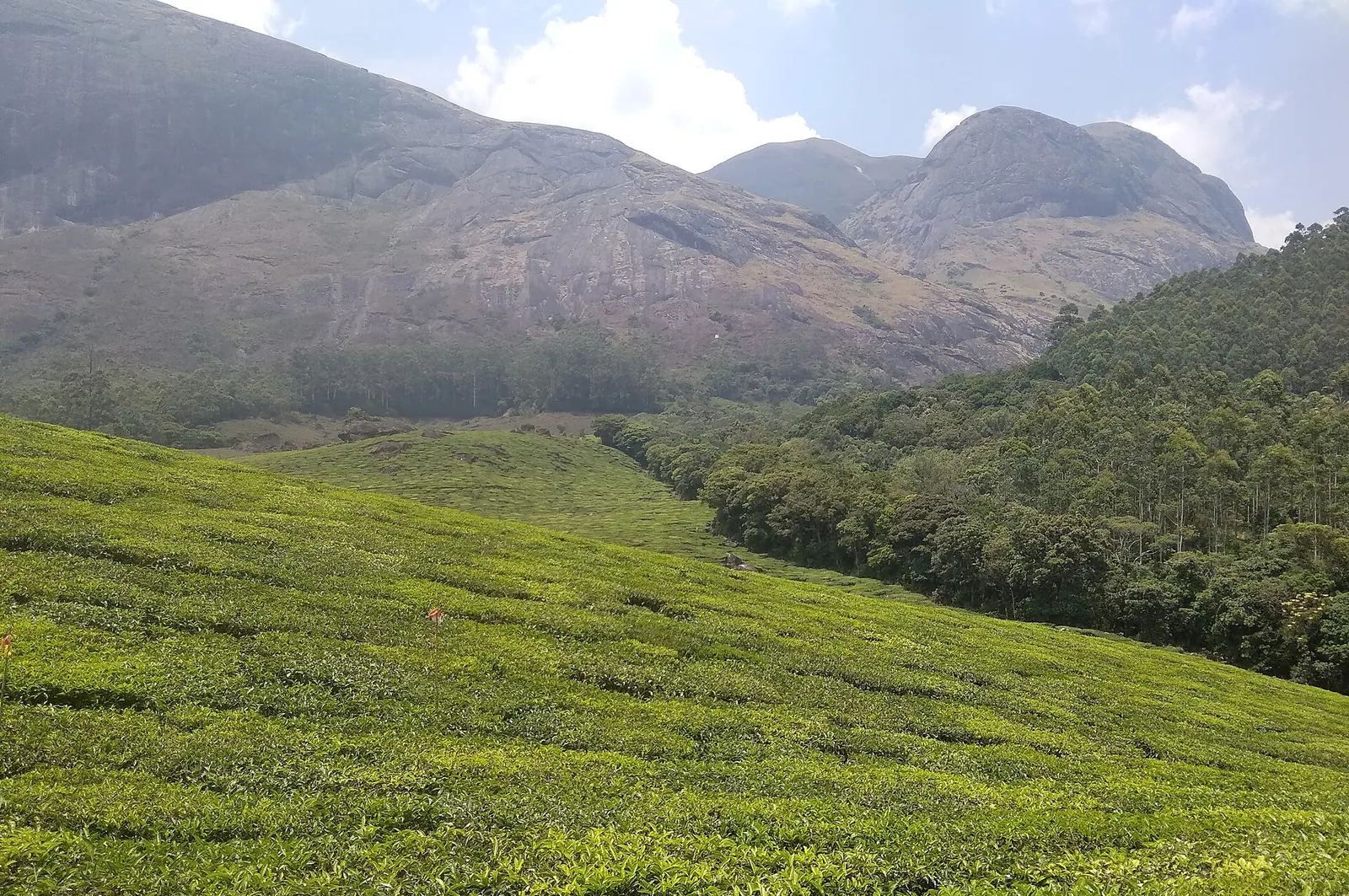
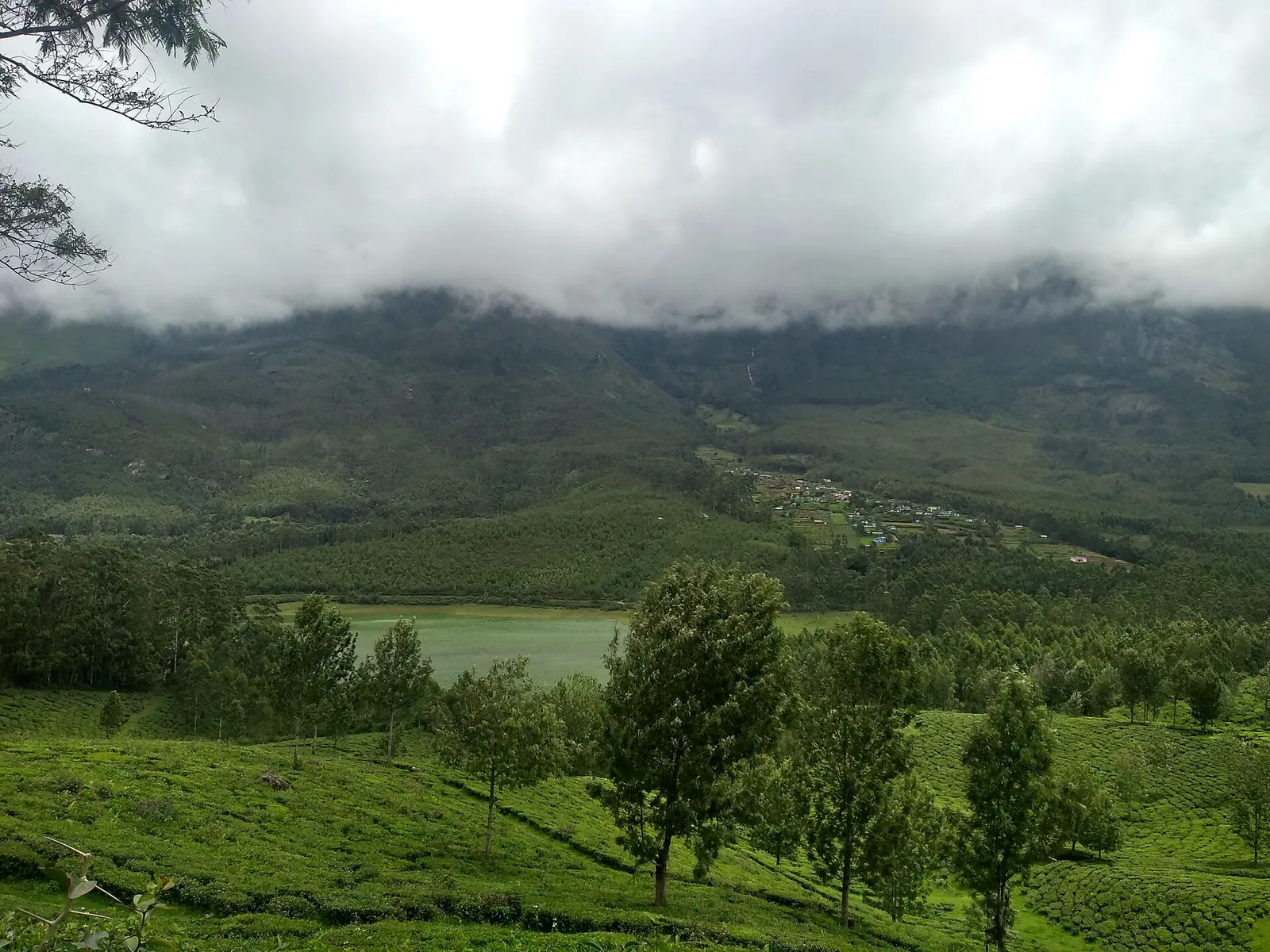
Munnar is usually sold as a collection of viewpoints. There is a queue for the sunrise, a car park for the waterfall, a selfie point where the road bends. The tea itself is treated as scenery — a green backdrop behind the person posing. But the estates are the reason the hills look the way they do, and understanding that changes the visit. This is not untouched wilderness. It is a working agricultural landscape, planted in the late nineteenth and early twentieth centuries and worked ever since.
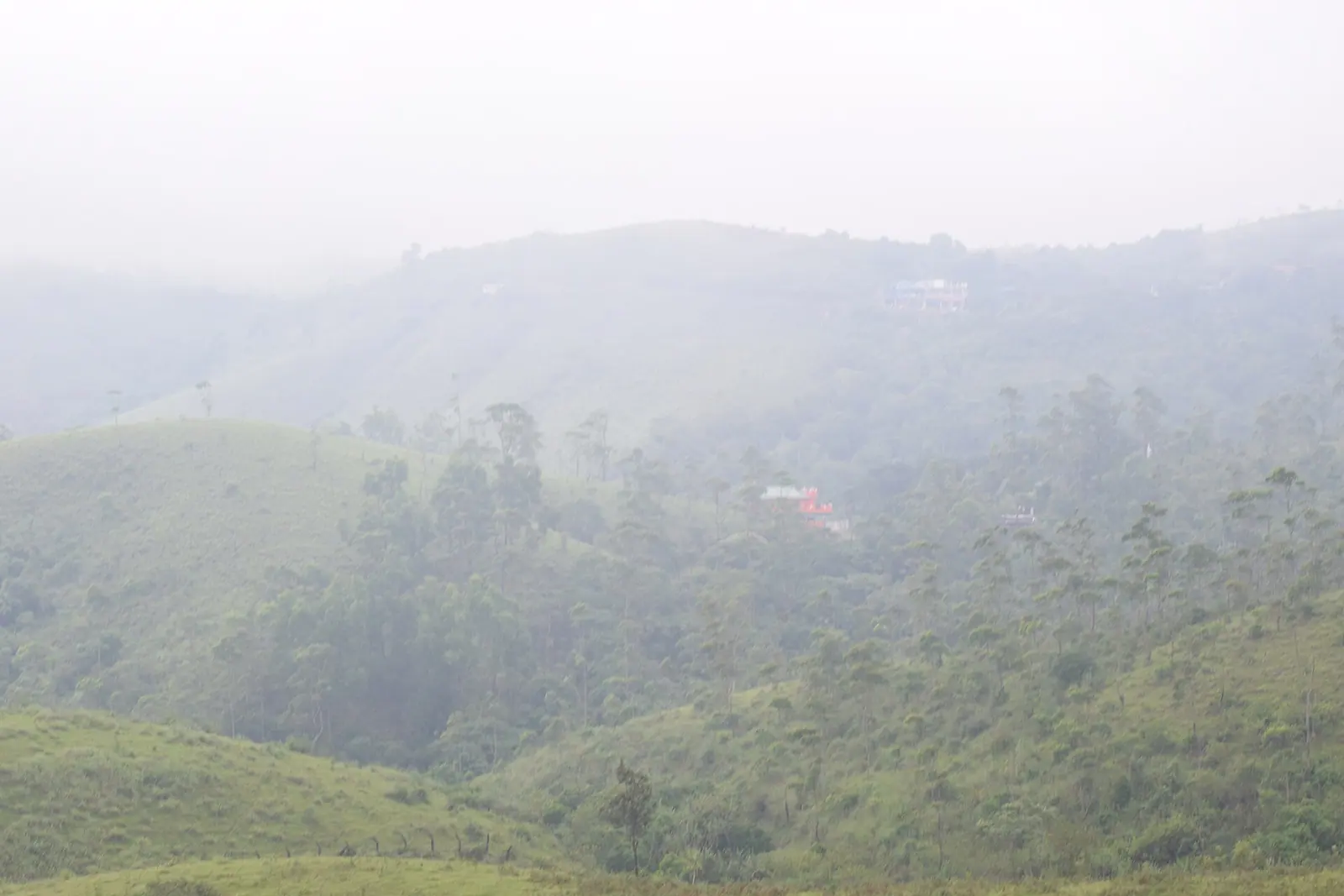
The British planters who opened the High Range found a high, wet, forested plateau and set about clearing it for tea. The result is the close-cropped, contoured surface you see today, interrupted by shade trees, rocky outcrops, reservoirs and the small settlements where estate workers live. The romantic version of the story leaves out the labour, the land transfer and the hard conditions of the early plantations. A good visit holds both ideas at once: the landscape is beautiful, and it was made.
Read the road, not the signboard
Most of the famous stops sit on the main Munnar–Mattupetty–Top Station road, and on the road towards Munnar's tea museum. They are popular because they are easy, not because they are the best. The more interesting driving is on the estate roads that branch off the highway: narrow, often single-lane, climbing through tea and shola to a ridge with no name on the map. These roads are not a public right of way in the way a highway is. Some are private, some are used by estate vehicles, and some are closed after heavy rain.
- Ask at your accommodation which estate roads are currently open to visitors, and do not drive past a closed barrier.
- Go early. The light is better, the mist is still in the valleys and the tour buses have not arrived.
- Pull over only where there is a real passing place; estate roads are working roads, not lay-bys.
- Do not walk into tea bushes to take a photograph. The bushes are a crop, and the pickers are at work.
- Carry a layer. Munnar is cool by Kerala standards and cold after rain, especially at dawn.
The viewpoints that earn their name
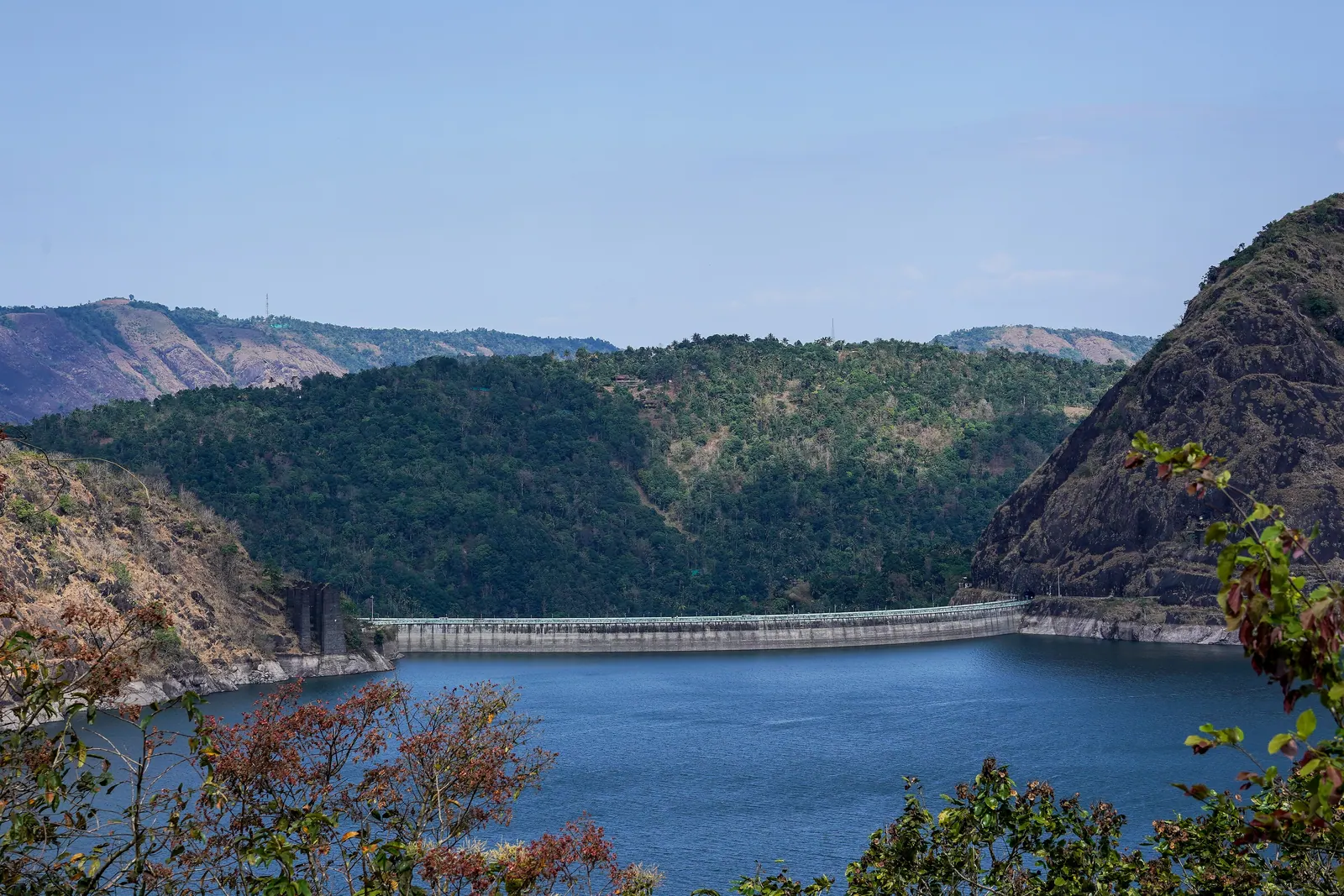
Top Station, on the old road towards the Tamil Nadu border, has the widest view and the most reliable sense of altitude. It is also the most crowded, and the last stretch can be slow. Echo Point is a smaller stop on the same road, useful for a short walk and a cup of tea rather than a long stay. Mattupetty Dam is a reservoir with a garden and boat jetty; it is a family outing rather than a wilderness experience, and there is nothing wrong with that if you know what you are getting.
The tea museum on the Kochi road explains the processing side: withering, rolling, fermentation, drying and sorting. It is a useful hour, especially in rain, and it makes the terraces outside legible. For the older working estate at Kolukkumalai, further east, you need a separate plan and usually a jeep; that trip is covered in its own guide.
A walk instead of a checklist
The best half-day in Munnar may not involve a car at all. Pick a base outside the town centre, find a quiet road that runs between estates, and walk for an hour in each direction. You will pass workers coming off a shift, small shops selling tea and biscuits, churches, temples and the occasional estate bungalow. The scale is human, and the conversation is usually easier than at a viewpoint car park.
If you want a guided walk, use a local guide who can explain the tea cycle and the history rather than someone who simply drives you from stop to stop. Ask whether the route crosses private estate land and whether permission has been arranged. A walk that respects that boundary is a better experience than one that treats the plantation as a public park.
Munnar rewards a slower itinerary. Two nights lets you see the tea landscape in different light, eat in the town rather than only at a resort, and take one road that is not on the standard circuit. One night, with a checklist of five stops, mostly produces photographs of other people taking photographs.
Sources & notes
- Kerala Tourism — official state tourism portal · checked 2026-10-22
- Wikipedia — place and history reference · checked 2026-10-22
Last updated 24 October 2026. Prices, opening hours and transport should be confirmed with official sources before travel.
Hello Kerala Publisher
Hello Kerala's editorial desk.
Found an error or an outdated detail?
Tell us