Coast
Kovalam's working harbour: fish, boats and the other beach
The fishing fleet at Vizhinjam works a harbour a few minutes from Kovalam's beach clubs. What happens at the morning landing, and how to watch it without getting in the way.
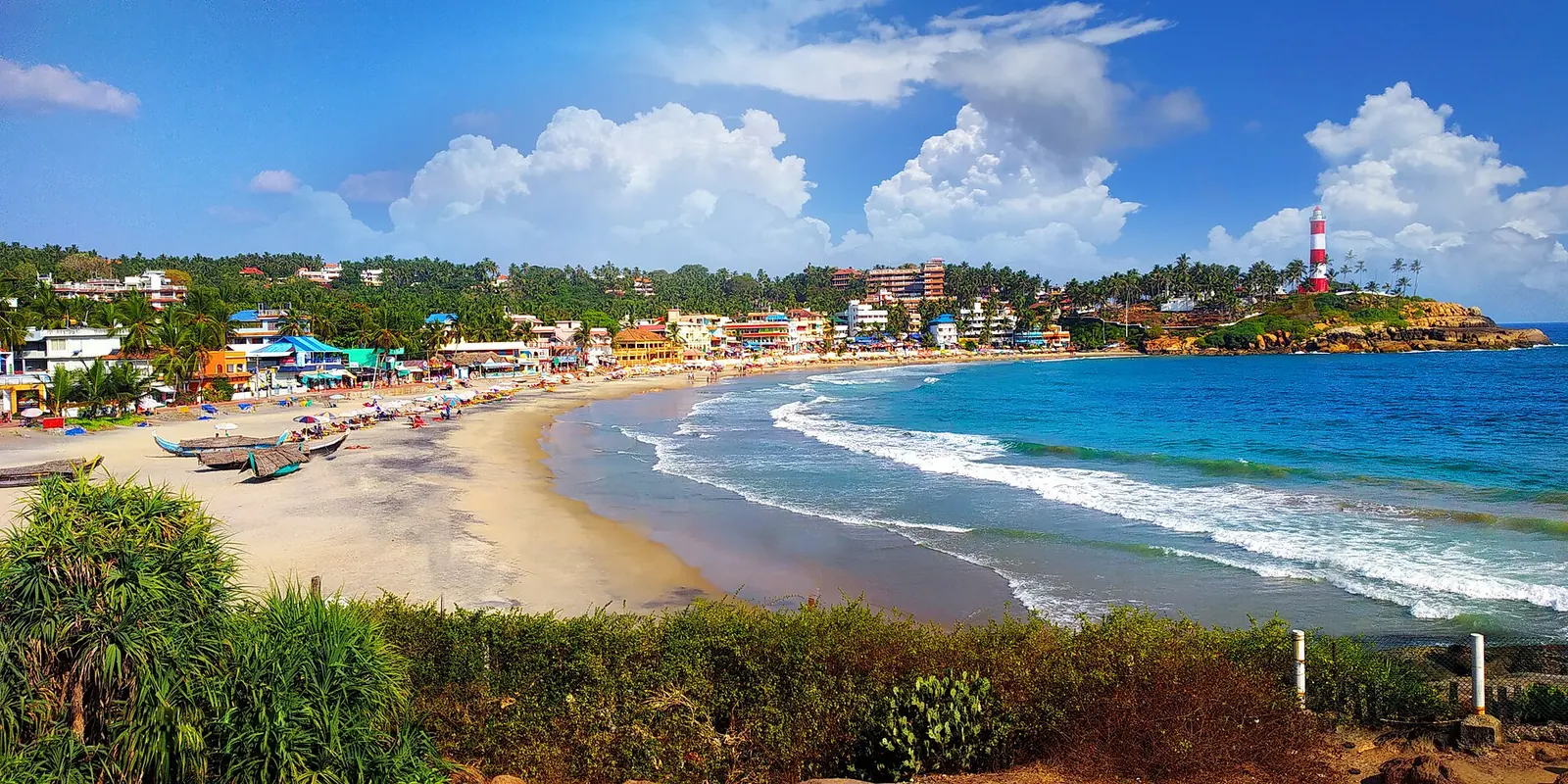
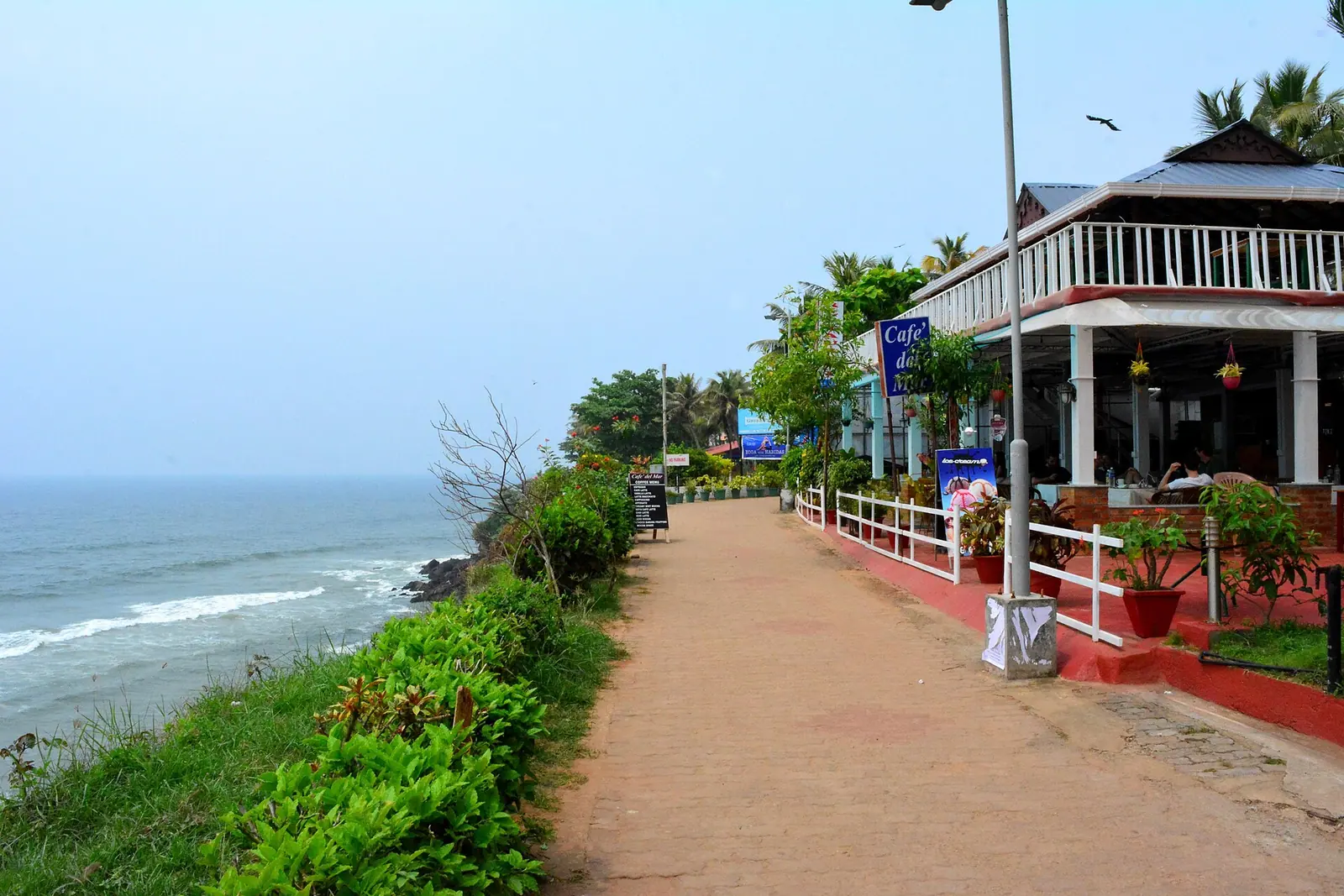
Kovalam is sold as three beaches and a lighthouse, and the cliffs behind them are lined with the machinery of a holiday: sunbeds, cafes, ayurvedic massage boards. Ten minutes south, the same water is worked for a living. Vizhinjam harbour is where the district's catch comes ashore, and it is the most interesting thing in the area that nobody puts on a poster.
The two economies sit almost touching, which is what makes the harbour worth an early start. You can watch a boat unload and be back on the sand for breakfast.
Destination in this story
BeachKovalamThiruvananthapuramTwo economies in one bay
Vizhinjam has been a port for a very long time. It appears in the early history of the Ay kingdom, was fought over by the Pandyas and the Cholas, and later served Travancore as a landing place on a coast with few natural harbours. The modern fishing harbour continues that logic: a sheltered corner where boats can come in whatever the sea is doing outside.
The resort grew on the next bay north because the swimming was good and the cliff gave shade. The two uses do not conflict so much as run on different clocks. The beach wakes late and slow; the harbour is finished with its main work while the cafes are still setting out chairs.
The morning landing
Boats come in through the early morning after a night out, and the quay becomes a market in the space of an hour. Ice is broken and shovelled, boxes are weighed, and the catch is sorted by size and kind before it leaves. Tuna, sardine, seer fish and prawns move in different directions: some to the town's fishmongers, some to ice plants, some into the hands of traders who have driven down from the city.
What makes it worth watching is that nothing is staged. Prices are argued, boxes are dragged, and the whole thing is over quickly. A visitor who stands still at the edge of the quay with a camera will be ignored for a while and then politely moved, usually by someone carrying something heavy.
What the harbour catches
The fleet is mixed. There are small fibre boats that go out for a night and come back with whatever the nets found, and larger vessels that stay out longer and land their catch in bulk. Ring-seine fishing for sardine and mackerel runs on shoals that move with the season, so the composition of the landing changes through the year.
The sea off this coast is the Arabian Sea with a continental shelf that drops away quickly, which is why deep-water species are landed here and why the boats are sturdier than the ones working inside the backwaters. The harbour also serves as the base for the district's larger port development, which has changed the road layout and the skyline around it.
Watching without getting in the way
Come early, wear shoes rather than sandals, and stay out of the path between the boats and the ice. Ask before photographing a face or a boat's crew; a nod at the catch and a question about the fish is a better introduction than a lens. Fish scales and ice make the quay slippery, and the boats are not tied for visitors to climb on.
Do not buy a single fish unless you have somewhere to cook it. The traders are working in quantities, and a tourist holding one bream is a delay rather than a customer.
Beyond the harbour wall
Walk back along the shore to the lighthouse and you have seen the district's whole argument in one morning: a working port, a resort, a fishing beach and a headland, all within a couple of kilometres. The village behind the harbour is worth a slow pass as well — boat repair, net mending and small shops that serve the crews rather than the visitors.
The rest of the day belongs to the beach. That contrast, rather than any single sight, is the reason to put the harbour on the itinerary.
Getting there
The nearest airport and railhead: Trivandrum International Airport (TRV), ~15 km · Thiruvananthapuram Central (TVC), ~16 km.
- By air: Trivandrum International Airport (TRV) is about 15 km away, roughly 30–40 minutes by taxi.
- By rail: Thiruvananthapuram Central is about 16 km away; auto-rickshaws and taxis are available at the station.
- By road: Frequent local buses run from Thiruvananthapuram city; the drive takes around 30–45 minutes depending on traffic.
Once there, Local buses and auto-rickshaws connect the beaches and town. Walking is practical along the beach road; taxis are best for airport transfers.
When to go
October to March. The sea is rough and swimming is usually unsafe during the southwest monsoon (June to September).
Tropical and humid, roughly 24–32°C. The southwest monsoon brings heavy rain from June to September; the northeast monsoon can bring short evening showers in October and November.
Most visitors give it 2–3 nights. That is the record's own recommendation, not a rule.
What to do while you are there
- Walk the three beaches and climb the lighthouse for a view over the coves
- Take a morning walk through the fishing village before the heat builds
- Book a supervised Ayurveda consultation rather than an informal massage
- Eat fish curry and appam at a local restaurant away from the beachfront strip
- Day trip to Poovar backwaters or the Padmanabhaswamy temple
Eating
Fish moilee, karimeen pollichathu, appam and stew, and fresh coconut water. Beachfront prices are higher than in the town.
Local customs and manners
Kovalam grew from a fishing village; the catamarans on the sand are working boats, not props. Ask before photographing people at work.
Access, safety and health
Limited. Sand access is difficult for wheelchairs and the lighthouse has stairs. Confirm step-free access and bathroom suitability directly with your hotel. Swim only where others are swimming and heed red flags; lifeguard cover is not guaranteed. Currents are strong near the headlands. Avoid unlit stretches after dark and agree auto fares before setting off.
Fees, hours and permits on record
Beach access is free. The lighthouse charges a small entry ticket; confirm current rates at the gate.
The beach is always open. Lighthouse visiting hours are limited and can change; check locally before climbing.
Nearby, less obviously
- Poovar backwaters and estuary
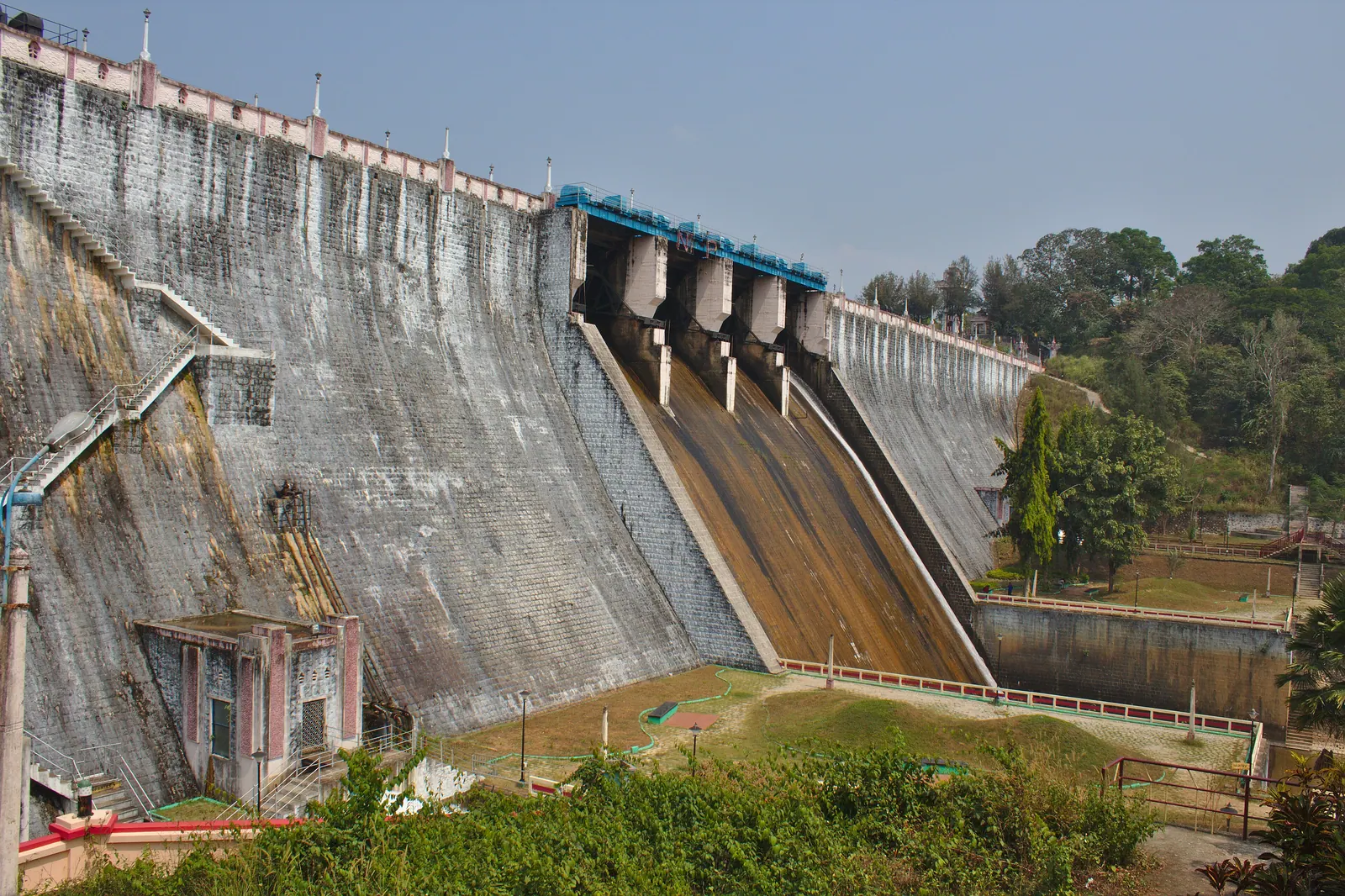
- Neyyar Dam and wildlife sanctuary
Practical notes
- Go early, before the heat and before the catch is gone.
- Wear closed shoes; the quay is slippery with ice and fish.
- Ask before photographing people, and step out of the way of loaded boxes.
- Carry water and a hat, because there is almost no shade on the quay.
- Do not try to buy a single fish unless you can cook it.
Common questions
- Is Vizhinjam harbour open to visitors? The quayside is a working area rather than a tourist site. Visitors are generally tolerated at a respectful distance, but access can be restricted without notice, and the boats and ice plant always take priority.
- How far is the harbour from Kovalam beach? About three kilometres south of Lighthouse Beach, a short auto ride or a walk along the coast road.
- When is the best time to see the catch landed? Early morning, after the night boats return. The market thins quickly once the ice trucks have loaded.
- Is Kovalam safe for swimming? It can be, but the sea is not a pool. Currents are strong near the headlands and change with the season. Follow local warnings and never swim after dark.
- How many days do I need in Kovalam? Two or three nights is enough for the beach and a day trip. Add a night if you want a slower Ayurveda programme.
The full place guideKovalamThiruvananthapuram · how to get there, when to go, what it costsSources & notes
- Kerala Tourism — official state tourism portal · checked 2026-10-22
- Wikipedia — place and history reference · checked 2026-10-22
- Indian Railways — stations and train information · checked 2026-10-22
- Kerala Tourism — Thiruvananthapuram district · checked 2026-10-22
Last updated 26 October 2026. Prices, opening hours and transport should be confirmed with official sources before travel.
Hello Kerala Publisher
Hello Kerala's editorial desk.
Found an error or an outdated detail?
Tell us