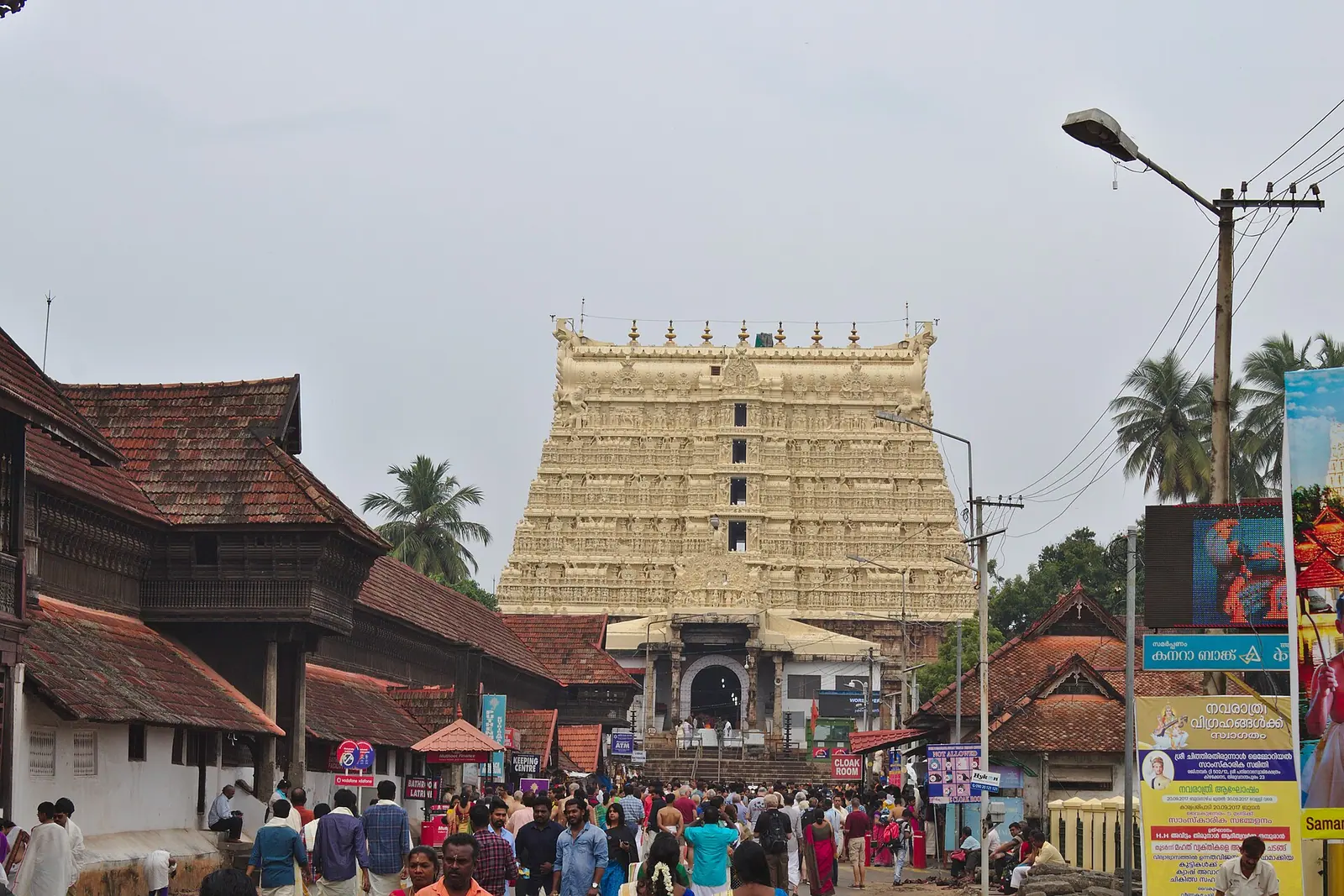
Padmanabhaswamy Temple
Thiruvananthapuram district · 8.483° N, 76.944° E
The capital's great Vishnu temple, a Dravidian landmark at the heart of the old city.
Photo: Shishirdasika / CC BY-SA 4.0 via Wikimedia Commons
Best time
November to February for cooler city days. Early morning darshan is calmer than weekends and festival periods.
Suggested stay
2–3 hours, plus the old market
Daily budget
₹1,500–₹4,000
Crowds
High · Low adventure
The guide
Why Padmanabhaswamy Temple?
The Sree Padmanabhaswamy Temple is the spiritual centre of Thiruvananthapuram — the city takes its name from the deity, Padmanabha, reclining on the serpent Anantha. The present structure is a layered complex of granite corridors, gopurams and tank steps, with worship documented over centuries and royal patronage shaping much of what visitors see today.
This is a living place of worship, not a monument with a ticket counter. Access to the inner temple follows traditional rules, dress is strictly enforced, and photography is not permitted inside. Visitors should check the current entry policy with the temple office before planning a visit, and treat the surrounding streets and the nearby East Fort market as part of the experience rather than an afterthought.
Why go
One of Kerala's most important temples and the defining monument of the capital, with remarkable architecture and an intense daily ritual life.
What makes it different
The temple's scale, its Dravidian gopuram and its continuous royal and civic role make it unlike Kerala's smaller village shrines.
Logistics
How to get there
By air
Trivandrum International Airport is about 6 km away; taxis take 20–30 minutes.
By rail
Thiruvananthapuram Central is about 1.5 km away and walkable for confident pedestrians.
By road
City buses and autos serve East Fort; the surrounding lanes are congested, so allow extra time.
Nearest airport
Trivandrum International Airport (TRV), ~6 km
Nearest railway
Thiruvananthapuram Central (TVC), ~1.5 km
Autos and city buses; the old town is best explored on foot once you arrive.
Permits & access
Entry to the inner temple is governed by temple custom. Non-Hindu visitors and visitors of all backgrounds should confirm the current policy with the temple office in advance.
What to do
Things worth doing
- 01Attend a morning darshan after checking the current entry rules
- 02Walk the East Fort market for spices, bananas and temple supplies
- 03Visit the nearby Puthen Malika and Kerala-style heritage streets
- 04Combine with the Napier Museum and Thiruvananthapuram Zoo
Keep going
Nearby, and worth the detour
Also nearby
- Attukal Bhagavathy Temple
- The Chalai bazaar lanes
These are editorial suggestions, not verified attractions. Access may be seasonal or private; ask locally before setting out.
Context
Food, custom and a few words
Custom & context
Dress codes are enforced: traditional Indian clothing is expected, and men may be required to remove their shirt within the temple. Follow instructions from staff rather than imitating other visitors.
Money
What it costs, and what we assume
Per person, per day
₹1,500–₹4,000
Indicative, not a quotation.
Per person per day, excluding travel to Kerala. Assumes a mid-range city hotel, local meals and autos. Temple entry itself is inexpensive.
- · Excludes travel to Kerala and any international flights.
- · Assumes two people sharing; solo travellers usually pay more per person.
- · Peak season, festivals and luxury stays can multiply the upper figure.
Who it suits
Families, senior travellers and access
With children
Yes for older children who can manage queues and quiet behaviour. The temple is not a sightseeing attraction for very young children.
Senior travellers
Yes, but queues, stone floors and stairs can be tiring. Ask about assisted darshan options at the office.
Accessibility
Difficult. Historic stone steps, crowded corridors and no guaranteed step-free route. Contact the temple office before visiting with a wheelchair.
Practical
Safety and weather
Read before you go
Watch your belongings in the crowded approach lanes. Leave phones and cameras outside if instructed. Avoid the area during major festival surges if you are uncomfortable in crowds.
Medical
General Hospital and private hospitals are within central Thiruvananthapuram.
Police
Fort police station serves the old town.
Hot and humid for most of the year; the granite corridors stay relatively cool. Carry water and expect rain in the monsoon months.
Questions
Practical answers
What should I wear?
Traditional Indian dress is expected. Men are often asked to wear a dhoti and remove their shirt; women typically wear a saree or salwar kameez. Check current rules before you go.
Can non-Hindu visitors enter?
Access is governed by temple custom and has changed over time. Confirm the current policy directly with the temple office rather than relying on older travel blogs.
Sources & verification
Last editorially verified: 1 October 2026. Fees, opening hours, transport and access change; confirm important details with official sources before travelling.
- Kerala Tourism — official state tourism portal · checked 2026-10-01
- Kerala Forest Department — protected areas and permits · checked 2026-10-01
- Indian Railways — station and train information · checked 2026-10-01
Editorial rating: 4.6 / 5. A major living temple. Visit with respect and verified information, not as a photo stop. No visitor reviews are published for this destination yet, so no visitor rating is shown.
Next
Keep the route going.
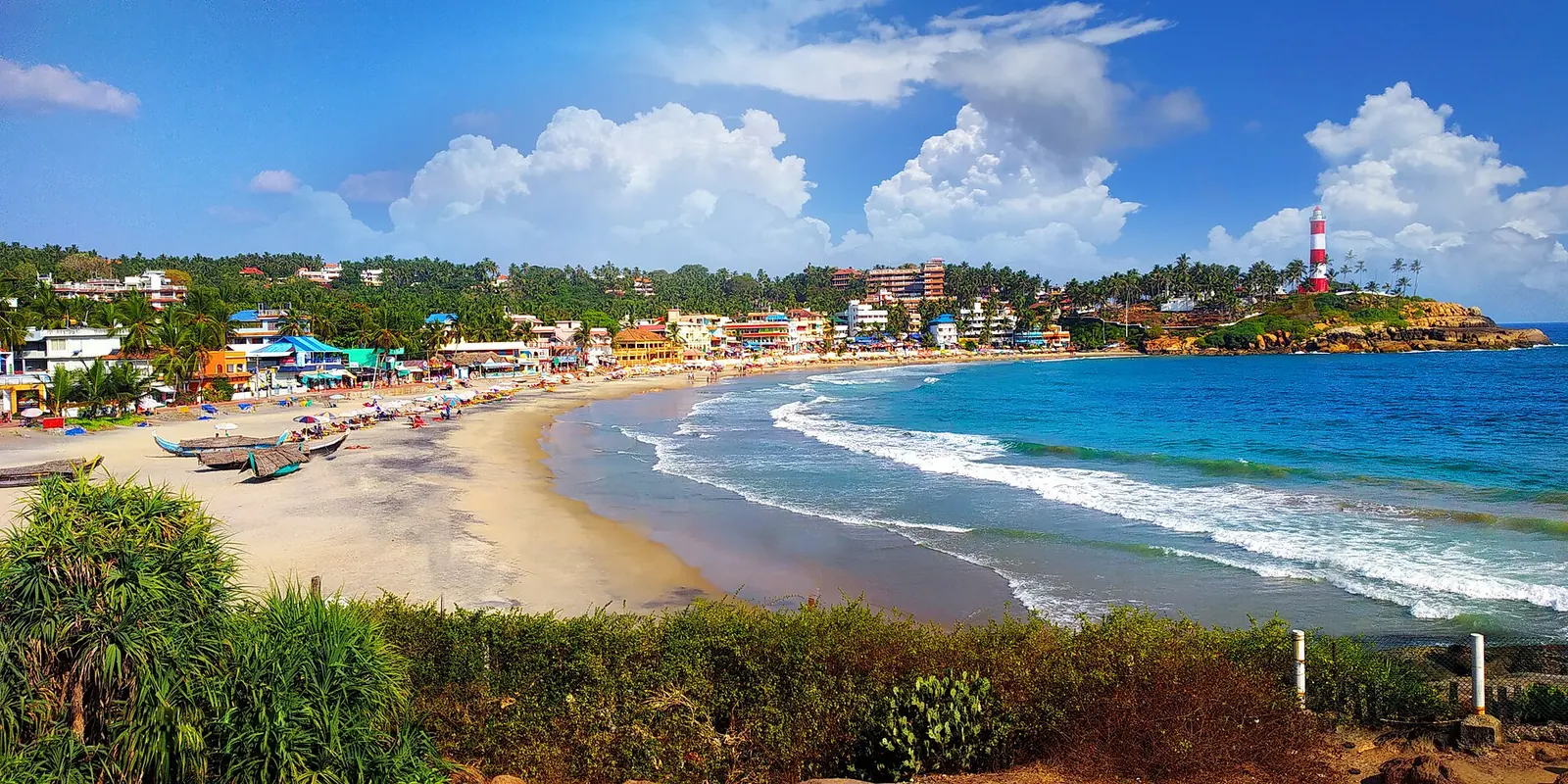
Kovalam
Kovalam's three crescent beaches and the striped lighthouse are the classic Kerala introduction: calm water, ayurvedic resorts and a short drive from Thiruvananthapuram.
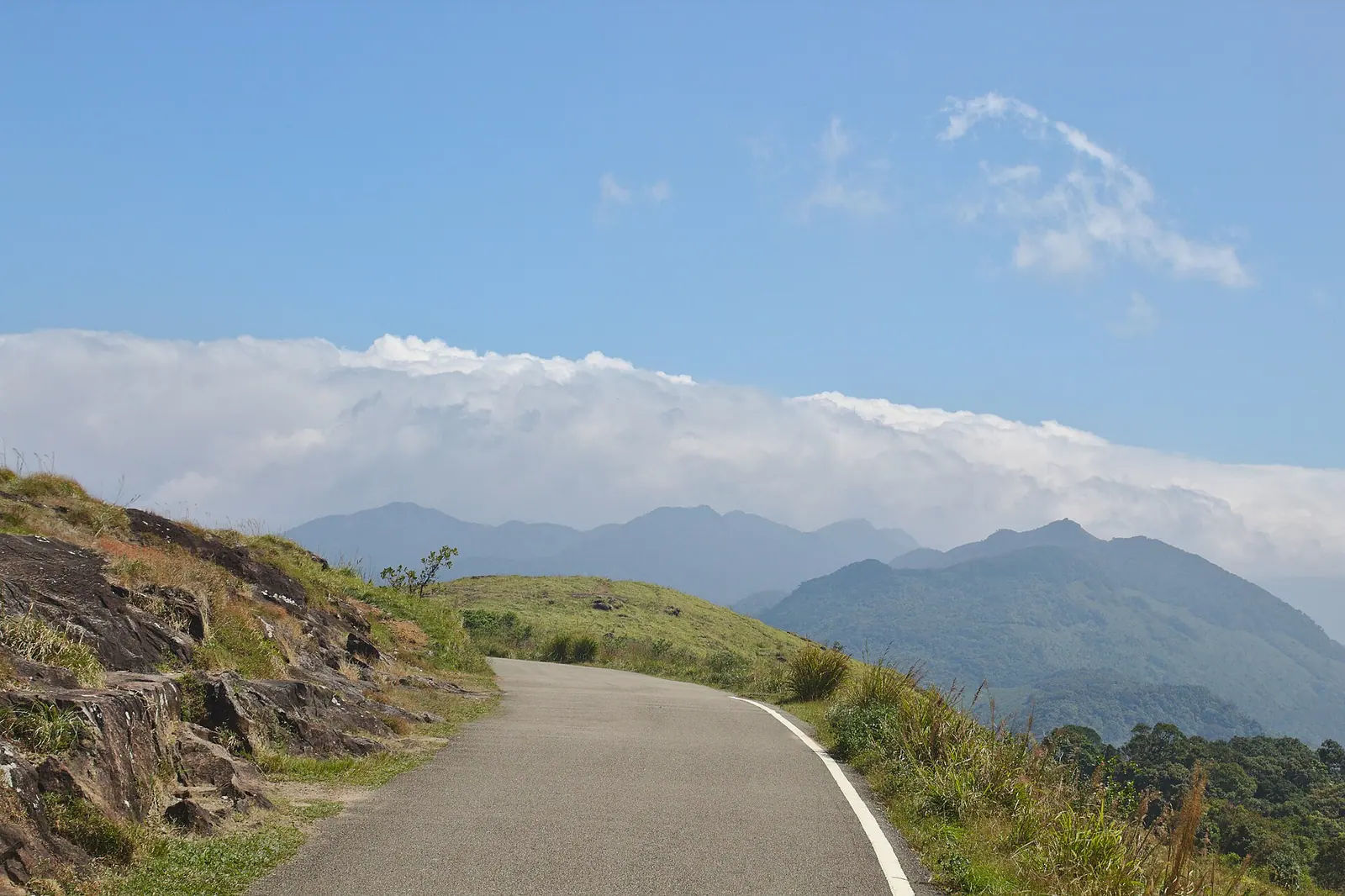 Hidden gem
Ponmudi
A cool, hairpin-bent hill escape an hour and a half from the capital, with tea gardens and forest views.
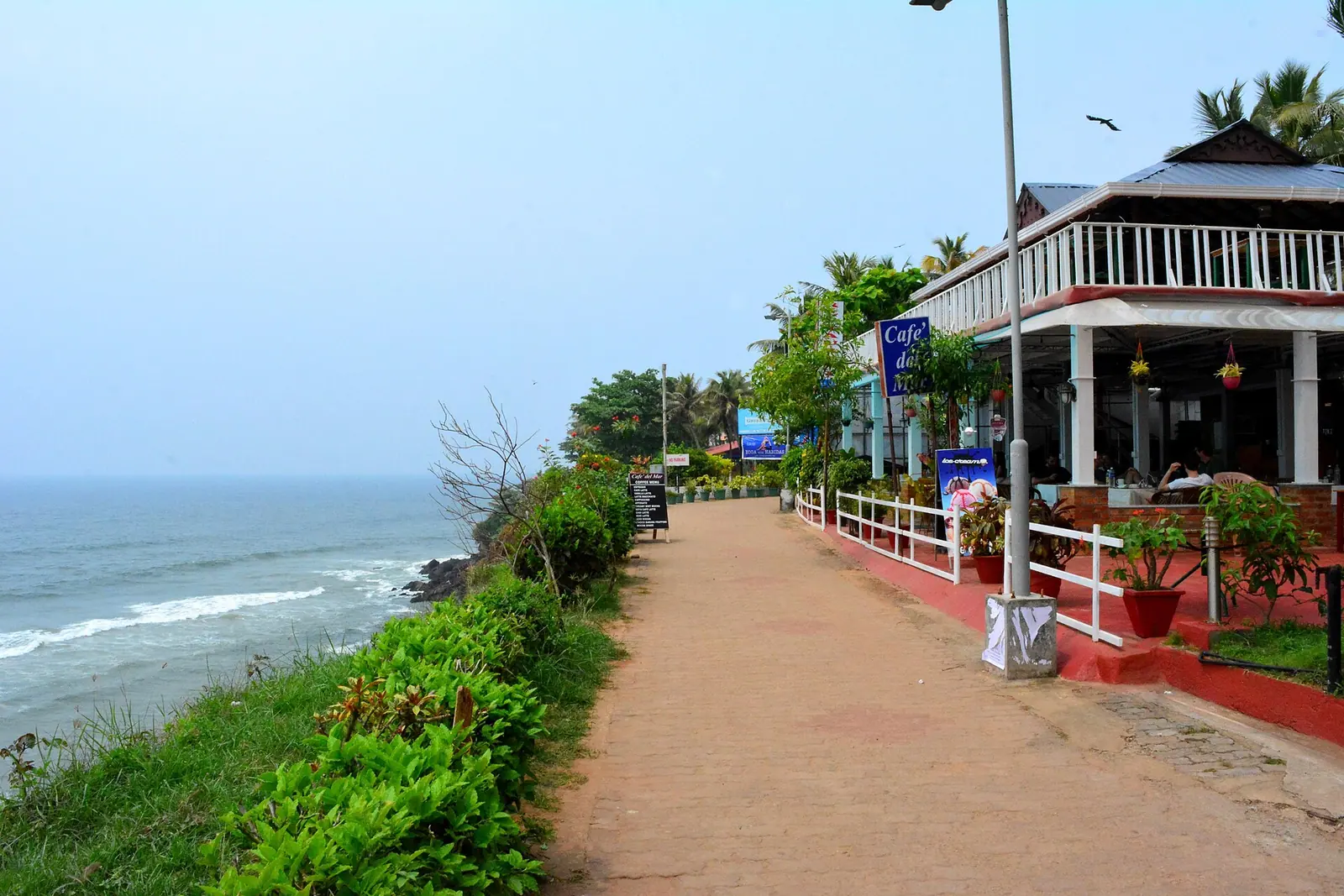
Varkala
A red laterite cliff above the Arabian Sea, with a temple town, surf and a long sunset.